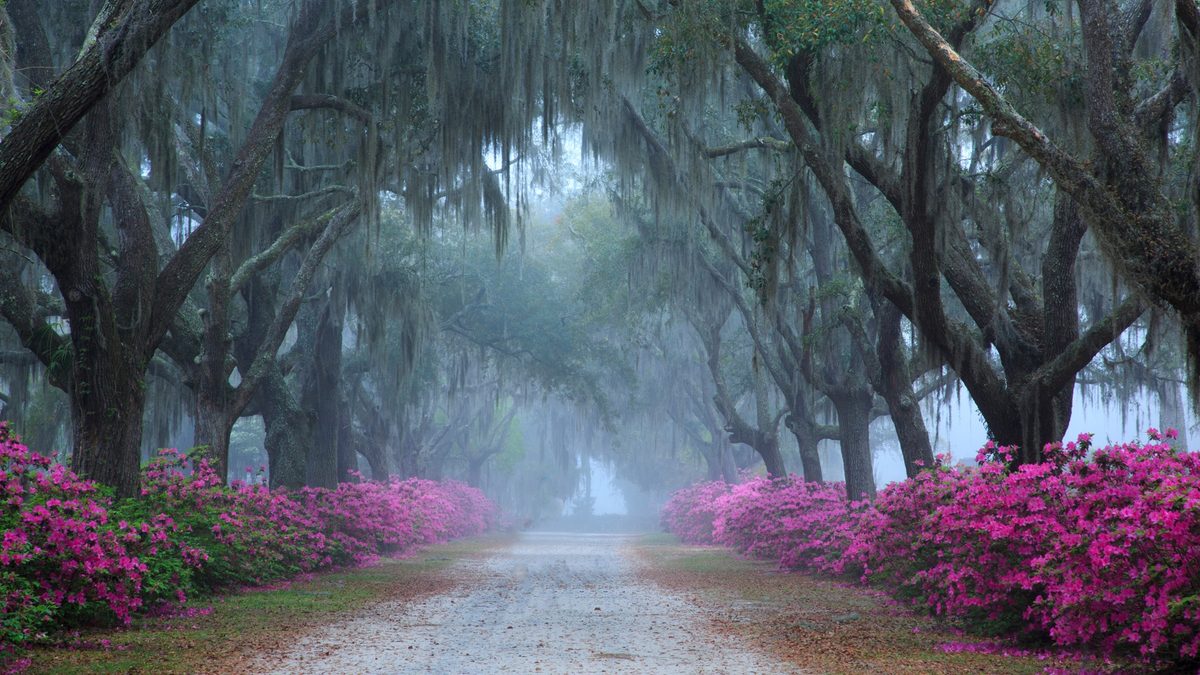
The first thing you notice is the hush. Even the Wilmington River seems to lower its voice as it slides past the bluff, a silver thread pulled taut by the tide. Spanish moss leans in, curious. Live oaks hold court along the avenues, their limbs soft with green whiskers that filter the light into something gentle. At the gates of Bonaventure Cemetery, you step onto sandy paths and into a story Savannah has been telling for more than a century. This is where the city keeps its secrets close, and on a guided stroll with a Master Storyteller from Bonaventure Cemetery Tours ®, those secrets step forward and introduce themselves.
This is not a haunted-house romp. It’s a two-hour immersion in Southern memory, guided by people who treat every statue and inscription as a living voice. You’ll start at the Bonaventure Cemetery Tours Welcome Center & Gift Shop at 415-B Bonaventure Road in Thunderbolt, just minutes from Savannah’s Historic District, where the river’s brackish breath drifts in from the marsh. Routes wind through sections shaded by towering oaks, past stacks of shell and sand—the coastal plain under your feet, a reminder that this bluff once stood as a lookout over a wild, tidal world. The path is mostly flat, the pace conversational, and the stories of figures like songwriter Johnny Mercer and Little Gracie Watson arrive with the snap of a well-timed lyric. It feels intimate. It feels precise.
Bonaventure began as a 1760s plantation and, by the mid-19th century, transformed into part of America’s garden cemetery movement—landscaped memorial parks that invited the living to linger. That’s the paradox that gives this place its charge: It’s a cemetery, yes, but also a public garden, a sculpture park, a library of stone. You’ll move through elaborate Victorian funerary art where symbols do the heavy lifting—lambs for innocence, broken columns for lives cut short, laurel for achievement. Your guide unpacks each piece with an economy and warmth that turns the walk into a seminar without the stiffness.
There’s a cultural current here that’s impossible to ignore. John Berendt’s Midnight in the Garden of Good and Evil introduced Bonaventure to the world, and the cemetery’s name still echoes in the book’s wake. But on this tour, the place steps out from under the novel’s shadow. You meet Pulitzer Prize-winning poet Conrad Aiken on his own terms. You pay respects to Little Gracie, whose 1889 grave carries the kind of quiet magnetism social media can’t touch. Even Johnny Mercer—writer of more than 1,500 songs, including Moon River—feels less like a reference point and more like a neighbor.
The geology holds its own subplot: a sandy marine terrace built from ancient coastlines, live oaks that thrive in salt-kissed air, and a bluff that refuses to be erased by the river’s insistence. Spanish moss—no parasite, but a bromeliad—strings the branches like sea-gray tinsel. On warm days, ospreys patrol the river and egrets stitch white commas through the marsh. If there’s a wind, it nudges you along, a companionable push.
Timing matters. Morning tours (8 a.m. or 10 a.m.) are cooler, with sunlight slipping through the canopy at a low angle that photographers love. Midday (12 p.m.) turns up the heat and the chorus of cicadas; in summer, the thick air asks you to slow down, sip water, and accept the pace of the South. Afternoon (2 p.m., seasonal) warms the stone and brings a richer light that tends to flatter white marble and textured brick. Year-round, this is a walk for sturdy shoes, a hat, and plenty of respect.
Respect is a recurring theme. This is an active cemetery and a sanctuary for families visiting loved ones. Your guide sets the tone. Voices drop when they should. Hands stay off the monuments. The river keeps time. When you step inside, you join a continuum of visitors who have wandered here for decades—Savannahians who use Bonaventure like a park, historians searching for footnotes, families in town for a weekend who just want to know what the fuss is about.
Practically speaking, the tour is approachable. It runs two hours and covers a manageable distance on well-tended paths with some roots and sand underfoot. What you need: water, insect repellent, a camera, and curiosity. Check in 15 minutes early at the Welcome Center. Tours run seven days a week at 8 a.m., 10 a.m., 12 p.m., and 2 p.m. seasonally. If you’re a planner—or if you just like having details buttoned up—book directly through the local experts at Bonaventure Cemetery Tours ® here: https://app.advcollective.com/local-experts/bonaventure-cemetery-tours-thunderbolt-georgia. Use that same page to confirm current times, accessibility notes, and weather policies.
Along the way, your guide will likely surface the small things that make this place glow: shell-studded pathways that crunch softly; camellias and azaleas that flare in spring; the way the river occasionally dares you to look away from the artistry and pay attention to the tide. You’ll hear everyday Savannah stories interleaved with famous names—the kind that keep the city human-sized. This is the practical magic of a good tour: the right detail at the right time, delivered under an oak limb that has been rehearsing its angle of light for a hundred years.
Afterward, it’s an easy hop to Thunderbolt’s waterfront for shrimp right off the boats, or back into Savannah to walk it off among the squares. The cemetery lingers, as places do when they’ve offered both beauty and clarity. You’ll carry the quiet with you. It will travel well.
If you’re coming for the first time—or returning to see what you missed—think of this experience as Savannah’s operating system. It’s not the flashiest app on the phone, but it’s the one that makes everything else run smoother. The city’s architecture, food, and music feel different when you’ve met them here first, under these oaks, with the river tugging at the edge of things. When you’re ready, start where the stories do: https://app.advcollective.com/local-experts/bonaventure-cemetery-tours-thunderbolt-georgia.