There’s a moment, twenty minutes after you leave Hoonah’s tree line, when the coast squeezes itself into a narrow fjord and the mountains step forward like sentries. The skiff rocks against a rhythm older than GPS—waves tapping, gulls curving, the diesel cough of the crew keeping time. Ahead, a pale wall of ice folds into view, blue-grey and pocked with shadows: Worthington Glacier. It does not roar; it asserts. The air smells of salt, spruce, and something metallic—the glacier’s mouth daring you to come closer.
Approaching Worthington feels like crossing two worlds. The first is coastal Southeast Alaska—tide-rimed shorelines, tidal flats that glisten like hammered tin, and the low hum of human settlement in Hoonah. The second is high country: moraine piles, meltwater braids, and compacted ice that has bulldozed these valleys for centuries. You step off the skiff onto a rocky spit, lace up boots, and the landscape narrows into a single task: get to the ice and learn what it has to offer.
Worthington Glacier sits where mountain and sea meet in a manner typical of temperate glaciers: it has the mass to gouge an alpine valley and the proximity to maritime weather to remain dynamic year to year. For adventurers, that means changeable conditions—surging melt in July, sudden slabs of wind-driven sleet in September—and views that reward attention to detail. Look closely and you’ll read the glacier’s story in stripes of dusted ash and blue ice; step back and you see how it carves the geography that supports Hoonah and its surrounding forests.
Hoonah is a Tlingit town whose cultural heartbeat runs alongside the natural rhythms of the place. Local knowledge—where to read rip currents, where to expect seals hauled out on a rock, when eagles hover above current seams—can turn a good day into a careful, respectful one. Guides who run from Hoonah bring that local insight with them; they’re as useful for route-finding over glacial moraine as they are for decoding the names and histories of nearby places.
Geologically the area is a demonstration in erosion and deposition. Worthington is a valley glacier fed by the high icefields above; meltwater threads down through anastomosing channels, carrying sediment that the glacier later redeposits at its snout. Moraine ridges and glacial tills make the approach a study in unstable footing: loose scree, wet cobbles, and braided streams that will test your waterproofing and your patience.
The draw here is the intimacy. Unlike skyscraping alpine glaciers that require weeks of approach, this one offers a compact, actionable adventure: a day that can combine a coastal cruise, wildlife watching, and a shoreline-to-ice hike. It is an excellent primer for hikers curious about glaciers—those who want to see layered blue ice and learn how to move around it safely—without committing to a multi-day mountaineering expedition.
Practicalities are simple in principle and detailed in practice. Guided trips out of Hoonah generally include a 30–90 minute boat ride, a short beach landing, and a 1–3 mile round-trip hike across variable terrain with roughly 200–800 feet of elevation change depending on where you aim to reach the ice. Expect a mix of wet cobbles, scrambling over moraine ridges, and a final, careful approach across a braided stream that leads to the glacier’s forefield. If you intend to walk onto the glacier itself, guides typically provide crampons and basic instruction; otherwise, staying on the moraines still gives excellent vantage points for photography and observation.
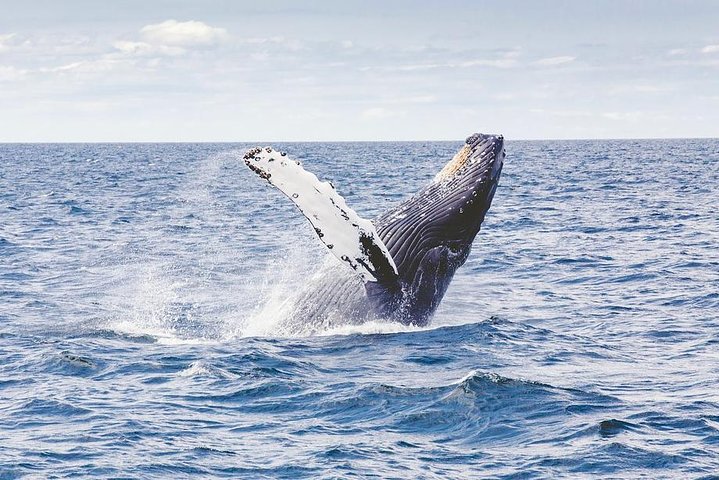
Timing is everything. Summer—June through August—offers the most reliable weather, long daylight, and the most active meltwater streams (which can make crossings dramatic). Early morning light softens the ice; late afternoon often brings the best color as low sun picks out blues in the ice and gilds the spruce. For wildlife, be patient: seals loaf near the waterline, harbor porpoises appear in the boat’s wake, and bald eagles patrol the coves. Always give wildlife wide berth and follow your guide’s lead.
Footwear, layers, and a willingness to move slowly will make the day. Boots with stiff soles and good ankle support handle the wet cobble and scree best. A waterproof shell, insulating mid-layer, sun protection, and a small first-aid kit are non-negotiable; even on a warm day, winds off glacial ice can be biting. Bring a water filter or treatable water: meltwater is plentiful but not necessarily clean. On guided trips you’ll be given orientation about the most unstable spots—the melt channels and ice-blocks—and why standing too close to a glacier terminus is asking for trouble.
This is a place where the human story threads with the natural one. The Tlingit communities in the region have oral histories and place names that predate modern mapping; those names are the original signage for a landscape that has been hunted, fished, and navigated for generations. Today’s visitors are asked to observe with humility: pack out trash, avoid disturbing cultural sites, and hire local guides when possible to return economic benefit to the community.
For the adventurer, Worthington Glacier is a condensed, readable episode of Alaska’s vast ice story: accessible, instructive, and immediate. It’s a natural classroom for anyone who wants to understand glaciers’ pace and power without committing to ropes and technical ice travel. But it’s also a reminder: ice moves, water shreds, weather turns. Respect the terrain, learn from locals, and leave it as you found it, and the glacier will reveal itself—one braided stream and one blue slab at a time.