Out Here, the Ocean Decides: A Small-Boat Whale Tour Through Icy Strait

Out Here, the Ocean Decides: A Small-Boat Whale Tour Through Icy Strait

Three hours in a catamaran where currents pull plankton — and whales — like clockwork

Continue Reading

The morning arrives like a promise: low, cool light over a black, glassy channel and a faint puff of steam from the town as locals stoke woodstoves. Hoonah is quiet before the day’s boats push off, and the harbor smells of salt and wood smoke. Stepping onto a 14-passenger catamaran with a heated cabin and a walk-around deck feels intimate in a place of fjords — small enough to hear the captain call orders, large enough to track a spout a mile away.

Icy Strait is a throat of ocean between Chichagof and Baranof islands, carved by glaciers and fed by a churn of tides that pulls plankton in like clockwork. That productivity is why humpback whales return here every summer to gorge on schooling herring and why bald eagles perch along spruce-framed shorelines like punctuation marks. Hoonah Whale Tours runs small-group outings from the town of Hoonah; three hours on the water gives you a direct line into this seasonal frenzy of life and, in good seasons, face-to-face encounters with humpbacks, orcas, sea otters, and piles of sea lions.

The trip is anchored in community: Hoonah itself is the largest Tlingit village in Alaska, and the landscape carries those human stories — canneries, cobbled docks, and clan totems that read like a map of kinship. The sea is the region’s grocery store and road, but it is also a place of ceremony and caution. Captains who grew up on these waters read currents the way others read weather; they know the funnels where whales feed and the kelp-lined shallows where otters roll.

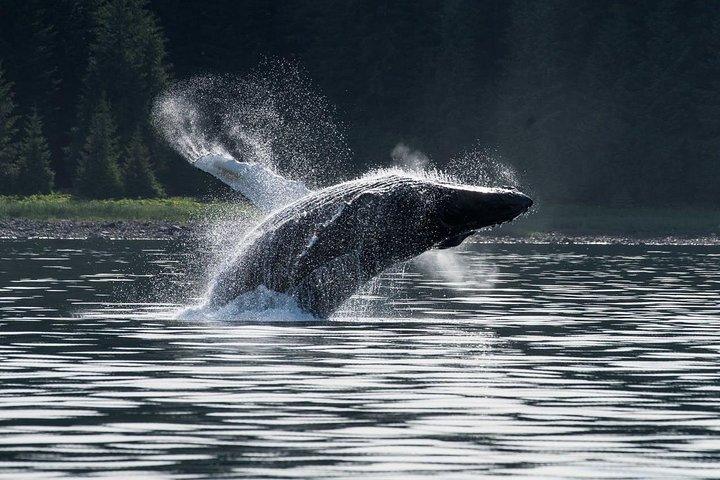
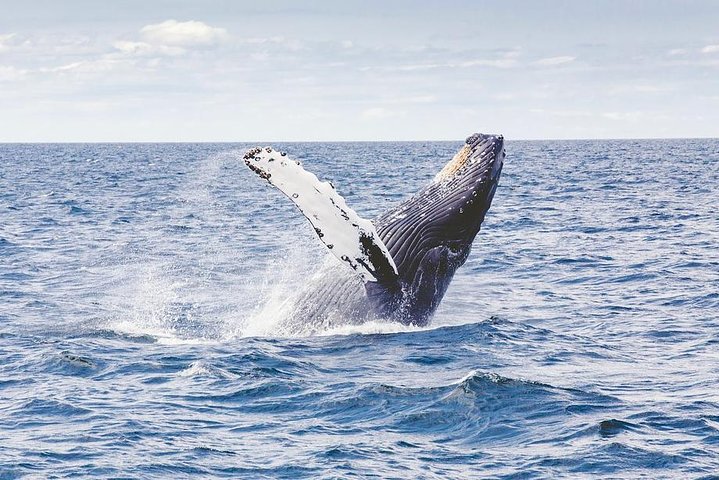
Humpback whale breeching

Geology here is a slow, honest process. Mountains rise from steep shoreline, and the fjords are evidence of glaciers that gouged deep V-shaped valleys and left behind a shelf of nutrient-rich water. The interaction of tidal flow through narrow passages concentrates nutrients and fish, and where fish gather, predators cannot be far behind. Spotting a humpback is partly luck, partly local knowledge, and partly the design of the ocean itself.

Aboard the catamaran you get the balance of comfort and connection: a warm cabin if the wind bites, a bathroom, snacks, and a ring of benches on deck. The boat feels purpose-built for accessibility — enough passengers to feel social, few enough that the animals’ behavior is not drowned by noise. Guides point out telling details: a line of gulls hovering like punctuation, a swirl of kelp indicating current breaks, a distant spray of water that is a whale’s exhale. Hoonah Whale Tours guarantees whale sightings or your money back, which speaks to the reliability of this feeding ground in the summer months.

For travelers, this is an accessible, high-return marine safari. You don’t need to be a hardened mariner to love it — just curious and prepared. Pack layers, plan for a small bit of spray, and bring binoculars and a camera with fast autofocus if you want frames you won’t delete. But also lean into the slower moments: the silence that follows a breach or the way a single otter rolls in a current like a child in a hammock. Nature here has personality — whales “decide” where to surface, eagles “inspect” a shoreline, and currents “push” you forward toward the next sighting.

Humpback whales bubble net feeding

Timing matters. Late June through August is the sweet spot: long daylight, warmest water temperatures, and the highest chance for humpback activity. September can be dramatic — fewer people, more changing weather, and shifting migrations — but expect choppy seas and colder air. The tour’s duration, about three hours, is balanced to maximize sightings without turning the day into a stiff, damp slog; you have time to scan horizons, enjoy a second cup of coffee in the cabin, and still be back on shore before evening sets.

There’s a cultural layer to the trip, too. Hoonah’s relationship with the ocean is both practical and ceremonial. Visiting responsibly means listening to guides, staying within the boat’s designated viewing zones, and keeping a respectful distance when wildlife shows signs of disturbance. Marine mammal viewing is regulated in Alaska to reduce stress on animals; operators who work with local communities often support conservation and cultural education efforts.

Practically: wear moisture-wicking base layers, an insulating midlayer, a windproof shell, and sturdy, non-slip shoes. If you’re prone to seasickness, take medication or use acupressure bands beforehand. Bring a small daypack with a thermos, binoculars, camera, charged phone, and an extra pair of gloves. The boat’s heated cabin is helpful between sightings, and there’s a restroom aboard for convenience.

This kind of trip is for anyone who wants a near-guaranteed marine wildlife encounter in a setting that feels wild rather than theme-park curated. You’ll come away with stories: the slap of a tail, the spray that smells like iron and the sea, a line of sea lions yawning on a rocky islet. You’ll also come away with an understanding of how a small coastal town and its surrounding waters support a dense web of life — and what it means to steer carefully through it.

Back onshore, Hoonah remains a small, living community — with a cultural center, boardwalks at the Icy Strait Point port, and the quiet dignity of a place balanced between subsistence and tourism. The whale tour gives you access to both spectacle and context: a marine theater and a doorway into the slower, layered human story of Southeast Alaska.

If you go, come ready to learn, to be patient, and to leave nothing behind. The whales will make the show; your job is to watch well.
Duration3–3.5 hours
Group Size1–14 Guests
LanguagesEnglish
Rating5.0 (193 reviews)
Plan your visit

Trail Wisdom

Dress in Layers

Temperatures change quickly on the water; bring a moisture-wicking base, an insulating midlayer, and a windproof shell.

Bring Motion-Sickness Aid

If you’re prone to seasickness, take preventive medication or use acupressure bands before boarding.

Pack Binoculars and a Fast Lens

A 200–400mm equivalent and binoculars increase your chance of crisp whale photos and better sightings.

Listen to the Crew

Guides know tidal funnels and animal behavior — follow their instructions for approach distances and quiet viewing.

Local Knowledge

Hidden Gems

  • Icy Strait Point boardwalk and cultural exhibits
  • Small coves where sea otters raft in numbers

Wildlife

Humpback Whale, Bald Eagle

Conservation Note

Operators adhere to NOAA marine mammal viewing guidelines and local stewardship efforts; stay at prescribed distances and avoid noise that could stress animals.

Hoonah is the largest Tlingit village in Alaska and sits on Chichagof Island; fishing and canneries shaped its 20th-century economy.

Seasonal Guide

spring

Best for:Migratory seabirds, Early herring runs
Challenges:Variable weather, Cooler water temperatures

Late spring sees returning marine life but still-cool air and choppier seas; early-season tours can be rewarding for birdwatchers and early feeders.

summer

Best for:Consistent humpback activity, Long daylight, Warmer seas
Challenges:Higher visitor numbers, Sun exposure on deck

Summer (June–August) is the most reliable time for whale feeding and calm conditions — peak season for sightings.

fall

Best for:Fewer crowds, Scenic light, Potential orca encounters
Challenges:Colder weather, Shorter days

Fall brings dramatic light and thinner crowds; expect brisk air and an increase in travel uncertainty.

winter

Best for:Storm-watching from shore, Northern light viewing on clear nights
Challenges:Most tours not running, Cold, rough seas

Winter is off-season for whale watching; operators typically pause tours due to weather and safety concerns.

Photographer's Notes

Use a fast shutter speed (1/1000s+) for breaches and tail slaps, shoot in continuous burst mode, stabilize on the rail or use a 1.4x crop to extend reach; prioritize getting the moment over perfect framing, and shield lenses from spray.

What to Bring

Waterproof Shell Jacket

Essential

Blocks wind and spray on deck while keeping you warm and dry.

Binoculars (8x–10x)

Essential

Helps you spot blows, tails, and distant behaviors before the boat gets close.

○

Telephoto Camera Lens or Fast Point-and-Shoot

A 200–400mm equivalent captures breaches and tail slaps without needing to be right beside the animal.

Motion Sickness Medication or Bands

Essential

Prevents nausea on choppy days and keeps the trip enjoyable.

Common Questions

How long is the Hoonah Whale Tours trip?

Tours last about 3–3.5 hours from departure to return, including transit time to prime viewing areas.

What wildlife can I expect to see?

Common sightings include humpback whales, bald eagles, sea otters, and Steller sea lions; orcas and brown bears are possible but not guaranteed.

Is there a guarantee I’ll see whales?

Hoonah Whale Tours offers a whale-sighting guarantee (or your money back) reflecting the high seasonal reliability of Icy Strait.

What should I wear?

Wear layered clothing, a windproof shell, warm hat and gloves, and non-slip footwear; even summer mornings can be brisk on the water.

Is the boat comfortable for kids or older travelers?

Yes — the 14-passenger catamaran has a heated cabin, restroom, and stable deck; small groups make it family- and elder-friendly.

How do I get to Hoonah?

Hoonah is accessible via short regional flights or scheduled ferries from Juneau; check seasonal schedules and plan for transfers to the dock.

What to Pack

Binoculars for spotting distant blows; waterproof shell for spray and wind; motion-sickness meds if prone; layered warm clothing for comfort

Did You Know

Hoonah is the largest Tlingit village in Alaska and sits on Chichagof Island; the nutrient-rich Icy Strait is one reason humpback whales reliably feed here each summer.

Quick Travel Tips

Book morning departures for calmer seas; bring cash or card for local purchases; expect limited cell service offshore; wear non-slip shoes for boarding

Local Flavor

After your tour, stroll the Icy Strait Point boardwalk for smoked seafood, cultural exhibits, and views of the working waterfront; Hoonah’s cultural center offers Tlingit history and seasonal events that connect the trip to local life.

Logistics Snapshot

Closest major airport: Juneau International Airport (JNU); access to Hoonah via regional floatplanes (~20–30 min) or ferry (times vary); short walk from Hoonah harbor to boat; cell service is spotty offshore; no special permits required for passenger whale-watching trips.

Sustainability Note

Follow NOAA viewing guidelines and keep distance from marine mammals; support local operators that invest in conservation and cultural programs and pack out all trash.

Topics

Included

  • Light refreshments
  • Local guide
  • Driver/guide
  • Snacks
  • Port pickup and drop-off
  • Local taxes
  • Coffee and/or Tea

Good to Know

  • Suitable for all physical fitness levels
  • Specialized infant seats are available
  • Children must be accompanied by an adult
  • Subject to favorable weather conditions. If canceled due to poor weather, you will be given a full refund