Wilderness Landscape & Natural Heritage
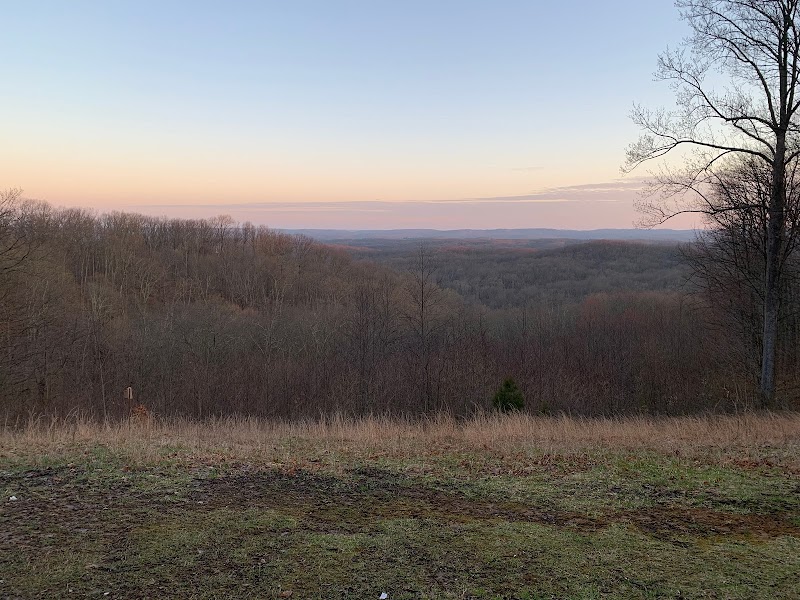
The Wabash River Heritage Corridor stretches approximately 475 miles along the Wabash River, America's longest free-flowing river east of the Mississippi, crossing parts of Indiana and Illinois. The corridor encompasses a variety of landscapes, including wetlands, floodplains, forests, and agricultural lands. The river itself provides a vital ecological corridor hosting an abundance of wildlife, such as migratory birds, freshwater mussels, and several fish species, some of which are rare or endangered. Historically, the Wabash River was a critical waterway for Native American tribes, early explorers, and trade routes, with numerous archaeological sites, historic towns, and cultural landmarks lining its banks.
Outdoor enthusiasts can experience a range of activities here, including canoeing, fishing, hiking, birdwatching, and cycling on trails adjacent to the river. The corridor features several state parks, nature preserves, and small communities offering local heritage museums and interpretive trails that celebrate the natural and cultural history of the region. Notable landmarks include the French colonial sites near Vincennes, the Wabashiki Fish and Wildlife Area known for birding, and the scenic river bluffs visible from the hiking routes. The corridor's appeal lies in its combination of outdoor recreation, historical context, and access to relatively undisturbed river ecosystems, providing visitors with opportunities for both adventure and education.