Wilderness Landscape & Natural Heritage
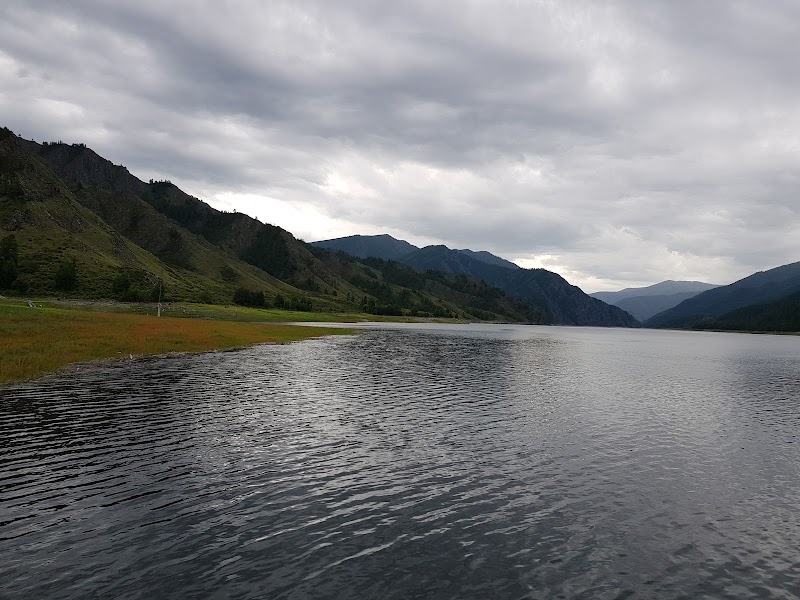
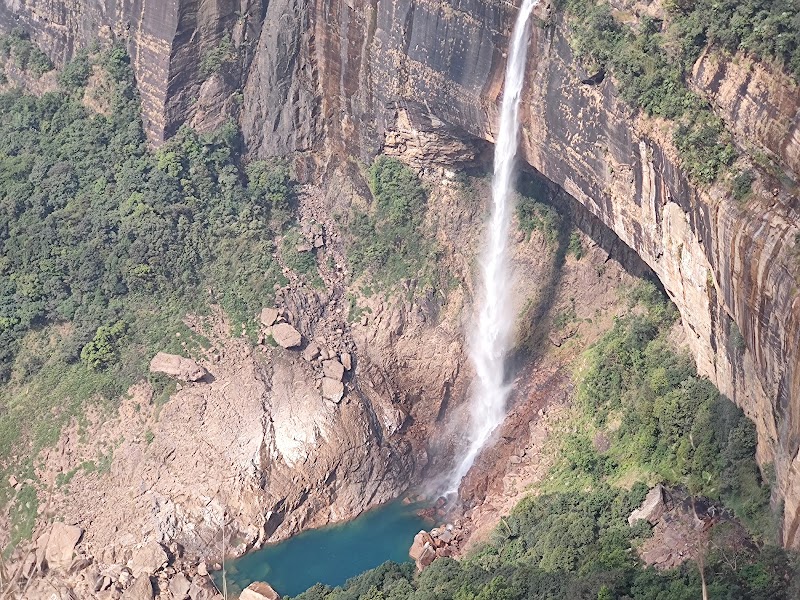
Balpakram National Park spans an area of approximately 220 square kilometers in the South Garo Hills district of Meghalaya, India. The park is characterized by its unique terrain that includes steep gorges, grasslands, forests, and river valleys formed by the Balpakram River that flows through it. The park is often referred to as the 'land of the eternal wind' due to the strong winds sweeping through its deep gorges. Ecologically, Balpakram is part of the Indo-Burma Biodiversity Hotspot and features a diverse range of flora and fauna. It houses rare and endangered species including the clouded leopard, Asian elephant, red panda, Asian golden cat, and various hornbill species. The park also supports a rich variety of orchids and medicinal plants. Balpakram holds cultural significance for the indigenous Garo people, believed to be the resting place of spirits according to local mythology. Visitors to Balpakram National Park can enjoy trekking, wildlife photography, and bird watching. Key landmarks include the natural caves, the mysterious Balpakram gorge, and viewpoints offering panoramic vistas of the surrounding hills. The park’s remote location and rugged terrain appeal to adventurous travelers seeking to experience Meghalaya’s unique biodiversity and cultural heritage. The best time to visit is from October to April when the weather is cool and dry. Limited facilities and controlled access help preserve its ecological integrity, making it an excellent destination for eco-tourism and scientific research.