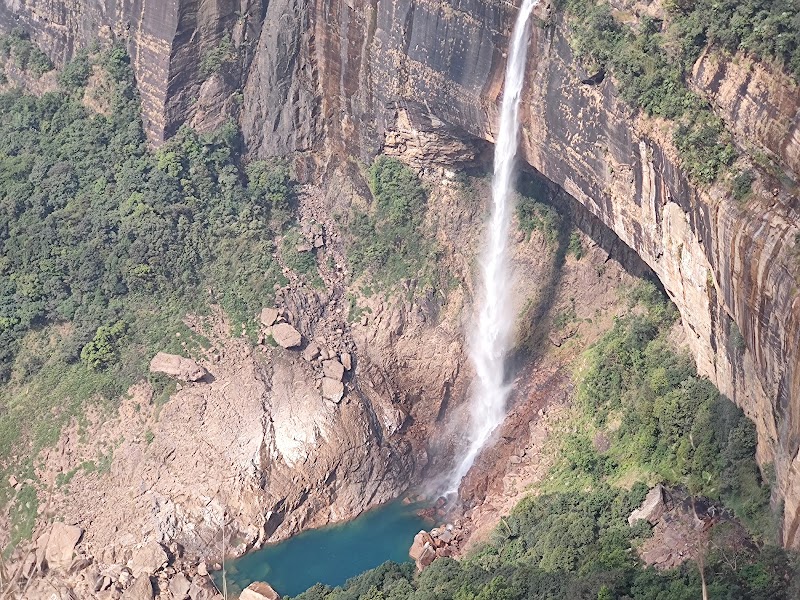
Balpakram National Park (regional) wilderness guide
National Park · Meghalaya
Nature Study Guide

Balpakram National Park (regional)

Balpakram National Park, located in Meghalaya, India, is renowned for its rich biodiversity and striking landscapes, offering abundant opportunities for wildlife viewing and nature exploration.

National Park54,3624+ Trails

Designation

National Park

Total Wilderness Area

54,362

Elevation / Terrain

Diverse Wilderness

Field Editorial Guide

About Balpakram National Park (regional)

Balpakram National Park, located in Meghalaya, India, is renowned for its rich biodiversity and striking landscapes, offering abundant opportunities for wildlife viewing and nature exploration.

Wilderness Landscape & Natural Heritage

Balpakram National Park spans an area of approximately 220 square kilometers in the South Garo Hills district of Meghalaya, India. The park is characterized by its unique terrain that includes steep gorges, grasslands, forests, and river valleys formed by the Balpakram River that flows through it. The park is often referred to as the 'land of the eternal wind' due to the strong winds sweeping through its deep gorges. Ecologically, Balpakram is part of the Indo-Burma Biodiversity Hotspot and features a diverse range of flora and fauna. It houses rare and endangered species including the clouded leopard, Asian elephant, red panda, Asian golden cat, and various hornbill species. The park also supports a rich variety of orchids and medicinal plants. Balpakram holds cultural significance for the indigenous Garo people, believed to be the resting place of spirits according to local mythology. Visitors to Balpakram National Park can enjoy trekking, wildlife photography, and bird watching. Key landmarks include the natural caves, the mysterious Balpakram gorge, and viewpoints offering panoramic vistas of the surrounding hills. The park’s remote location and rugged terrain appeal to adventurous travelers seeking to experience Meghalaya’s unique biodiversity and cultural heritage. The best time to visit is from October to April when the weather is cool and dry. Limited facilities and controlled access help preserve its ecological integrity, making it an excellent destination for eco-tourism and scientific research.
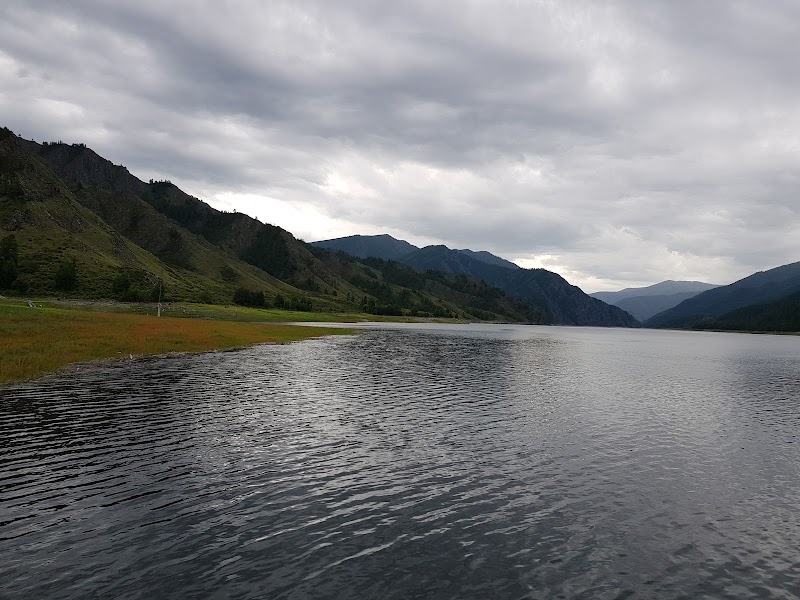
Field Guide · National Park

Notable Landscape Features

Iconic geological landmarks, alpine vantage points, and distinctive ecosystems in Balpakram National Park (regional).

Feature 1

Balpakram Gorge

A striking geological formation with deep cliffs and strong winds carving through the landscape.

Feature 2

Sacred Caves

Natural caves believed by the local Garo tribe to be abodes of spirits, integral to indigenous mythology.

Feature 3

Rare Wildlife Habitat

Home to endangered species such as the clouded leopard, Asian elephant, and red panda.

Key Wilderness Highlights

The Balpakram Gorge - a dramatic river valley with steep cliffs and strong windsRare sightings of clouded leopards and Asian golden cats in their natural habitatSacred caves that hold cultural significance to the Garo tribePanoramic viewpoints overlooking the South Garo Hills forested landscape
Iconic Trails & Natural Landmarks

Top Trails & Sights in Balpakram National Park (regional)

Discover summit paths, alpine loops, and natural wonders within this protected wilderness.

Moderate5

Balpakram Gorge Trail

A scenic hike along the gorge rim offering views of cliffs and occasional wildlife sightings.

Easy3

Sacred Caves Trek

A short trail leading to culturally significant caves used in local indigenous rituals.

Moderate7

Jatinga Forest Loop

Trail through dense forest areas known for bird watching, including hornbill sightings.

Challenging6

Balpakram Plateau Trail

Challenging trek ascending to the plateau with panoramic views of surrounding hills.

Wilderness Recreation

Outdoor Adventures in Balpakram National Park (regional)

Explore curated guides for top outdoor sports, trail networks, and wilderness activities.

Activity Spotlight

Nature Study in Balpakram National Park (regional)

View Full Park Guide

Balpakram National Park (regional) offers exceptional terrain and routes for nature study, featuring established access paths, scenic vistas, and protected wilderness territory.

Other Activities in Balpakram National Park (regional):HikingWildlife ViewingPhotographyBird WatchingCamping
The Ranger Station

Visitor Logistics & Essential Planning

Everything you need to know about entrance passes, seasons, visitor centers, road transit, and wildlife safety in Balpakram National Park (regional).

Passes & Fees

Entrance Requirements & Interagency Passes

Visitor permits required, obtainable from Meghalaya Forest Department

Wilderness Checklist

Carry paper topographic map & compass in remote zones.
Store all food and scented items in approved bear canisters.
Check wildfire / smoke advisories before backcountry departure.
Pack out everything you pack in (Leave No Trace).
Wilderness Stays

Camping & Overnight Stays in Balpakram National Park (regional)

Frontcountry developed campgrounds, backcountry wilderness permit guidelines, and starry-night camping advice.

Balpakram Camping Area

Basic campsite near the park entrance offering an immersive natural experience with limited facilities

Adventure Basecamps

Gateway Towns Near Balpakram National Park (regional)

Stay, dine, and gear up in these mountain towns and scenic desert basecamps surrounding the park.

Turan, Tuva Republic, Russia, Meghalaya
Gateway Basecamp

Turan, Tuva Republic, Russia, Meghalaya

Turan in the Tuva Republic is a remote Siberian town offering authentic outdoor adventures from hiking and horseback riding to river rafting in untamed wilderness. Discover unique steppe and mountain landscapes, traditional culture, and sparsely visited trails.

Late spring to early autumn (May to September) for hiking and paddling; winter (December to February) for skiingExplore Town