Wilderness Landscape & Natural Heritage
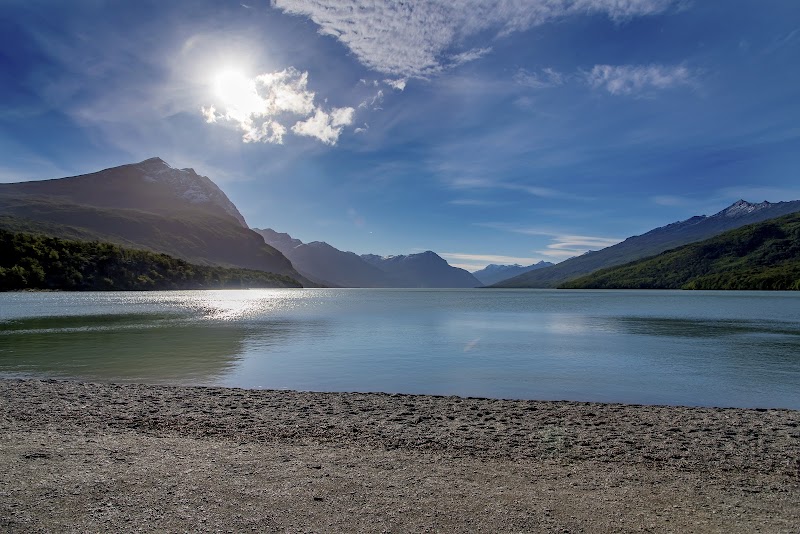
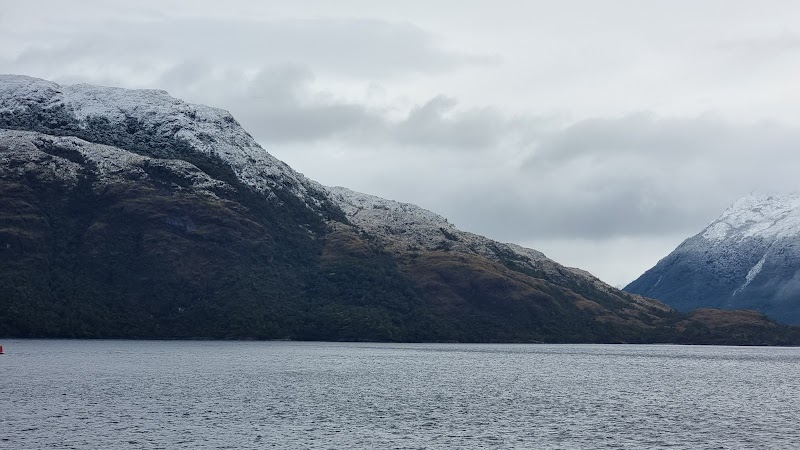
Cabo de Hornos National Park, located on the Wollaston Islands in southern Chile, protects one of the world's most iconic maritime landmarks—Cape Horn. This area marks the northern boundary of the Drake Passage and is renowned for its stormy seas and pivotal role in the history of global marine navigation. The park encompasses a mix of subantarctic forests, rugged coastlines, peat bogs, and alpine tundra characterized by native species of lenga and guindo lenga trees. Ecologically, the park supports diverse wildlife including southern sea lions, Magellanic penguins, various seabirds such as albatrosses, and the endangered Fuegian steamer duck. Its temperate rainforest climate is harsh, with strong ocean winds, high rainfall, and relatively cool temperatures year-round, creating a challenging but rewarding outdoor experience. The history of the area is marked by tales of early maritime explorers, shipwrecks, and indigenous Yaghan peoples. Recreation in the park is primarily focused on ship-based wildlife watching cruises, kayaking along sheltered bays, and limited trekking through hiking paths that require permits and expert guidance. With no roads penetrating the core of the park, access is mostly by sea or air. The park’s striking landscapes and biological richness are prized by naturalists, photographers, and adventurers seeking remote wilderness and marine life encounters. Visitor appeal lies in its status as the legendary southern 'Cape' and a gateway to Antarctica’s wild frontier.