Cabo de Hornos National Park wilderness guide
National Park · Magallanes and Chilean Antarctica Region
Wildlife Viewing Guide

Cabo de Hornos National Park

Cabo de Hornos National Park preserves the remote and rugged landscapes surrounding Cape Horn, the southernmost point of South America, offering unparalleled opportunities for wildlife viewing, maritime history exploration, and experiencing extreme subantarctic wilderness.

National Park685,9304+ Trails

Designation

National Park

Total Wilderness Area

685,930

Elevation / Terrain

Diverse Wilderness

Field Editorial Guide

About Cabo de Hornos National Park

Cabo de Hornos National Park preserves the remote and rugged landscapes surrounding Cape Horn, the southernmost point of South America, offering unparalleled opportunities for wildlife viewing, maritime history exploration, and experiencing extreme subantarctic wilderness.

Wilderness Landscape & Natural Heritage

Cabo de Hornos National Park, located on the Wollaston Islands in southern Chile, protects one of the world's most iconic maritime landmarks—Cape Horn. This area marks the northern boundary of the Drake Passage and is renowned for its stormy seas and pivotal role in the history of global marine navigation. The park encompasses a mix of subantarctic forests, rugged coastlines, peat bogs, and alpine tundra characterized by native species of lenga and guindo lenga trees. Ecologically, the park supports diverse wildlife including southern sea lions, Magellanic penguins, various seabirds such as albatrosses, and the endangered Fuegian steamer duck. Its temperate rainforest climate is harsh, with strong ocean winds, high rainfall, and relatively cool temperatures year-round, creating a challenging but rewarding outdoor experience. The history of the area is marked by tales of early maritime explorers, shipwrecks, and indigenous Yaghan peoples. Recreation in the park is primarily focused on ship-based wildlife watching cruises, kayaking along sheltered bays, and limited trekking through hiking paths that require permits and expert guidance. With no roads penetrating the core of the park, access is mostly by sea or air. The park’s striking landscapes and biological richness are prized by naturalists, photographers, and adventurers seeking remote wilderness and marine life encounters. Visitor appeal lies in its status as the legendary southern 'Cape' and a gateway to Antarctica’s wild frontier.
Field Guide · National Park

Notable Landscape Features

Iconic geological landmarks, alpine vantage points, and distinctive ecosystems in Cabo de Hornos National Park.

Feature 1

Cape Horn Lighthouse

A historic lighthouse marking the southernmost tip of South America, built in 1911, serving as a symbol of maritime navigation.

Feature 2

Wollaston Islands

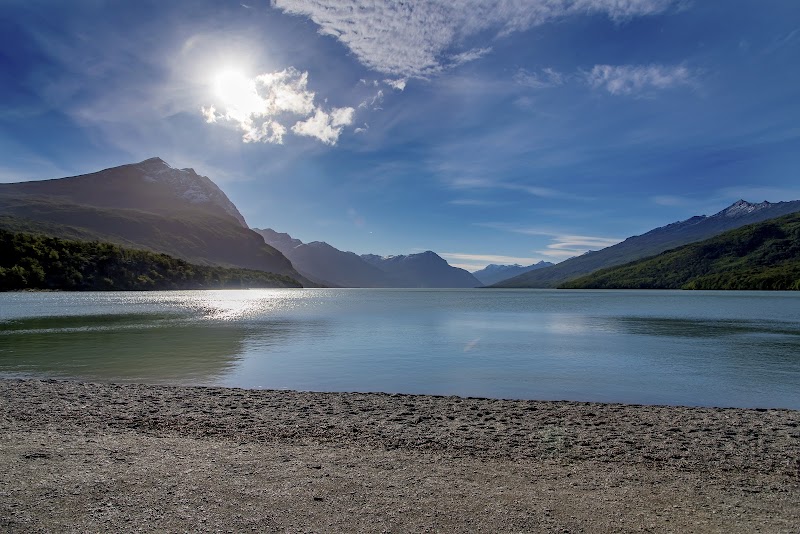
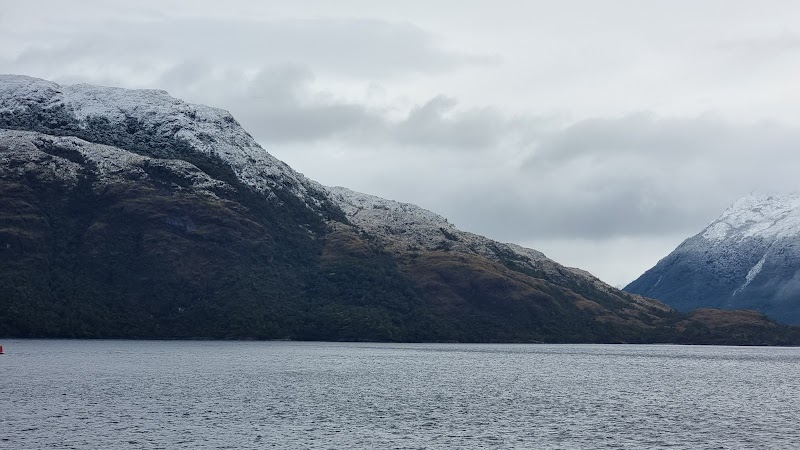
Archipelago containing dense subantarctic forests, peat bogs, and rugged mountainous terrain within the park.

Feature 3

Magellanic Penguin Colonies

Seasonal breeding grounds for Magellanic penguins found along coastal beaches within the park boundaries.

Key Wilderness Highlights

Cape Horn Monument and Lighthouse – Iconic maritime landmark and navigational aidDiverse seabird colonies including albatross and petrelsSubantarctic forest ecosystem dominated by lenga and coigüe treesRemote kayaking routes through sheltered channels and fjords
Iconic Trails & Natural Landmarks

Top Trails & Sights in Cabo de Hornos National Park

Discover summit paths, alpine loops, and natural wonders within this protected wilderness.

Moderate3.5

Wulaia Bay Trail

A scenic trek through subantarctic forests leading to historic Yaghan archaeological sites.

Easy1.2

Cape Horn Summit Trail

Short hike up to the iconic Cape Horn lookout offering panoramic views of Drake Passage.

Easy2.0

Albatross Observation Trail

Trail passing seabird colonies, prime for birdwatching and photography.

Moderate4.0

Peat Bog Boardwalk Loop

Boardwalk trail through unique peatland ecosystems, showcasing subantarctic flora.

Wilderness Recreation

Outdoor Adventures in Cabo de Hornos National Park

Explore curated guides for top outdoor sports, trail networks, and wilderness activities.

Activity Spotlight

Wildlife Viewing in Cabo de Hornos National Park

View Full Park Guide

Cabo de Hornos National Park offers exceptional terrain and routes for wildlife viewing, featuring established access paths, scenic vistas, and protected wilderness territory.

Other Activities in Cabo de Hornos National Park:HikingKayakingPhotographyMarine Bird WatchingBoating CruisesCamping
The Ranger Station

Visitor Logistics & Essential Planning

Everything you need to know about entrance passes, seasons, visitor centers, road transit, and wildlife safety in Cabo de Hornos National Park.

Passes & Fees

Entrance Requirements & Interagency Passes

Access requires booking through authorized tour operators; permits needed for trekking and camping

Wilderness Checklist

Carry paper topographic map & compass in remote zones.
Store all food and scented items in approved bear canisters.
Check wildfire / smoke advisories before backcountry departure.
Pack out everything you pack in (Leave No Trace).
Wilderness Stays

Camping & Overnight Stays in Cabo de Hornos National Park

Frontcountry developed campgrounds, backcountry wilderness permit guidelines, and starry-night camping advice.

Bahía Wulaia Campsite

Located on Wulaia Bay, this site offers basic facilities amidst rich historical and ecological surroundings, accessible only by boat.

Cape Horn Refuge Campsite

Adjacent to the lighthouse at Cape Horn, this rustic site accommodates adventurous visitors arriving by boat.

Adventure Basecamps

Gateway Towns Near Cabo de Hornos National Park

Stay, dine, and gear up in these mountain towns and scenic desert basecamps surrounding the park.

Puerto Williams, Tierra del Fuego, Chile, Magallanes and Chilean Antarctica Region
Gateway Basecamp

Puerto Williams, Tierra del Fuego, Chile, Magallanes and Chilean Antarctica Region

Puerto Williams is the world’s southernmost town, a rugged Patagonian base for hiking, kayaking, and wildlife spotting amid fjords and glaciers. Its remote charm draws adventurers seeking authentic wilderness and the iconic Dientes de Navarino trek.

Summer (December to March)Explore Town
Punta Arenas, Magallanes Region, Magallanes and Chilean Antarctica Region
Gateway Basecamp

Punta Arenas, Magallanes Region, Magallanes and Chilean Antarctica Region

Punta Arenas is the southern Patagonian hub for adventurers eager to explore fjords, penguin colonies, and striking steppe landscapes. From hiking to kayaking and wildlife watching, it offers rugged outdoor fun and access to iconic natural wonders.

October to AprilExplore Town
Puerto Natales, Magallanes and Chilean Antarctica Region, Magallanes and Chilean Antarctica Region
Gateway Basecamp

Puerto Natales, Magallanes and Chilean Antarctica Region, Magallanes and Chilean Antarctica Region

Puerto Natales is the ultimate Patagonian adventure town serving as your gateway to Torres del Paine's epic hiking, kayaking fjords, and horseback riding wild pampas. Experience pristine wilderness, glaciers, and diverse wildlife in one of South America’s most stunning regions.

October to AprilExplore Town