Wilderness Landscape & Natural Heritage
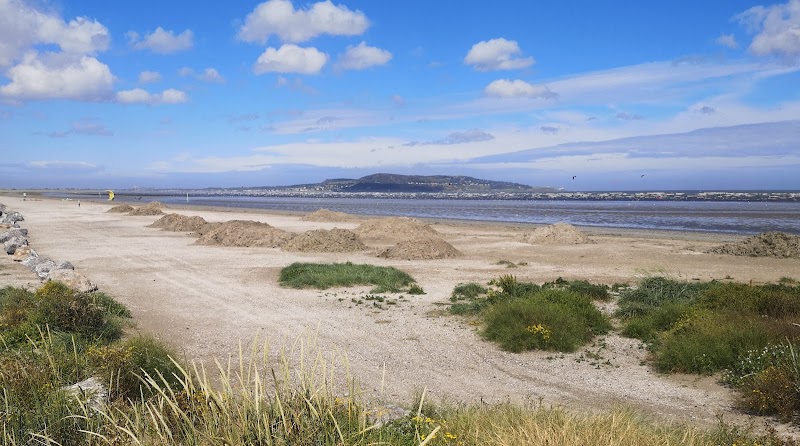
Dundalk Bay Ramsar Site encompasses approximately 8,683 hectares of coastal wetland, including estuarine mudflats, salt marshes, sand dunes, and extensive intertidal zones along the coasts of Counties Louth and Armagh in Ireland. The bay is characterized by its large sandy beaches at Blackrock, Annagassan, and Clogherhead, as well as rich tidal flats that serve as vital feeding and roosting grounds for numerous migratory waterfowl and waders. Dundalk Bay's ecology is shaped by the interconnection between freshwater inputs from rivers such as the River Fane and the tidal influence of the Irish Sea, creating a mosaic of habitats supporting diverse plant and animal communities. The site is internationally important for bird populations, especially for species like the pale-bellied brent goose, bar-tailed godwit, and redshank, attracting birdwatchers and nature enthusiasts year-round.
Historically, the bay area has supported local fishing, small-scale agriculture, and salt production in the past, contributing to its cultural heritage. Today, Dundalk Bay offers excellent outdoor recreation opportunities including birdwatching, coastal walking, and nature photography. The coastline features scenic walking routes with views across the bay and inland toward the Cooley and Mourne Mountains. Notable landmarks include the historic seaside towns of Dundalk and Carlingford nearby, which provide visitor amenities. The wetland’s diverse ecosystems foster important conservation efforts under Irish and European legislation, ensuring the protection of its unique environmental features while allowing sustainable public access.