Wilderness Landscape & Natural Heritage
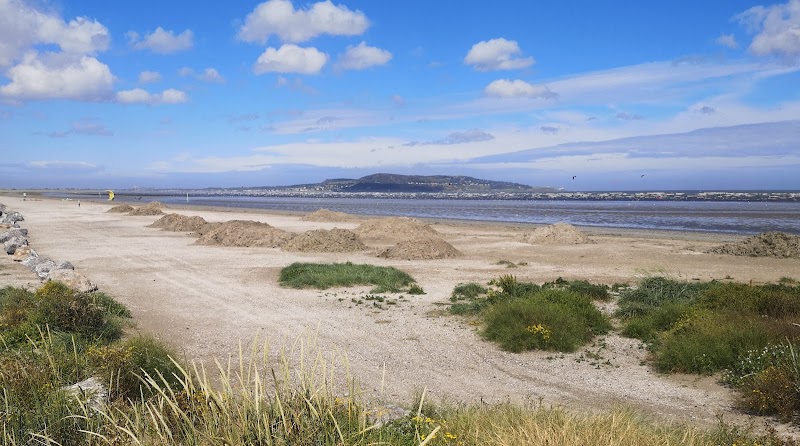
Dundalk Bay Special Protection Area (SPA) is located on the northeast coast of Ireland, along the shores of County Louth. The bay encompasses a broad estuarine system that includes large intertidal mudflats, saltmarshes, sand dunes, and rocky shorelines. This mosaic of habitats provides crucial feeding and roosting grounds for a variety of internationally important bird species, making it one of Ireland’s key sites for migratory and overwintering wildfowl and waders. The bay forms part of a wider network of protected coastal wetlands along the Irish Sea.
Ecologically, Dundalk Bay is recognized under the EU Birds Directive as a Special Protection Area due to the presence of species such as the light-bellied brent goose, red-throated diver, bar-tailed godwit, ringed plover, and golden plover. The mudflats teem with invertebrates that sustain these birds during migration and winter months. Aside from avian interest, the bay hosts a range of marine species and supports important aquatic vegetation.
Historically, the area has been used for traditional fishing and shellfishing, and its scenic coastal landscapes attract naturalists and birdwatchers year-round. While there are no formal hiking trails within the SPA boundary, nearby coastal pathways and estuary viewpoints offer excellent access for wildlife observation. Visitors appreciate the tranquil, open nature of this protected bay environment, which offers immersive encounters with Ireland’s coastal biodiversity.
Dundalk town and the Cooley Peninsula provide nearby amenities and access points. Conservation efforts focus on habitat protection, monitoring of key bird populations, and mitigating pressures from development and human disturbance to maintain the ecological integrity of this important wetland site.