The Adventure Collective Journal · Regional guide

Oregon’s North Coast

Three days of tide pools, forest paths, and sea-stack views, with Cannon Beach as home and Seaside as an accessible coastal alternative.

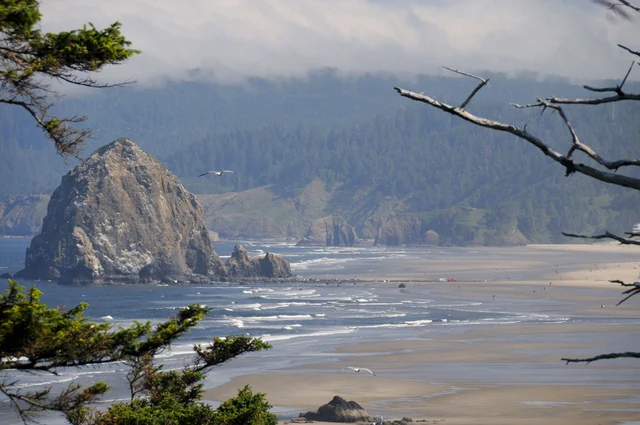
Haystack Rock rises above waves and a broad sandy beach, framed by coastal tree branches.
Haystack Rock and the Cannon Beach shoreline, photographed in July 2008. · Photo: Haystack Rock — Lowe, Roy W./USFWS, Public domain · Resized with Lanczos and encoded as lossy WebP; aspect ratio and full frame retained. No crop, generative edit or content removal.

A little less driving. A little more time outside.

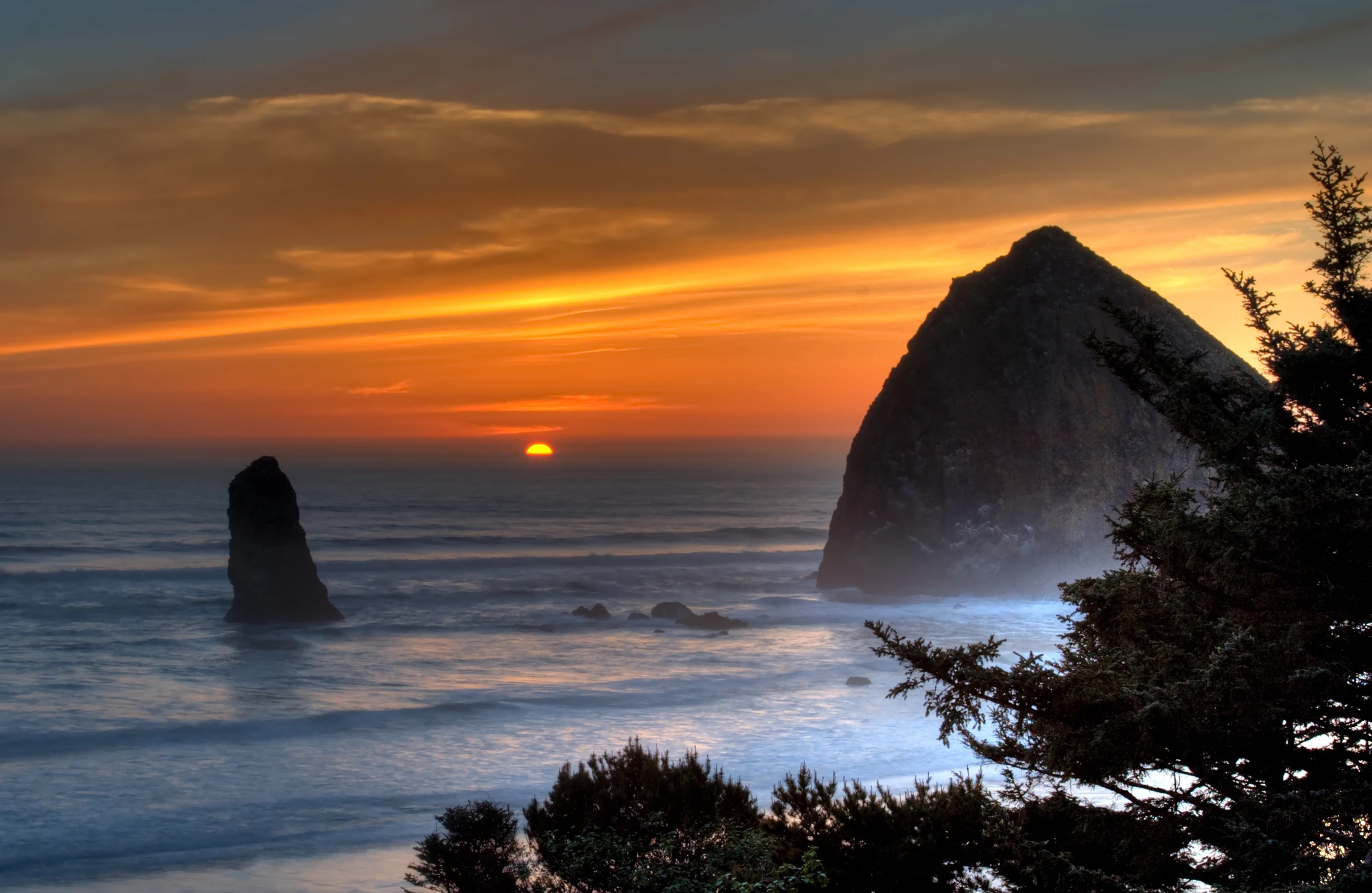
The north Oregon coast asks you to look twice. From a distance, Haystack Rock is a silhouette against the Pacific. At a suitable low tide, the ground around it becomes a small world of pools and living surfaces. Above the beach, the forest changes the scale again: broad trunks, dark shade, and paths that invite a slower pace than the highway. A good trip leaves enough room for all three perspectives.

Cannon Beach makes a natural center for this kind of stay. Keep the same room, learn the route to the shore, and let the tide and forecast decide which outing comes first. Ecola State Park supplies the northern headland chapter; Oswald West offers a forest-and-cove day to the south. Neither requires collecting every named trail to feel complete. The most useful item in the itinerary is the space to return somewhere you liked.

Seaside is a genuine alternative when a paved oceanfront route matters more than waking near Haystack Rock. Its Promenade lets travelers enjoy the shore without committing to loose sand or a forest trail. Choose one town for the short stay. Newport belongs to a separate central-coast trip, and inland Ashland belongs to southern Oregon; neither is an afternoon extension of this Cannon Beach plan.

Choose where to linger

Choose your relationship to the shore

Cannon Beach anchors the route below. Seaside offers another way to stay nearby, especially for travelers who want a paved waterfront outing.

01

Cannon Beach

Choose Cannon Beach when repeated visits to the same shore are part of the appeal. A beach walk before a relaxed meal and a second look at the rock in different light can be a better use of time than another drive. Select lodging by the actual route you will use to reach town and the beach, including any steps or sand crossings, rather than an ocean-view description alone.

For a group with different interests, keep the shared commitments modest: one main outing, a meal together, and a clear meeting place afterward. Tidepooling takes attention rather than distance, and someone who prefers a town afternoon need not be carried along on every forest excursion. Check current opening hours directly for any business you make essential to the day.

02

Seaside

Seaside is the stronger alternative when a straightforward oceanfront walk or roll is the priority. The visitor bureau describes the Promenade as a level, paved route extending 1.5 miles. You can choose a short segment, stop to watch the water, and turn back without making beach access the test of the outing. It gives a mixed-mobility group a concrete starting point for planning.

Beach access requires a separate conversation. Seaside lists access mats and reservable manual beach wheelchairs and powered track chairs; confirm the equipment, access point, operating arrangements, and fit for the intended user before travel. A mat does not make the entire beach firm. Stay here instead of Cannon Beach if that combination suits the group, rather than adding an unnecessary hotel change to a three-day visit.

Ways into the landscape

A small coast with several kinds of day

01

Let low tide reveal the smaller landscape

Arrange Haystack Rock around the daylight tide window rather than assigning it automatically to the morning. Use the local tide information and the Haystack Rock Awareness Program schedule together. Interpreters can help you notice animals you would otherwise pass, and their presence is a reason to linger with a small area instead of rushing across the exposed shore.

Choose bare sand and avoid stepping on living surfaces. Leave shells and animals where they belong, and keep dogs leashed around the Marine Garden. The protected rock above the barnacle line is closed to public use throughout the year. This is a shoreline observation outing, never a climb. A low prediction also does not override dangerous surf; stay out of the pools when conditions make the approach unsafe.

02

Look back along the coast from Ecola

Ecola offers the change of viewpoint that makes a beach stay feel larger. Head for the signed, open Ecola Point day-use area and enjoy the shoreline from above before deciding whether a longer walk is worthwhile. Make lunch or a quiet pause part of the visit. The old viewing deck has been removed because of unstable ground, so use present-day barriers and signed routes rather than trying to reproduce an older photograph.

The west section of the Clatsop Loop is closed until further notice under an April 17, 2026 landslide notice. Do not plan the advertised loop as a complete circuit. Indian Beach is a separate possible stop only when its access is open and sea conditions allow. If gates, parking, or weather make the visit unsuitable, return to town instead of improvising a route around the closure.

03

Follow the forest toward Short Sand

At Oswald West, give the woods equal attention to the destination. The park describes the main approach to Short Sand Beach as a half-mile walk from the main parking lot, using the path beneath Highway 101 and following Short Sand Creek. Keep this a modest out-and-back with a pause near the cove; reaching another headland is optional, not the measure of a worthwhile day.

Follow current signs carefully. Upper Short Sand Creek Trail, identified as Trail 12, is closed; its bridge span was removed. The Necarney Creek suspension bridge has also been removed, and the Necarney Creek restroom is closed. Those notices mean older loop suggestions cannot be assumed usable. The main forest walk is not presented here as wheelchair accessible: confirm surfaces, gradients, and any barriers with park staff for your needs.

04

Take the paved route in Seaside

The Promenade gives the trip a welcome change of texture. Start near the Broadway Turnaround and choose a direction, keeping the return as short or long as the group wants. The ocean remains the subject, but no tide-pool scramble or muddy trail is required. It is an especially useful substitution when someone wants a less demanding day, provided wind and weather make an exposed waterfront outing comfortable.

Leave room to sit, talk, and have a meal rather than treating the full path as a distance goal. This can stand in for the Ecola day if trail access is unsuitable. It is not a storm shelter: an official beach-hazard warning should lead to an indoor plan or another safe location, not a determination to complete the coastal itinerary at any cost.

05

Watch the colony without entering it

Bring binoculars and let distance be part of the experience at Haystack Rock. Puffins are seasonal nesting birds, not a year-round attraction; the city program describes an April-through-August nesting period. Even within that window, the birds decide whether they are visible. Ask an interpreter what is being seen that day rather than making a sighting a promise to the group.

Other seabirds and the movement between rock and water can hold attention just as well. Stay outside any marked protection areas and give resting wildlife space. Leave drones packed: the refuge prohibits their operation on refuge lands, and Ecola and Oswald West also list drone prohibitions. A photograph is worth less than allowing an animal to continue feeding, resting, or returning to its nest undisturbed.

A suggested journey

Three days from Cannon Beach

Keep Cannon Beach as your overnight base throughout. Swap the first two days to match a safe daylight low tide, and check park notices before each departure.

  1. Day 1

    Day 1: Cannon Beach at the tide’s pace

    Begin by checking the surf forecast, local tides, and interpreter schedule. If a suitable daylight low tide falls today, make Haystack Rock the main outing and leave the surrounding hours for settling into town. Arrive with enough time to look slowly, but return well before a rising sea narrows the safe space. If the window does not work, take a safe shore view and move tidepooling to another day.

    Use the afternoon for a meal, a modest town wander, and tomorrow’s access check. You do not need a second destination to justify an arrival day. Identify your beach exit and review the evacuation route associated with your lodging while there is no urgency.

    Cannon Beach
  2. Day 2

    Day 2: Ecola, with an easy alternative

    Check the Ecola notices before leaving town. When the entrance and day-use area are open, start with Ecola Point and make any additional walking conditional on current signs, footing, and the group’s comfort. Leave the closed west Clatsop Loop out of the plan. A scenic pause and a picnic are enough; there is no need to force a forest circuit around a damaged section.

    If Ecola does not suit the day, substitute Seaside’s Promenade rather than adding it afterward. Return to Cannon Beach with room for an unhurried evening. Moving the tidepool visit here is also sensible when today offers the better window.

    Cannon Beach
  3. Day 3

    Day 3: Short Sand and a slow return

    Make Oswald West the day’s single excursion. Use the signed main approach to Short Sand, keeping clear of the closed upper trail and removed bridges. Pause in the forest and assess the beach from a safe position before deciding whether to continue onto the sand. Do not treat surfers in the water as evidence that swimming or wading is suitable for your group.

    Return the way you came and leave the rest of the day for packing, a final meal, or another look at Cannon Beach if conditions permit. If wind, rain, or access makes the park unsuitable, a town day is a complete alternative. Newport can wait for a trip with its own overnight plan.

    Cannon Beach

Plan for the elevation

Four seasons, flexible expectations

Spring

Plan for changeable days and a coast that is becoming busy with nesting life. Bring binoculars without expecting a guaranteed puffin sighting. Choose walks after checking recent rain and park notices; a calendar turning to spring does not repair a landslide or a missing bridge. Keep one outing close to your lodging so a shorter weather window can still be useful.

Summer

Give the daylight tide table first choice of your schedule, then place meals and forest time around it. Bring layers even when the day begins comfortably, and keep water and snacks ready so a parking delay does not turn into a rushed outing. Confirm any adaptive equipment in advance. A summer beach remains cold-water, wave-exposed terrain, not an invitation to casual swimming.

Fall

Shorten the list as the daylight shortens. A forest walk and an early dinner can fill the day better than trying to add a distant sunset stop. Check the interpreter schedule before promising a staffed tide-pool visit; staffing varies with the posted program calendar. By autumn, plan birdwatching broadly rather than building the trip around nesting puffins.

Winter

Come for a different rhythm: brief safe viewpoints, warm indoor breaks, and the freedom to stay off the beach entirely. Watch stormy seas only from a safe, open place well away from waves, cliffs, and debris. Heavy weather can change park access, so keep the whole day replaceable. A clear forecast is a reason to reassess conditions, not proof that a previously closed route has reopened.

Make the trip work

Plan the details that matter.

Treat the ocean as moving terrain

Sneaker waves can follow an apparently quiet interval and reach farther inland than expected. Keep watching the ocean, stay clear of logs that waves can move, and do not wait until water reaches your feet to decide where to retreat. In hazardous conditions, skip the beach. Know the posted tsunami evacuation route from both your lodging and your usual beach access before starting the trip.

Check the actual route, not the destination label

A short walk can still involve sand, mud, steps, or uneven ground. For Ecola, ask specifically about the route from parking to the open viewpoint; the removed viewing deck must not be confused with a current accessible facility. At Short Sand, ask about the main approach rather than a generic park accessibility label. Seaside’s paved Promenade is the clearest documented alternative here, with separate arrangements needed for adaptive beach equipment.

Before you settle on a plan

A few useful questions.

Should we move hotels during these three days?

Usually no. Cannon Beach is the overnight base for all three days. Choose Seaside instead if its paved waterfront and access options better match your group, then adapt the outings from there.

Can we always reach the Haystack Rock tide pools?

No. Tide height, surf, weather, and temporary restrictions all matter. Check local tide information and the interpreter schedule, then decide on the day; viewing the rock from farther away is a worthwhile alternative.

Is the Clatsop Loop currently a complete hiking option?

No. On October 17, 2026, Oregon State Parks still listed the west section closed due to an active landslide, effective April 17, 2026. Recheck before travel and do not cross barriers.

Before you go

Check the day’s conditions.

Recheck Ecola and Oswald West access, the Haystack Rock program schedule, local tides, and beach hazards before each outing. The named trail and bridge closures were listed on October 17, 2026; this guide does not establish future access.

Keep the essentials simple.

  • Use a local tide table and current surf forecast together. Neither replaces watching the water and keeping an escape route available.
  • Carry rain protection, warm layers, drinking water, and shoes appropriate to wet sand or forest footing. Keep a dry layer available after an outing.
  • Ecola and Oswald West list day-use parking permit requirements. Check current arrangements; no price or guaranteed parking space is assumed here.
  • Confirm specific mobility needs with the park or equipment provider. Paved access, sand access, and tide-pool access are different questions.
Sources & editorial scope

Research checked 2026-10-17. Official park, city-program, wildlife, weather, and visitor-bureau sources checked October 17, 2026. Closures and schedules need another check for your dates.