The Adventure Collective Journal · Regional guide

San Diego & the Southern California Coast

Headland views, bay-side miles, and a beach day with room to linger. Settle in San Diego; save Santa Barbara for a coastal stay of its own.

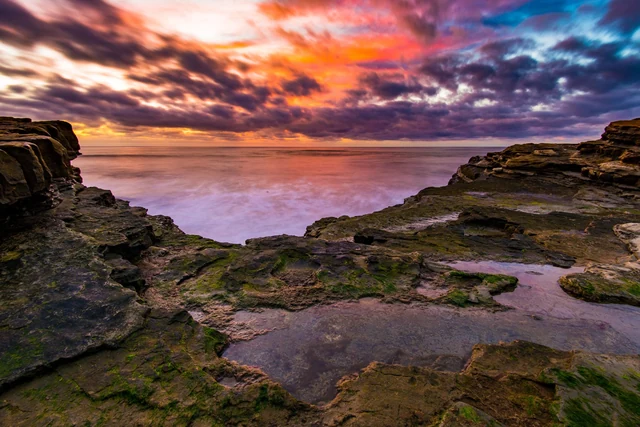
Colorful sunset clouds reflect in tidepools between dark coastal rocks.
Sunset over the rocky shore and tidepools at Cabrillo National Monument in San Diego. · Photo: Cabrillo National Monument — NPS / National Park Service, Public domain · Full-frame proportional Lanczos resizing and WebP compression; no crop, retouching or generative change. Source ICC profile retained where present; original EXIF stripped, credit/license/provenance retained in XMP and manifest.

A little less driving. A little more time outside.

The coast makes an easy promise: follow the water and the day will take care of itself. Around San Diego, the better version involves a little attention. A low tide can determine when to visit Point Loma. A beach morning may arrive wrapped in gray. A bay-side walk can become the whole afternoon once you stop treating it as the space between larger plans. Give those small changes room and three days begin to feel like a visit rather than a collection of parking lots.

Choose San Diego for a compact sequence of coastal outings: Cabrillo National Monument, Mission Bay, and La Jolla Shores. Each offers a different relationship with the water, from looking down across a headland to moving beside the bay or spending time on sand. Santa Barbara belongs to the same broad coastal story but needs another chapter and another place to sleep. It is a separate stay well north of this itinerary, not an adjacent base.

One familiar stop needs to wait. As checked October 17, 2026, Torrey Pines State Natural Reserve is closed for construction, with reopening planned for March 2027. The itinerary below does not depend on its trails reopening.

Choose where to linger

Choose a coast to wake up beside

San Diego anchors this three-day visit. Choose Santa Barbara for a different stay, with separate transfer days if combining the two.

01

San Diego

The home base for all three days

Stay in one San Diego lodging base for the entire three-day plan. Before booking, compare its location with the outings you actually want: Point Loma for Cabrillo, Mission Bay for paths beside the water, and La Jolla Shores for a beach-focused day. An ocean view is less useful than an arrival and return plan that works for your group.

The city offers enough variety to keep a coastal trip satisfying when swimming is off the table. Treat the bay paths and the headland as full outings. Leave an evening unassigned rather than adding a distant beach simply because it appears on the same map.

02

Santa Barbara

A separate coastal stay

Give Santa Barbara its own accommodation and its own unhurried mornings. Shoreline Park offers an introduction from above the water, with room for a walk and a pause on the lawn. The city’s bike-network map can help shape a separate waterfront ride around the start, finish and crossings that suit you.

If adding this stay after San Diego, protect a separate travel day in the itinerary. Do not build either city’s outings around commuting back to the other. A broad coastal guide is an invitation to choose, not a requirement to cover the whole shoreline.

Ways into the landscape

Four ways to meet the coast

01

Cabrillo: read the coast from the headland

Begin with the upper park’s overlooks and interpretation before deciding whether the lower shore fits the day. The value here is the change in scale: the bay and city spread beyond the headland, while the intertidal shore asks you to look closely.

For tidepooling, match the tide chart to park access hours; fall and winter generally offer stronger daytime opportunities. Expect uneven, slippery rock and a dirt approach. Wear grippy shoes, leave shells and creatures in place, and abandon the scramble when footing or surf is unsuitable. The upper overlooks remain worthwhile without a descent.

02

Mission Bay: let the path set the pace

Choose a short out-and-back on the bay’s walking and cycling paths rather than assuming you need to circle the entire park. Turn around while the outing still feels easy, and save time for sitting beside the water. This is the day to bring a picnic and stop measuring progress.

The city lists designated swimming areas and a current restroom-availability report. Check both before choosing your starting point. A path outing and a water outing need different decisions: the latter also depends on restrictions and county water-quality advice.

03

La Jolla Shores: make a beach the destination

La Jolla Shores works best when it gets a generous block of time. Walk the sand, look back across the curve of beach, then decide whether to stay for a swim or another hour ashore. The city lists a permanent lifeguard station, restrooms and showers; ask about current swimming conditions rather than reading calm water as permission.

The adjacent ecological reserve is protected. Keep the visit observational and leave natural objects where they are. If water contact is discouraged, let this become a shore-only day or return to a favorite bay path. There is no obligation to salvage a swim from an unsuitable forecast.

04

Santa Barbara: a bluff-top pause and a waterfront ride

On a separate Santa Barbara stay, begin at Shoreline Park for the outlook over the coast. Its walking paths and grassy areas invite a slower morning; beach access below uses stairs, so the top and the sand are different accessibility decisions.

For a cycling day, consult the city’s bike map and choose a manageable waterfront segment with a clear return. Keep the route modest enough for breaks and shared-path traffic. This outing is intentionally outside the three San Diego days.

A suggested journey

Three days based in San Diego

Move the Cabrillo day to suit a usable tide within park hours. Keep other days flexible around water quality, wind and the kind of outing your group enjoys.

  1. Day 1

    Day 1: Cabrillo, with the tide in charge

    Use the upper overlooks to get your bearings and visit the interpretive areas at your own pace. If a suitable low tide falls within the lower area’s operating hours, shift the order so the shore receives that window. Otherwise keep the day on the headland; do not force a descent just to complete a checklist.

    Choose the accessible-path options described below if the rocky shore does not suit the group. Leave enough margin to return before closing, and make any hired-driver pickup arrangements before going down to the tidepools. Finish back at your San Diego base.

    San Diego
  2. Day 2

    Day 2: Mission Bay at walking speed

    Pick a bay-side starting point after checking the facilities report, then walk or ride an out-and-back that leaves everyone energy for the afternoon. Put the picnic near the middle of the day, not at the end of an overlong route. The water provides the backdrop whether or not anyone goes in.

    If a sand-access wheelchair would help, investigate the city’s Mission Beach program ahead of time; Mission Beach is the ocean-side option, not a guarantee of equipment at every Mission Bay access point. Keep the afternoon flexible and return to the same lodging.

    San Diego
  3. Day 3

    Day 3: La Jolla Shores, without an extra transfer

    Devote the final day to La Jolla Shores. Start ashore, check with lifeguards before any swim, and stay only as long as the conditions and your group’s energy invite. A leisurely beach visit makes a better finish than trying to add another distant headland.

    If water quality rules out contact, choose a dry-land beach view or repeat the bay path you enjoyed most. Santa Barbara waits for a separate stay; today ends in San Diego.

    San Diego

Plan for the elevation

Let the season change the plan

Spring: take the gray morning seriously

Coastal fog and wind can outlast the sunny forecast you saw inland. Carry a warm layer and make the day useful even without a clear horizon. Check the actual tide rather than assuming every spring afternoon offers exposed pools.

Summer: give the shore more time

Fog can still arrive suddenly, and strong tidepool viewing may fall outside daytime access. Favor beach time and bay paths, with shade breaks and water. A summer plan should work without a tidepool encounter.

Fall: watch the wind as well as the tide

Autumn can bring hot, dry Santa Ana winds. Shorten exposed outings when conditions demand it and keep a layer for the coast. Treat good tide timing as one part of the decision, alongside surf and access.

Winter: keep a dry-land alternative

Winter brings the rainy part of the year and useful daytime low-tide possibilities. After rain, follow county water-contact guidance even if the sky has cleared. A shore-side walk can be the right choice while the ocean remains off-limits.

Make the trip work

Plan the details that matter.

Match access to the actual surface

At Cabrillo, sidewalks and ramps link the principal upper visitor areas, and the visitor center has accessible restrooms. The historic lighthouse interior requires stairs. In the lower area, an initial concrete path leads to an ocean-view bench before rougher trail access; an accessible parking space does not make the tidepools accessible.

La Jolla Shores lists beach wheelchairs, while the city also describes a Mission Beach wheelchair program. Contact the relevant service before making plans around equipment. In Santa Barbara, Shoreline Park’s beach stairs are distinct from its upper paths; confirm the exact route and facilities needed rather than relying on a general accessible label.

Know which visit needs permission

Cabrillo’s general public visits do not require reservations, but entrance fees apply. Organized groups, special events and some other uses follow different rules; consult the park’s permit guidance before arranging them. Large tidepool groups also need to check reservation requirements.

Torrey Pines lists a special-event permit requirement for organized visiting or hiking groups. That is planning information for a future open period, not permission to enter during construction. No reservation or permit creates access to a closed trail.

Torrey Pines: leave the reserve for another visit

State Parks’ September 18, 2026 notice closes the reserve from September 22, including trails, the Beach Trail Staircase and upper lots, with reopening planned for March 2027. The notice says Torrey Pines State Beach and its North and South parking lots remain open. Reconfirm conditions before travel; a target reopening month is not a guarantee.

Before you settle on a plan

A few useful questions.

Can I use Santa Barbara as a base for these three days?

Choose San Diego for this itinerary. Santa Barbara is a separate coastal stay, with its own lodging and travel time, rather than a daily base for San Diego outings.

Do I need a Cabrillo reservation?

General visits do not require one; entry fees still apply. Group visits and special uses can have separate requirements, so check before organizing them.

Is the guide usable while Torrey Pines is closed?

Yes. The three days focus on Cabrillo, Mission Bay and La Jolla Shores. Reserve hiking is excluded until State Parks confirms reopening.

Before you go

Check the day’s conditions.

Checked October 17, 2026: Torrey Pines reserve is under a dated construction closure, with March 2027 reopening planned. Recheck park access, tides, surf and county water-quality notices before each outing.

Keep the essentials simple.

  • Check official conditions and tides before leaving for Cabrillo. Arrange a return pickup in advance if using a hired driver; the tidepool area has no cellular coverage.
  • Carry layers, sun protection, water and shoes suited to the chosen surface. A paved overlook, a sandy beach and wet tidepool rock are three different outings.
  • County guidance advises avoiding ocean and bay water contact for 72 hours after rain ends. Check current warnings and closures as well; elapsed time alone does not establish safe water.
  • Do not plan on Torrey Pines reserve trails until State Parks confirms reopening. Keep clear of closed areas and use this itinerary’s alternatives.
Sources & editorial scope

Research checked 2026-10-17. Official park, city and county sources checked October 17, 2026. Access, water quality and equipment availability require a fresh check before travel.