Why Delaware Water Gap Belongs on Your Adventure Shortlist
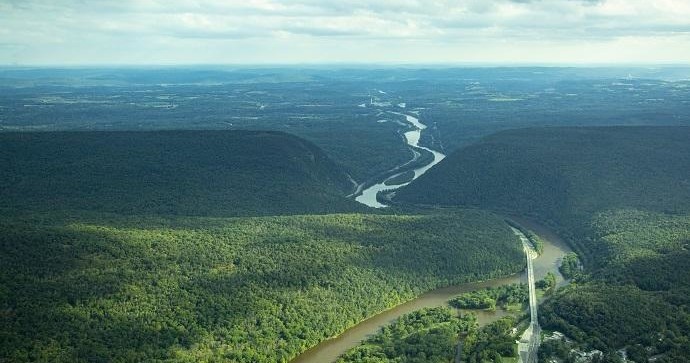
The Delaware Water Gap is the kind of place that enters your body in stages: first the sound—the river moving around rock, a motor from a boat tour on the channel, birds calling from the ridge—then the light, honeyed in late afternoon where the forest opens and the valley stretches like a map. Hiking here is literal elevation—the ascent to Mount Tammany rewards a lungful of cedar-scented air and a view that frames the Delaware River like a blue ribbon. It’s also tactile: river shoes squelching in sandbars after a canoe or kayak trip, the spray from a raft when the water runs lively, the slow patient tug of a trout on a fly line where anglers stake out quiet eddies.
What makes the Gap especially useful for travelers is the variety. You can start the morning with a sunrise ridge walk, switch to boat rental or a guided canoe in the afternoon, and cap the day with a low-light wildlife watch along the shoreline. For families, calm stretches of the river and soft beaches pair with accessible hikes and interpretive centers; for more ambitious visitors, full-day raft trips, steep singletrack, or a bike tour along adjacent country roads give a good challenge. The area’s search keywords—water activities, boat tour, canoe, kayak, rafting, boat rental, fishing, hiking, wildlife, and even air activities like scenic air tours—aren’t just marketing phrases here. They’re how people experience the place: floating past bluffs, spotting osprey riding thermals, loading a rented kayak onto the river at a friendly outfitter, or watching sunset from a ridge bench.
The culture around the Gap is small-town and equipment-forward. Outfitters cluster near major put-ins and trailheads, offering everything from guided rafting to quiet SUP rentals; local shuttle services save you the logistical headache of point-to-point paddles. Seasonal rhythms are clear—late spring and early fall deliver warm water and fewer crowds, while summer brings busier river weekends and more options for family-friendly boat tours. Winter closes some services but opens crisp, quiet hikes for those comfortable with cold weather gear. Practical planning matters here: check river levels before launching, understand shuttle windows for popular canoe runs, and consider a guided whitewater day if you’re new to rapid-reading current. The payoff is that each activity—whether a guided air tour that lets you see the gap from above or a patient afternoon of fishing—feels connected to a landscape that’s immediate, varied, and profoundly outdoor.
Access is straightforward: major highways skirt the valley and trailheads and river put-ins are concentrated, which reduces transit time between activities. Outfitters handle boat rental, guided rafting, and shuttles so you can focus on the river or the ridge instead of logistics.
Conservation and etiquette matter—leave no trace at popular beach put-ins, respect posted swimming bans, and be prepared for variable river conditions. Wildlife watching is best in morning and evening; bring binoculars and keep distance from nesting waterfowl.
Delaware Water Gap’s advantage is variety without surrendering the day to long transfers.