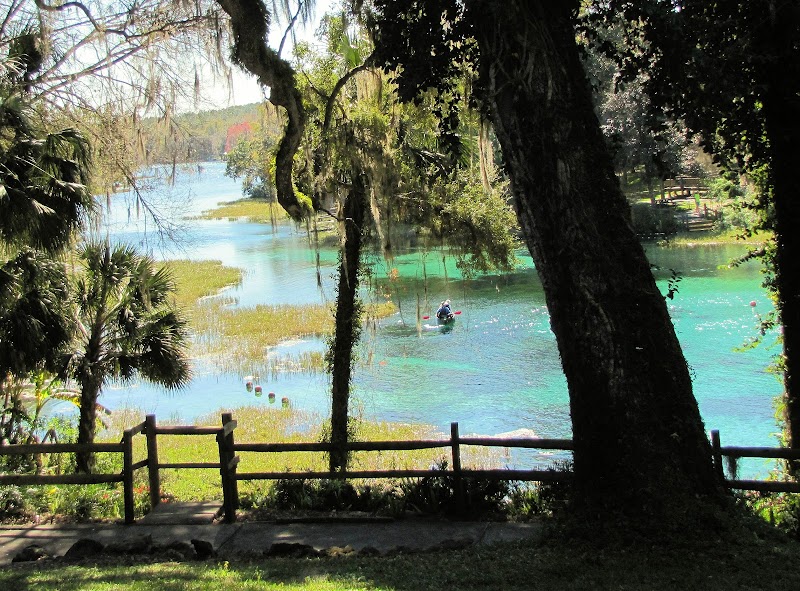
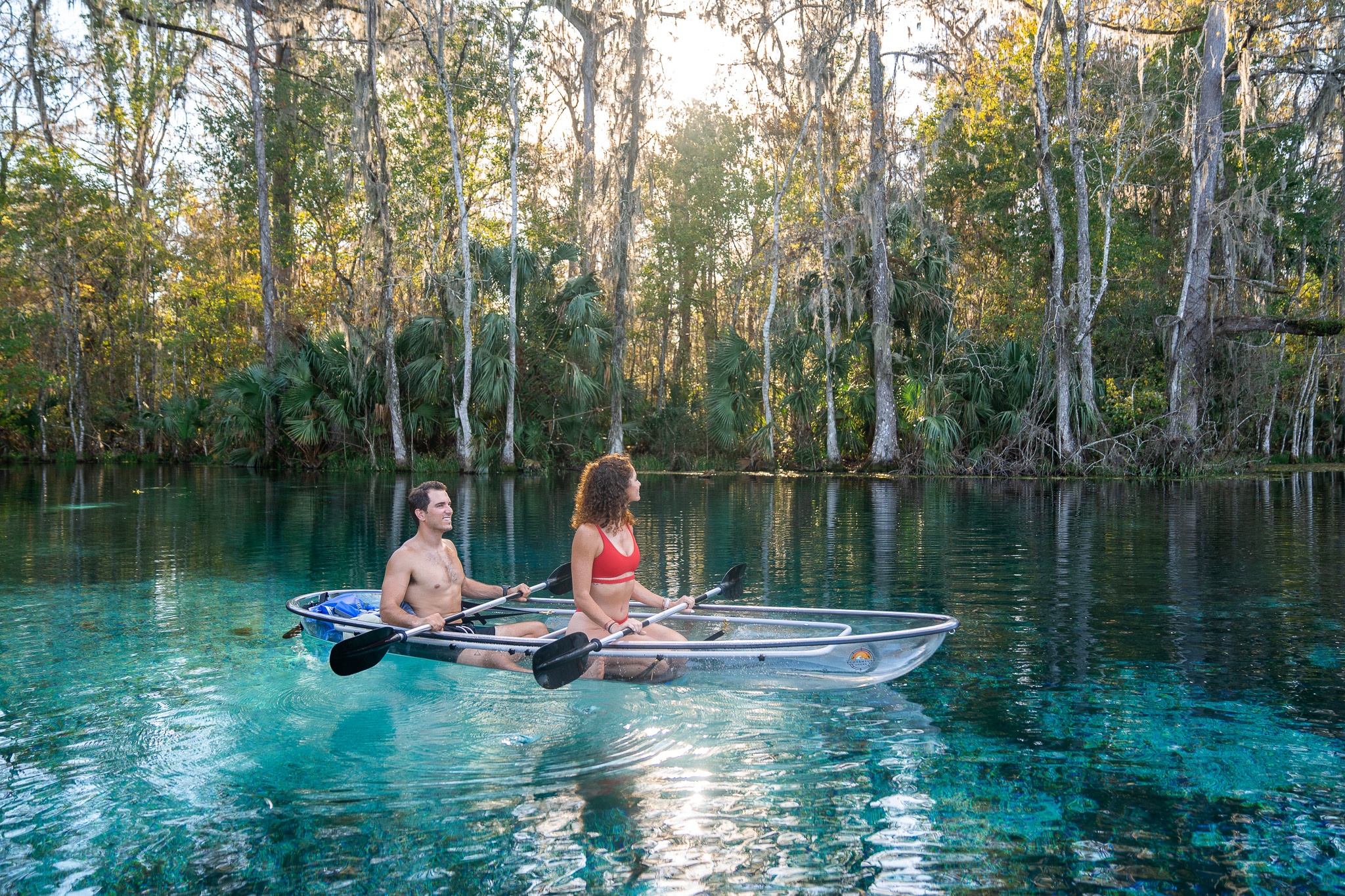
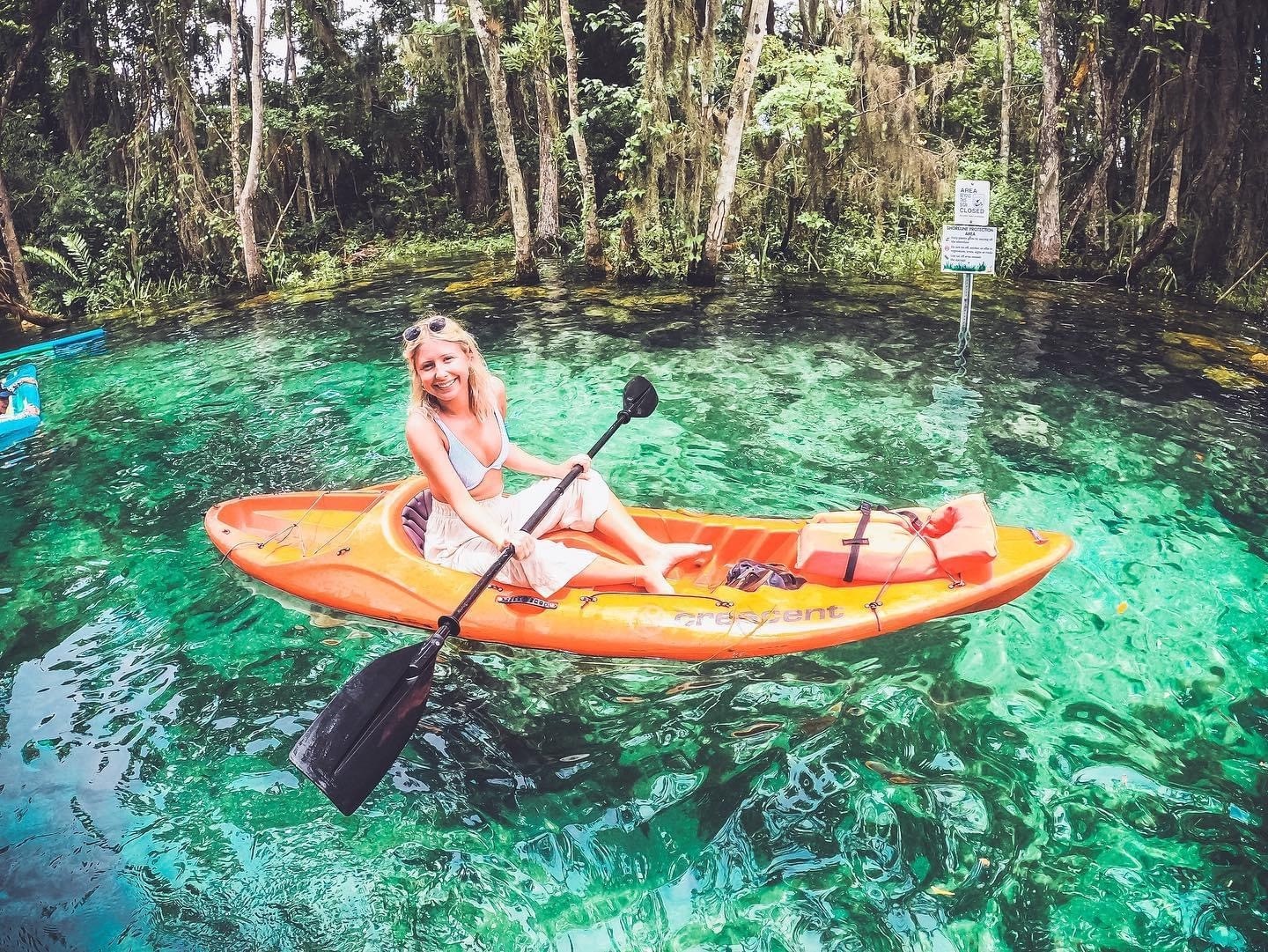
Ocala’s geography is deceptively simple until you step into it: a tapestry of limestone springs, slow rivers, and broad flatwoods that encourage low-stakes, high-reward exploration. The springs—Silver, Juniper, Alexander—are the beating heart. They are not only environmental attractions but also living portals into a karst system where freshwater gushes clear enough to read the bottom. That clarity turns a casual paddle into a cinema: snorkeling above submerged branches, paddling a kayak past beds of eelgrass, or watching a rented boat’s wake lift silver minnows into sunlight.
This is a place where adventure is modular. You can start a morning with a city tour of historic downtown Ocala, take a mid-morning boat tour on a glass-bottom vessel at Silver Springs, and spend the afternoon on an eco tour down the Ocklawaha River. For anglers, the mix of springs, creeks, and backwater impoundments means reliable fishing—bass, catfish, and panfish—on a variety of craft: canoe, kayak, or a rented small boat. For those drawn to water beyond the shore, snorkeling and scuba experiences peel back another layer: springs are classrooms for freshwater geology, hosting intricate channels and, in certain permitted areas, cavern entrances. SUP spreads the experience horizontally; you glide on top of those deep blues and get close to wading birds and turtles without disturbing them.
Ocala is also a practical base for micro-adventures. Outfitters in town make boat rentals and guided kayak tours straightforward, and well-marked put-ins paired with short shuttles let you stack runs in a single day. Wildlife viewing is dovetailed into nearly every activity: sunrise paddles often deliver river otters and herons, while boat-based eco tours explain the seasonal cycles of local species. Even the city-tour angle has a wilderness through-line—historic equestrian estates and greenways that border conservation lands give urban days an outdoor frame. Above all, Ocala rewards a patient pace: it’s less about conquering terrain and more about reading it—learning the quiet grammar of springs and river bends, and letting the water reveal its stories.