A Day at Drayton Hall: Walking the Line Between Beauty and Reckoning

A Day at Drayton Hall: Walking the Line Between Beauty and Reckoning

Call to Book • 4 Hours • 15 Person Minimum

Continue Reading

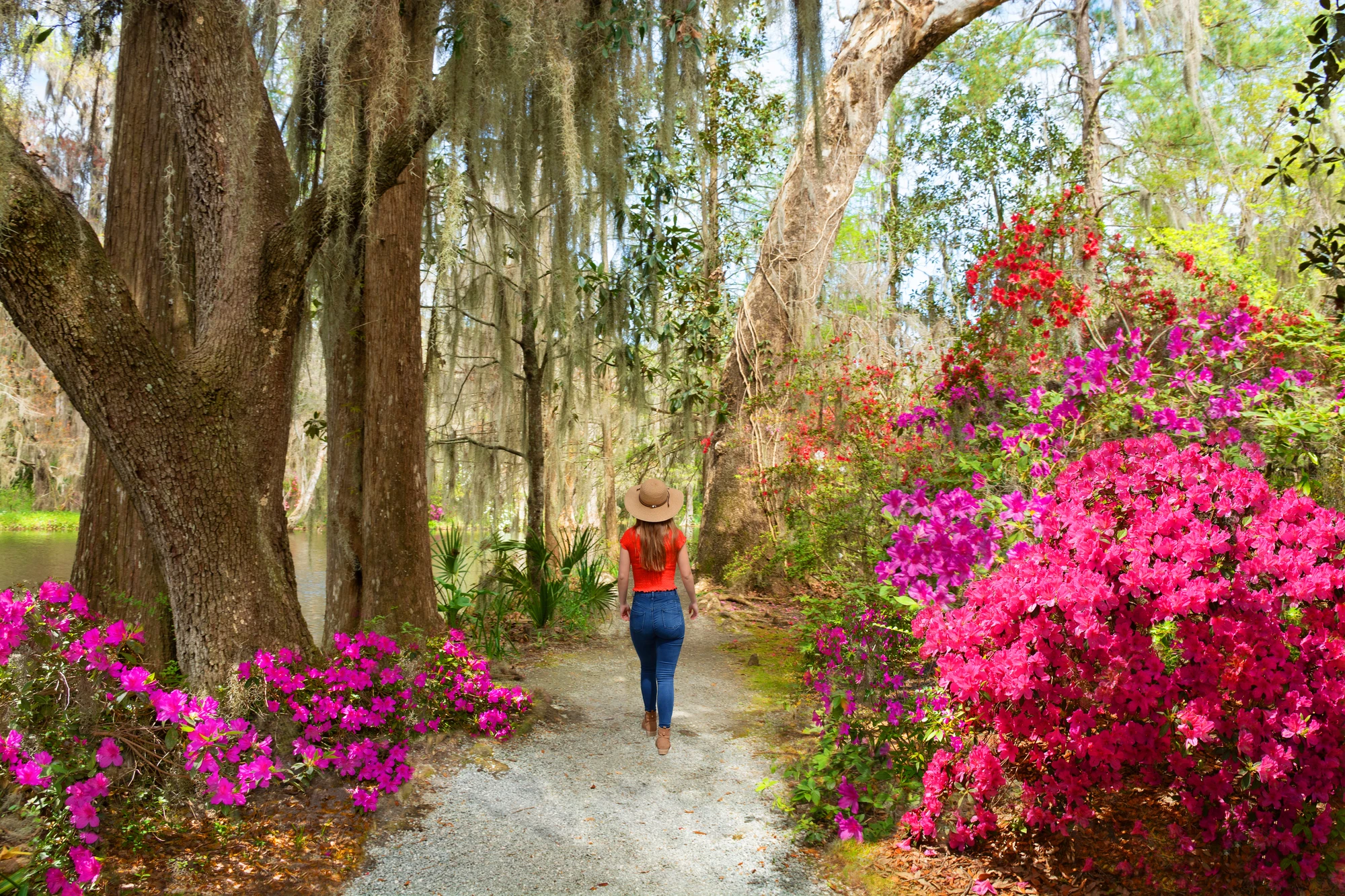
The Ashley River keeps its own time out here—tide-bent, slow, deliberate. Live oaks lean in like old friends with long memories, their branches raftered with Spanish moss that stirs when the river exhales. You step from the pavilion into a hush you didn’t expect this close to Charleston, and there it is: Drayton Hall, a Palladian facade set against bright sky, symmetrical and spare, unvarnished by the centuries and unapologetically honest. It doesn’t shout. It simply stands.

A day at Drayton Hall (https://app.advcollective.com/local-experts/a-day-at-drayton-hall) begins with that quiet confrontation—beauty and history side by side. The guided tour moves you through rooms where plaster peels in graceful curves and heart pine floors hold a thousand footfalls. The house is unrestored by design, a preservation-first approach that lets its story show through the layers: hand-carved mantels, delicate cornices, graffiti from occupying forces, and the mark of every hurricane season that tried to twist its bones but never did. Your guide doesn’t romanticize. They point out craftsmanship and context, the wealth pulled from rice and indigo, and the enslaved people whose labor built and sustained it. The house listens while you learn.

Outside, the Lowcountry presses in. Marsh grass breathes with the tide; fiddler crabs raise and lower their tiny flags. The air is part salt, part sun-warmed leaf, part river whisper. You follow the self-guided audio tour along sand and shell paths, past the allée of live oaks that frame the house like a keyhole to the past. The Ashley steers the day’s rhythm—herons tilt overhead, an osprey scolds the morning, and the heat slowly stretches awake. The landscape refuses to be a backdrop; it asserts itself as the stage.

Drayton Hall’s story is older than it looks. Constructed starting in 1738 for John Drayton, it is the oldest preserved plantation house open to the public in the United States, a rare survivor of both the American Revolution and the Civil War. Its Palladian symmetry came to the Lowcountry via transatlantic tastes, translated through local materials and coastal realities. The Main House anchors the property, but the larger narrative spreads across the grounds—to the caretaker’s house, where archaeology exhibits highlight fragments that reassemble daily life; to the Steven & Laura Gates Gallery, where rotating exhibits add texture; and to A Sacred Place, one of the nation’s oldest documented African American cemeteries.

The cemetery is where the wind speaks in a lower register. Live oaks shade a clearing where generations rest, marked and unmarked, known and unknown. Here, the river’s voice seems to slow to a heartbeat. This space is not an add-on. It’s a center of gravity, one that asks for quiet, for care, and for witness. You’ll leave better for having stood there, if only for a moment, allowing the past to be present.

In the practical cadence of the day, a Charleston-catered lunch in the temperature-controlled pavilion offers a pause. Outside, the heat thickens and the cicadas tune their instruments. The audio tour leads you to viewpoints that feel like time slips: a bend in the river where the marsh opens like a fan; a stand of oaks that keep their own weather; a sun-shot lawn where shadows stitch themselves to the grass. Drayton Hall’s refusal to be refurbished is not austerity. It’s clarity. The house, the river, the trees—they all hold their ground and tell you what they know.

If you’re visiting Charleston for the architecture and the food—and, let’s be honest, you probably are—this is a vital counterweight to the city’s postcard sheen. The site doesn’t soften the past but does give you room to walk through it, to think, and to ask smarter questions later over she-crab soup. It’s an experience that meets you where you are, whether you’re a student of design admiring the entablature, a family seeking an educational day outside, or a traveler looking to balance carriage rides with a more grounded understanding of the Lowcountry. The grounds invite easy, unhurried wandering; the galleries reward curiosity; the main house compels quiet attention.

By midafternoon, the river has shrugged off morning’s cool and the light turns a little brassier, a little more theatrical. The oaks cast longer shadows that sketch across the facade, and the brick glows with that late-day warmth Lowcountry photographers chase. This is the hour to circle back, to catch a second look at the details you missed—mortise-and-tenon joints, carvings that survived evacuations, hammer marks that show the human hand. Drayton Hall (https://app.advcollective.com/local-experts/a-day-at-drayton-hall) rewards repeat glances. Every angle is a lesson.

As you leave, the Ashley River keeps steady time, indifferent and enduring. The house remains, tuned to the coast and all its weather, a study in what it means to preserve without polishing. Beauty and reckoning hold hands here. The landscape doesn’t let you forget it, and that’s the point: to step into a day that is as much about learning as it is about looking, and to walk away with the Lowcountry in your ears—the hush of oaks, the push of tide, the chorus of history that still asks to be heard.
Duration4 hours
Plan your visit

Trail Wisdom

Reserve and confirm your group

There’s a 15-person minimum and tours fill up—book early and reconfirm your headcount a week out.

Dress for Lowcountry humidity

Light, breathable layers and comfortable walking shoes make the grounds more enjoyable, especially in summer.

Honor the cemetery’s rules

A Sacred Place is an active historic cemetery—stay on paths, speak softly, and do not touch markers.

Aim for early or late light

Arrive early or linger toward closing for cooler temps and soft light under the live oaks—ideal for photos.

Local Knowledge

Hidden Gems

  • The Ashley River overlook near the marsh edge—quiet birding and wide-sky views
  • The Caretaker’s House archaeology displays—small artifacts with big stories

Wildlife

Great egret, White ibis

Conservation Note

Drayton Hall follows a preservation—not restoration—ethos, maintaining original materials where possible. Stay on paths, respect the cemetery, and avoid touching historic surfaces.

Built beginning in 1738, Drayton Hall is one of the finest examples of Palladian architecture in North America and the oldest preserved plantation house open to the public to survive the Civil War.

Seasonal Guide

spring

Best for:Mild temperatures, Wildflowers and fresh foliage
Challenges:Pollen spikes, Occasional thunderstorms

Spring offers the most comfortable weather for extended walking, with lush greens and active birdlife.

summer

Best for:Long daylight hours, Vibrant marsh views
Challenges:High heat and humidity, Mosquitoes and pop-up storms

Plan for morning visits, hydrate often, and duck into the pavilion galleries during midday heat.

fall

Best for:Lower humidity, Golden late-day light
Challenges:Hurricane season risk, Variable temperatures

Expect warm, pleasant days and crisp evenings; keep an eye on storm forecasts from late August to October.

winter

Best for:Fewer crowds, Clear air for photography
Challenges:Cool, damp mornings, Shorter days

Mild winters make for comfortable tours; bring a light layer for breezy riverfront walks.

Photographer's Notes

Arrive early for soft, directional light on the oak allée; a polarizer tames glare off the Ashley River and deepens the greens. Use a 24–70mm for facades and a 35mm or 50mm for interior symmetry. Expose for highlights to preserve plaster details, and step back to frame the house with live oak limbs for natural vignettes.

What to Bring

Comfortable walking shoes

Essential

The grounds include gravel, grass, and boardwalk sections that are best handled in supportive footwear.

Reusable water bottle

Essential

Stay hydrated in Charleston’s humidity; refill at the pavilion or visitor areas.

○

Insect repellent

Mosquitoes can be active near the river and marsh, especially after rain.

○

Light rain shell

Quick showers are common; a packable layer keeps you exploring comfortably.

Common Questions

How long does the experience last?

Plan for approximately 4 hours, including a guided tour of the Main House, a catered lunch, and time for a self-guided audio tour of the grounds and exhibits.

Is there a group size requirement?

Yes. There is a 15-person minimum for this experience; call to book and finalize details with the Group Tour Coordinator.

Are the grounds and house accessible?

Many outdoor areas and the pavilion are accessible; however, the historic Main House includes stairs and uneven surfaces. Contact the site in advance to discuss current access options.

Can I take photos?

Photography is welcome outdoors; follow staff guidance and posted signs for any restrictions inside the Main House and exhibits.

What happens in bad weather?

Tours operate rain or shine except in severe weather. Summer storms can pass quickly—bring a light layer and check the forecast.

Is food available on-site?

A Charleston-catered boxed lunch is included and served in the temperature-controlled pavilion; water and restrooms are available at the visitor facilities.

What to Pack

Breathable layers for humidity; supportive walking shoes for gravel and grass; a reusable water bottle for summer heat; insect repellent for marshy areas.

Did You Know

Completed in the 1740s, Drayton Hall is the oldest preserved plantation house open to the public in the United States and one of the few to survive both the American Revolution and the Civil War without being burned.

Quick Travel Tips

Book early to secure your preferred time and coordinate your 15-person group; plan a morning visit in summer to avoid peak heat; build in time for the cemetery and galleries—they’re essential to the story; rideshare or drive—parking is available on-site.

Local Flavor

Post-visit, head to West Ashley for oak-aged conversation over pulled pork at Swig & Swine, craft pours at Charles Towne Fermentory, or classic Lowcountry plates at The Glass Onion. Back downtown, save room for she-crab soup or oysters along East Bay before sunset on the Battery.

Logistics Snapshot

Closest airport: Charleston International (CHS), ~20 minutes by car. Site address: 3380 Ashley River Rd, Charleston, SC. Drive time: ~25–30 minutes from downtown. Cell service: Generally good near the pavilion; spotty closer to the river. Booking: Call to reserve; 15-person minimum. Parking: Free on-site. Restrooms: At the pavilion/visitor center.

Sustainability Note

Stay on marked paths to protect fragile riverbank habitats and historic resources, and treat A Sacred Place cemetery with utmost respect—no rubbings, no touching markers, and keep voices low.

Topics