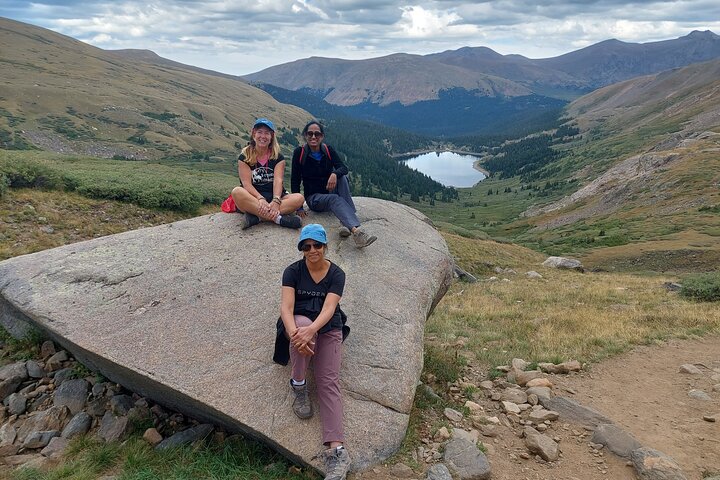
Alpine Secrets: A Private Guided Hike and Picnic in Colorado’s High Country

Alpine Secrets: A Private Guided Hike and Picnic in Colorado’s High Country

A private half‑day into rarefied air—tailored routes, 4WD access, and a high‑country picnic that makes the summit worth the climb.

Continue Reading

You crest a low saddle and the world rearranges itself. Pine gives way to a mosaic of wildflowers and brittle, wind-sculpted rock; a ribbon of granite ridgeline slices the horizon while a distant snowfield shimmers like a promise. The air is thinner here—clean enough to taste—and the silence is not empty so much as occupied by the small, urgent business of alpine life. A guide points out the last footprints of a marmot, gestures toward a cluster of lichen holding on to the stone, then lays out a small blanket and a pack of locally crafted cheeses and preserves. The picnic tastes better because you earned it.

This is what a Private Guided Secret Alpine Hike with Picnic Tasting aims to deliver: a compact, high-country day where the trail is more private than public, the views are sudden and wide, and the food is a convivial punctuation at the top. Sold through Denver and designed to suit a range of fitness levels, the excursion is a half-day investment—about five hours from door to trailhead to return—priced from roughly $149 per private group. The “secret” part is as literal as it is curated: guides use local knowledge and 4WD access to reach alpine meadows and ridges that are less crowded than the marquee trails outside Denver.

Geology and place matter here. Colorado’s high country is a catalogue of uplift and abrasion: granitic cores, glacial cirques, and shallow soils where plants cling like punctuation marks. Above treeline, the tundra is a fragile ecosystem—low-growing sedges, cushion plants, and tiny wildflowers that complete their life cycle in a single, explosive season. Guides who know the terrain will choose a route that balances exposure to these delicate places with the desire for a sweeping vista: a talus slope, a stream-fed meadow, and often a vantage that frames the Front Range or an adjacent bail of peaks.

Culturally, these high meadows are part of long human stories—Ute and Arapaho travel corridors, early mining routes, and now a modern outdoor economy of guides and guests. Local guides often fold those histories into the experience: a passing note about a prospector’s cabin, a mined-out adit swallowed by the forest, or the name of an old trail that hints at seasonal use rather than recreational discovery.

Why book this? First, efficiency: in five hours you experience high alpine environments without committing to a multi-day mountaineering expedition. Second, customization: the private nature of the trip lets the guide pick a hike that suits your party’s stamina and curiosity. Third, the picnic tasting—local cheese, charcuterie, seasonal fruit, and Colorado-made preserves—turns a summit break into a curated moment of place. Lastly, practicality: many of the chosen trailheads require 4WD, so the route is designed to minimize walk-up crowds while maximizing scenic return.

Practical specifics you’ll want to know before you go. Expect a moderate day: most groups cover 4–6 miles roundtrip with roughly 800–1,500 feet of elevation gain depending on route selection. Terrain alternates between singletrack, rocky scree, and short patches of alpine meadow; good ankle support in footwear matters. The five-hour window includes drive time to 4WD-access points, the hike, and a relaxed picnic stop. Because this is a private tour, guides adapt distance and pacing to the group: tell them your fitness level when you book.

Timing and seasons shape the experience. Late June brings the first flush of alpine flowers at lower elevations; July and August are peak bloom and generally the most reliable weather windows. Autumn's short, brilliant light and crisp air reward early risers but can introduce snow as early as September at higher elevations. Spring implies spring snowmelt and often muddy approaches; winter trips are different animals altogether and usually require snowshoes or skis.

What to expect from your guide: navigation, a safety brief, identification of flora and fauna, and often a short lesson in Leave No Trace alpine etiquette. Many guides will also carry a small first-aid kit and a radio or satellite communication device; if cell service is a concern, confirm the guide’s communications plan when you book.

If you go, remember the small, meaningful choices that protect the place. Stay on durable surfaces above treeline, avoid picking wildflowers, and stash food waste so local rodents don’t become unnatural foragers. The best souvenir of a secret alpine day is a memory, not a pocket full of stones or a cooler of leftovers.

This Private Guided Secret Alpine Hike with Picnic Tasting is not about conquest. It’s about a slow, concentrated taste of Colorado’s high country: geology that humbles, openness that clarifies, and companionship—the guide, your group, the land—kept in a humane proportion. For travelers based in Denver who want a substantive, accessible alpine experience without the logistics of a long trek, it’s a tidy, rejuvenating half-day that reminds you why people keep coming back to these heights.

Duration4–6 hours (including drive)
Group Size1–4 Guests
LanguagesEnglish
Rating3.0 (1 reviews)

Not recommended for travelers with spinal injuries

Not recommended for pregnant travelers

Not recommended for travelers with poor cardiovascular health

Plan your visit

Trail Wisdom

Break the summit into segments

Pace to a steady effort—break climbs into manageable sections and stay hydrated; the guide will plan rest stops at scenic points.

Wear sturdy, ankle‑support boots

Expect rocky singletrack and scree; a solid boot reduces the risk of rolled ankles on talus.

Bring a windproof layer and sun protection

Alpine weather shifts fast—carry a light shell and sun protection even on mild days.

Respect alpine tundra

Above treeline, step only on durable surfaces; fragile plants take years to recover from trampling.

Local Knowledge

Hidden Gems

  • Small glacial tarns tucked below the ridge where reflections are best in the morning
  • Off‑trail wildflower benches that are accessible via short, low‑impact detours the guide can recommend

Wildlife

Marmot, Pika

Conservation Note

Alpine tundra recovers slowly from disturbance—follow Leave No Trace, pack out all trash, and avoid stepping on fragile vegetation to protect the ecosystem.

These high meadows sit on ancestral routes once used by Ute and Arapaho people and later crossed by miners in the 19th century; traces of mining infrastructure still dot some valleys.

Seasonal Guide

spring

Best for:Early wildflower starts, Fewer crowds
Challenges:Muddy approaches, Late snow patches

Spring opens the season with early blooms at lower elevations but expect snow in shady spots and muddy trailhead roads; 4WD may still be required.

summer

Best for:Peak wildflowers, Reliable trail conditions
Challenges:Afternoon thunderstorms, Bugs at lower elevations

Summer is the sweet spot for stable access, long daylight, and full meadows—start early to avoid afternoon storms.

fall

Best for:Crisp light and color, Fewer visitors
Challenges:Early snow, Shorter daylight hours

Fall brings sharp visibility and golden hues but a real chance of snow above 10,000 feet—layers and early starts are essential.

winter

Best for:Snowbound solitude, Ski or snowshoe trips (with guide)
Challenges:Deep snow and cold, Specialized gear required

Winter hikes require different logistics—expect snow-covered roads, essential winter gear, and the need for a guide experienced in winter travel.

Photographer's Notes

Shoot low-angle foregrounds (rocks, flowers) to emphasize scale against ridgelines; use a polarizer for deeper skies and to cut glare from snowfields; arrive for golden hour if you want softer light and fewer people; brace on rocks for sharp telephoto shots of distant peaks.

What to Bring

Lightweight hiking boots with ankle support

Essential

Protects ankles on talus and uneven alpine trail.

Windproof shell and insulating mid‑layer

Essential

Alpine weather turns fast; layering keeps you comfortable through wind and sun.

Re­sealable water reservoir (2–3 liters)

Essential

Hydration is critical at elevation—bring more than you think you'll need.

Daypack with emergency kit and snacks

Essential

Carries your layers, food, and personal items; guides will also carry group safety gear.

Common Questions

How difficult is the hike?

Guides tailor the route, but most private hikes are moderate: expect 4–6 miles roundtrip and 800–1,500 ft of elevation gain depending on the chosen trail.

Is 4WD really necessary?

Many of the trailheads used are on unpaved, high‑clearance roads where 4WD is recommended; confirm vehicle needs with the operator if you’re driving yourself.

What should I bring for the picnic tasting?

The guide provides a curated picnic; bring personal water, dietary notes or restrictions, and a small reusable container for any leftovers.

Are kids or seniors able to join?

Yes—because the tour is private the guide can select a route suited to mixed‑ability groups; disclose fitness levels at booking.

Is there cell service on the trail?

Cell reception can be spotty or non-existent in alpine zones—ask your guide about communication plans and emergency procedures.

Do I need a permit?

Most day hikes don’t require permits, but some areas fall within national forests or parks with parking fees or seasonal restrictions—your guide will advise before departure.

What to Pack

Sturdy boots (support on rough trail), Windproof jacket (fast weather shifts), 2–3L water (hydration at altitude), Sun protection (strong UV at elevation)

Did You Know

Colorado has 53 officially recognized mountain peaks over 14,000 feet, and it has the highest average elevation of any U.S. state—so altitude is a real factor on day hikes.

Quick Travel Tips

Start early to avoid thunderstorms; Bring cash for small parking or town purchases; Tell your guide about dietary restrictions in advance; Check road conditions for 4WD requirements before you leave.

Local Flavor

After the hike, head back toward the Front Range towns—Idaho Springs or Georgetown offer historic main streets with hearty mountain fare and local craft brews. Seek out a small-town bakery or a smokehouse for a post-hike meal and chat with locals about seasonal trail conditions.

Logistics Snapshot

Closest airport: Denver International Airport (DEN); Typical driving time from Denver: 1–1.5 hours to trailheads used by guides; Cell service: spotty in alpine zones; Permits/passes: usually none for day hikes, but parking fees or seasonal road restrictions possible; 4WD often recommended for trailhead access.

Sustainability Note

Alpine tundra is fragile—stay on durable surfaces, pack out all trash, and avoid disturbing wildlife or plants. Support local guides who practice low-impact touring.

Topics

Included

  • Snacks

Good to Know

  • Not recommended for travelers with spinal injuries
  • Not recommended for pregnant travelers
  • Not recommended for travelers with poor cardiovascular health
  • Travelers should have at least a moderate level of physical fitness