Five Days Through Colorado’s High Country: Denver to Maroon Bells

Five Days Through Colorado’s High Country: Denver to Maroon Bells

A five-day loop from Denver through Rocky Mountain highs to Aspen’s Maroon Bells—big views, smart logistics

Continue Reading

On the third morning, you wake to a thin, bright cold that scrubs the air clean. Steam lifts off a river you’ll cross later that day; spruce-scented wind threads the bus windows as the van coasts up a shoulder of highway and the skyline of Denver shrinks behind you. What feels like a single, slow revelation is actually five distinct acts: city, alpine park, high passes, hot springs, and a finale framed by red sandstone. This small-group tour stitches them together over five days, trading the logistics and long drives for a curated loop through Colorado’s most photographable landscapes.

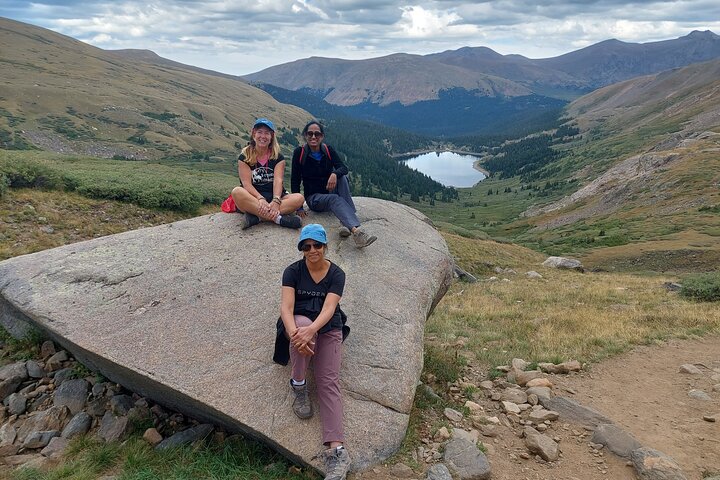
Start in Denver, where the tour folds in the city’s craft-beer culture and a quick overview of Colorado’s human landscape—mining boomtowns, railroad camps, and the ranching corridors that shaped the state. But the heart of the itinerary lives upslope. Rocky Mountain National Park arrives like a change in language: the trees thin, the road climbs, and the world becomes about rock, tundra, and sky. You’ll find trailheads that launch into groves of Engelmann spruce and subalpine fir, then bloom into alpine meadows where marmots hold court and the peaks rise crisp and uncompromising. Hikes here range from gentle lakeside loops to more demanding ascents; even a short walk can feel like a proper mountain day when you’re above 9,000 feet.

Geology is the quiet director. The Rockies are an uplifted archive—Paleozoic and Precambrian rocks folded and faulted, cut by steep valleys and carved by ancient glaciers. In Aspen, the Maroon Bells are a pointed, maroon-hued reminder of glacial sculpting: twin pyramids that reflect perfectly in Maroon Lake on calm mornings. Off-season the tour reroutes to Dillon Reservoir, but the idea is the same—iconic peaks in a bowl of blue sky.

Culture threads in small towns: Estes Park at Rocky Mountain’s edge carries a long outdoor tradition and an economy built around hikers and elk-watchers. Glenwood Springs centers on thermal water and a century of visitors showing up precisely for the restorative soak in its mineral-rich pools. And Colorado Springs, with Garden of the Gods and Manitou Springs, brings a different desert-like drama—red sandstone towers and a small-town tourist circuit that feels perfectly at ease with its popularity.

The travel itself is part of the experience. Long drives are broken by short hikes, viewpoint stops, and local stories: your guide will point out mining ruins in the trees, explain the seasonal migrations of elk and mule deer, and note the difference between alpine tundra and montane forest. The pace is deliberate but efficient—five days to stretch across the state’s verticality without feeling rushed.

Who is this for? The trip suits people who want a high-value sampler of Colorado without arranging hotels, transfers, or permits. It works for hikers comfortable at altitude who want moderate daytime activity: expect walks of 1–6 miles most days, with elevation changes that can make an easy mile feel like two at sea level. It’s also a good pick for photographers, families with older kids, and travelers who enjoy a mix of natural highlights and small-town hospitality.

Practical edges: altitude matters. Hydrate before you go, sleep well the night before your first mountain day, and keep pace on the trail. Footwear should be sturdy—trail runners or light hiking boots are fine for most of the route—but bring a warmer layer; temperatures swing fast once the sun drops. The tour covers lots of ground but includes downtime: a soak in Glenwood Springs can reset sore feet and offer a social moment with fellow travelers.

There are a few trade-offs. Group tours give up some flexibility—you’ll see marquee spots but not necessarily linger everywhere. Weather can reroute plans: heavy snow in shoulder seasons may move the Maroon Bells visit to a lower-elevation alternative. Yet there’s also an argument for letting someone else handle the terrain planning: the guides triangulate the best windows for light, access, and crowds.

If you come prepared—good layering, a basic daypack, and a sense for high-country pacing—you’ll come away with a compact but deep sense of Colorado’s vertical variety: the civic hum of Denver, the high-lawn quiet of alpine basins, the thermal comfort of hot springs, and the vivid rock faces that make this state a shorthand for American mountain adventure. It’s a trip designed to show a lot without skimming the surface—five full days that feel like a proper introduction to the Rockies’ scale, geology, and culture.

Duration5 days
Plan your visit

Trail Wisdom

Acclimate for the First Day

Spend the morning hydrating and moving slowly—altitude makes short walks feel harder; avoid overexerting on day one.

Layer Smartly

Temperatures swing; pack an insulating mid-layer and a windproof shell to handle sharp mountain gusts.

Footwear Choices

Trail runners with grippy soles work for most trails, but bring ankle-supporting boots if you plan steeper hikes.

Plan for Crowds at Maroon Bells

Arrive early for reflections and fewer people, or accept a later lakeside walk if the tour substitutes Dillon Reservoir in high season.

Local Knowledge

Hidden Gems

  • Lesser-known overlooks along Trail Ridge Road with fewer crowds
  • Quiet picnic spots along the Colorado River near Glenwood Springs

Wildlife

Elk, Marmot

Conservation Note

Many areas visited are within national park or state-protected lands—stay on trails to protect alpine tundra and follow hot-springs etiquette to reduce runoff and contamination.

The route traces mining and railroad corridors that shaped Colorado’s 19th-century boom towns and later pivoted to tourism and outdoor recreation.

Seasonal Guide

spring

Best for:Wildflowers at lower elevations, Waterfalls from snowmelt
Challenges:Patchy snow on high trails, Variable road access

Spring brings rapid green-up and powerful runoff; expect some trail closures and chilly mornings.

summer

Best for:Full access to high passes, Warm days for soaking
Challenges:Afternoon thunderstorms, Peak visitor crowds

Summer is the easiest for high-elevation hiking, but afternoons often bring brief, intense storms—plan activities for early in the day.

fall

Best for:Aspen and aspen leaf color, Crisp, clear air for photography
Challenges:Early snowfall at elevation, Shorter daylight hours

Fall delivers some of the state’s best light and colors; aim for September to catch peak aspen season.

winter

Best for:Snow-covered vistas, Fewer crowds on scenic drives
Challenges:Road closures and heavy snow, Cold temperatures

Winter routes may change and some passes close; tours often pivot to lower-elevation alternatives or require snow-capable vehicles.

Photographer's Notes

Shoot early morning at Maroon Lake for mirror reflections and soft light; use a polarizer to reduce glare on water and deepen skies; bring a mid-range zoom (24–70mm) and a longer lens (70–200mm) for wildlife and distant peaks; bracket exposures in high-contrast alpine light.

What to Bring

Daypack (20–30L)

Essential

Holds water, layers, snacks, camera, and essentials for variable conditions.

Insulating Midlayer

Essential

A fleece or lightweight puffy keeps you warm during cool mornings and evenings.

Sturdy Trail Shoes

Essential

Provide traction on rocky trails and comfort for multi-day walking.

Hydration System or Water Bottle (2L+)

Essential

Altitude increases dehydration risk—carry ample water and drink regularly.

Common Questions

Do I need to be an experienced hiker to join?

No—most walks are moderate; you should be comfortable walking several miles and handling 1,000+ feet of elevation change on some days.

Is altitude sickness a concern?

Yes—altitude can affect anyone; hydrate, avoid alcohol the first day, and communicate symptoms to your guide.

Will I have time to soak in hot springs?

Yes—Glenwood Springs or a similar thermal pool is built into the itinerary for relaxation and recovery.

What weather should I expect?

Mountain weather changes quickly—expect sun, wind, and possible snow at higher elevations even in summer; pack layers.

Are park entrance fees included?

Policies vary—confirm with the operator; some tours include national park entrance fees while others ask you to cover them at the gate.

Can I bring a camera or drone?

Cameras are welcome; drones are restricted in national parks (and often in popular viewpoints), so plan to keep aerial gear grounded.

What to Pack

Sturdy trail shoes (support and grip), insulating mid-layer (warmth at elevation), water bottle or hydration system (prevent dehydration), sun protection (high-elevation UV is strong)

Did You Know

Rocky Mountain National Park contains over 355 miles of trails and includes Longs Peak, which rises to 14,259 feet.

Quick Travel Tips

1) Fly into Denver International Airport (DEN); 2) Allow time to acclimate before big hikes; 3) Book early for Maroon Bells access in fall; 4) Keep a flexible schedule for weather-related route changes

Local Flavor

After a day on the trail, head to Denver’s LoDo neighborhood or Union Station for craft beer and farm-forward plates; in Glenwood Springs, soak in century-old hot pools; in Aspen sample trout and locally sourced mountain fare—mountain towns favor hearty, seasonal cooking.

Logistics Snapshot

Closest airport: Denver International Airport (DEN); Typical trailhead/start: Estes Park for Rocky Mountain NP; Driving distance: Denver to Estes Park ~70–80 miles (~1.5–2 hours); Cell service: Good near towns, patchy in high country; Permits/passes: National Park entrance fee and possible timed-entry reservation (May–Oct).

Sustainability Note

This itinerary visits sensitive alpine and riparian areas—stay on established trails, pack out trash, avoid trampling wildflowers, and respect hot springs signage to protect water quality.

Topics