Beneath the Mermaids: Paddling, Swimming and Watching Time Fold at Weeki Wachee

Beneath the Mermaids: Paddling, Swimming and Watching Time Fold at Weeki Wachee

Float clear water, catch a mermaid show and meet manatees — Florida’s iconic spring rewards slow travel.

Continue Reading

You arrive when the river is still a sheet of glass, the low sun thin and honeyed through a canopy of live oaks. From the boardwalk the main spring looks almost shy: a luminous bowl in the mangrove-green water, a pale, constant light pulsing up from below. It’s easy to forget you’re only an hour north of Tampa. Here, the current has the calm persistence of a thing that knows where it’s going; it invites you to float, to slow, to listen.

Weeki Wachee Springs State Park is one of Florida’s clearest voices. The spring itself bubbles up at a steady 72°F year-round, crisp and cool compared with summer air, and the river that issues from it carves a glassy route through palmettos and cypress knees toward the Gulf. This is a place both animated and antique — mermaid shows staged since 1947 in an underwater theater, kayaks slipping past ancient oaks, manatees grazing in tidal eddies — and the park’s program accommodates both spectacle and solitude.

History and geology are braided here. The spring is a window into the Floridan aquifer: limestone dissolved over millennia to form conduits and vents that now feed a steady, generous flow. The modern attraction — and the reason generations have driven here — began when Newton Perry staged the first mermaid performances in the mid-20th century, turning a freshwater wonder into a pop-culture curiosity. The mermaids remain the park’s signature: choreographed routines in the submerged theater that feel equal parts vaudeville and natural history, and they give the springs a character that’s unapologetically Floridian.

But the reason to come isn’t just nostalgia. There’s a kinetic quality to Weeki Wachee that rewards anyone who wants to move slowly through a landscape: paddlers will find a main run that can be an easy 3–6 mile out-and-back or extended into a longer shuttle trip toward the Gulf; swimmers can cool off at the designated swim area near the springhead; photographers can sit on the boardwalk watching light and shadow chase one another across the river; families can catch a mermaid show and then lace up for a short nature trail.

Practicalities matter here in a delightful, small-scale way. The park has short boardwalk loops that are accessible and flat — think quarter- to half-mile strolls that reveal picnic areas, observation points, and shady marsh vistas. Kayak launches are straightforward (carry-in to concrete put-ins), and the current is forgiving for first-timers, though a shuttle or return plan is smart if you want a longer downstream excursion. The water is clear enough that you can often see the sandy bottom even in three feet of water; visibility decreases after heavy rains when tannins darken the run.

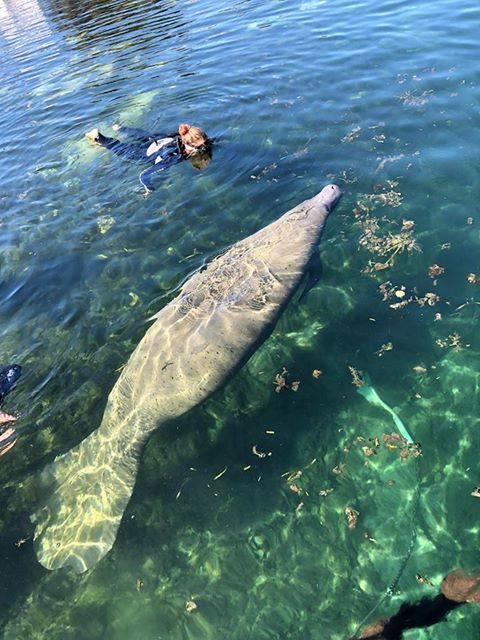
Wildlife is an active participant. Herons and kingfishers patrol the banks with patient intensity; turtles bask in sunlit patches; during cooler months manatees may visit the warm spring run, pressing their slow bodies into the clear water as if to rest in a giant, quiet tub. Respect distance and keep noise to a minimum — the river gives back what you bring.

If you’re planning a day here, arrive early to beat the peak crowds and the heat. Come prepared with reef-safe sunscreen, a dry bag for phones, and footwear that won’t flop off in current or on slippery boardwalks. For paddlers: a whistle, a basic first-aid kit, and a clear plan for your route — whether you’re doing a short loop or arranging a shuttle downstream — make the trip relaxed instead of frantic. Bring binoculars for birds, and if you’re lucky and patient, you might watch a mermaid rehearsal through the rippled surface as the performers practice breath control in a setting built on both showmanship and respect for water.

Timing here changes the experience. Winter brings potential manatee aggregations that make the spring feel like a thermal refuge; spring and fall bring comfortable air and fewer bugs; summer is lush, but afternoon storms are common. Nights are quiet; the park closes after dark, which means you’ll be trading moonlit paddles for early-morning stillness if you want to avoid people.

Weeki Wachee is an unusually compact package: natural spectacle, small-town Mid-Florida charm, and an old-fashioned entertainment tradition all in one. For travelers who want an active day with a mix of wildlife, swim time, and a slice of kitschy history, it’s hard to beat. The river will ask very little of you — mostly that you slow down — and in return it will show you the nuanced choreography of a living landscape.

If you go: plan for heat and sun, respect the wildlife, and leave the springs as clean as you found them. There’s a kind of generosity to Weeki Wachee that’s easy to take for granted until you’re halfway down the river, paddles whispering, and the park’s everyday hum feels like a well-kept secret you suddenly understand how to keep.

Why travelers should experience it: Weeki Wachee offers a unique convergence of Florida’s underwater theater history with genuinely excellent freshwater recreation — clear, swimmable springs, easy paddling, and close wildlife encounters that are accessible even to novice outdoor enthusiasts. It’s the kind of place that re-centers a trip: equal parts rest and small, active wonder.

Length & Format: This piece blends scene-setting narrative with actionable planning details and should give you everything you need to imagine the trip and make one happen.

Duration2–4 hours
Plan your visit

Trail Wisdom

Arrive early

Parking and kayak launches fill up quickly; arriving at opening gives you calm water and cooler temperatures.

Bring a shuttle plan

If you intend to paddle downstream, arrange a pick-up or plan an out-and-back; the river’s current is gentle but the distance can add up.

Respect manatee zones

Keep clear distance from manatees and follow seasonal guidelines — avoid approaching, touching or chasing marine life.

Use reef-safe sunscreen

Protect the springs and your skin with mineral-based, eco-friendly sunscreen to reduce chemical runoff.

Local Knowledge

Hidden Gems

  • The short boardwalk marsh loop at the south end — fewer people and a rich birding pocket.
  • Early-morning light on the springhead — stand on the observation deck for reflections before the crowds arrive.

Wildlife

West Indian manatee, great blue heron

Conservation Note

The park is part of broader Florida springs protection efforts; visitors are asked to use reef-safe products, pack out trash, and respect seasonal wildlife closures to minimize human impact.

Weeki Wachee’s underwater mermaid shows began in 1947 and helped define Mid-Century Florida roadside entertainment alongside the springs’ longstanding role as a natural attraction.

Seasonal Guide

spring

Best for:comfortable temperatures, wildflowers and birdwatching
Challenges:occasional spring rains, increased visitors on weekends

Spring offers mild air, active wildlife and stable water conditions — a sweet spot for paddling and hiking.

summer

Best for:swimming and cooling off, long daylight for full-day trips
Challenges:afternoon thunderstorms, heat and higher humidity

Summer invites water play but plan for storms and bring hydration; mornings are the best window for calm conditions.

fall

Best for:fewer crowds, pleasant paddling weather
Challenges:hurricane-season remnants possible, variable water clarity after rains

Fall is comfortable and quieter, with lower humidity and good paddling days between tropical systems.

winter

Best for:manatee viewing, crisp, clear light for photography
Challenges:cooler air temperatures, possible higher visitation during holidays

Winter brings migrating manatees to warm spring outflows — a unique wildlife draw, though air may be cool for swimming.

Photographer's Notes

Bring a polarizing filter to cut glare on the water and reveal submerged features; shoot early morning or late afternoon for soft light; for wildlife use a telephoto (200–400mm) to keep distance from animals, and consider a waterproof case for close-in river shots.

What to Bring

Day kayak or SUP

Essential

A stable kayak or paddleboard is the best way to experience the clear run and get close to wildlife.

Dry bag (small)

Essential

Keeps phone, keys and snacks dry during shuttles or while paddling.

Reef-safe sunscreen

Essential

Protects your skin and the spring’s ecosystem from harmful chemicals.

○

Light layers and water shoes

Quick-dry clothing and grippy shoes make launches, walks and swims comfortable.

Common Questions

Can you swim in Weeki Wachee Springs?

Yes — there's a designated swimming area near the springhead where the water is clear and a constant 72°F; always follow posted rules and lifeguard guidance.

Are mermaid shows still performed?

Yes. The park continues the long-running tradition of underwater mermaid shows in the submerged theater, typically scheduled daily; check the park’s schedule before visiting.

Do I need a permit to kayak?

No special permit is required for day paddling from the park launch, but some longer downstream trips that use private ramps or cross other jurisdictions may require permission or a shuttle plan.

When are manatees present?

Manatees are most commonly seen in cooler months when they seek the spring’s warm outflow; winter visits increase your chance of sightings.

Is the water safe to drink?

No — while the spring is clear and feels fresh, treat it as natural water; bring your own drinking supply or a filtered container.

Are dogs allowed in the park?

Pets are typically allowed in designated areas and must be leashed; they are not permitted in the swim area or in some facility zones — check current park rules.

What to Pack

kayak or paddleboard (for exploring the river), reef-safe sunscreen (protects water and skin), water and snacks (no services on the trail), dry bag for electronics (keeps gear safe while paddling)

Did You Know

Weeki Wachee’s underwater mermaid shows began in 1947 when former diving instructor Newton Perry staged the first performances, turning the spring into a national curiosity.

Quick Travel Tips

1) Book mermaid show times in advance in peak season; 2) Arrive at opening for best parking and calm water; 3) Carry cash or digital for on-site concessions; 4) Confirm park hours — they can vary seasonally.

Local Flavor

Hernando County’s roadside culture mixes seafood shacks and old-Florida diners — grab a fresh grouper sandwich or local citrus pie after a morning on the river for a true regional finish.

Logistics Snapshot

Know before you go: park opens early, swim area and mermaid shows are seasonal; rentals may be available nearby but bring your own paddling gear for flexibility; manatees attract winter visitors — observe from a distance.

Sustainability Note

Keep a low footprint: use reef-safe sunscreen, pack out waste, stay on marked trails, and maintain respectful distance from manatees and nesting birds to protect habitats.

Topics