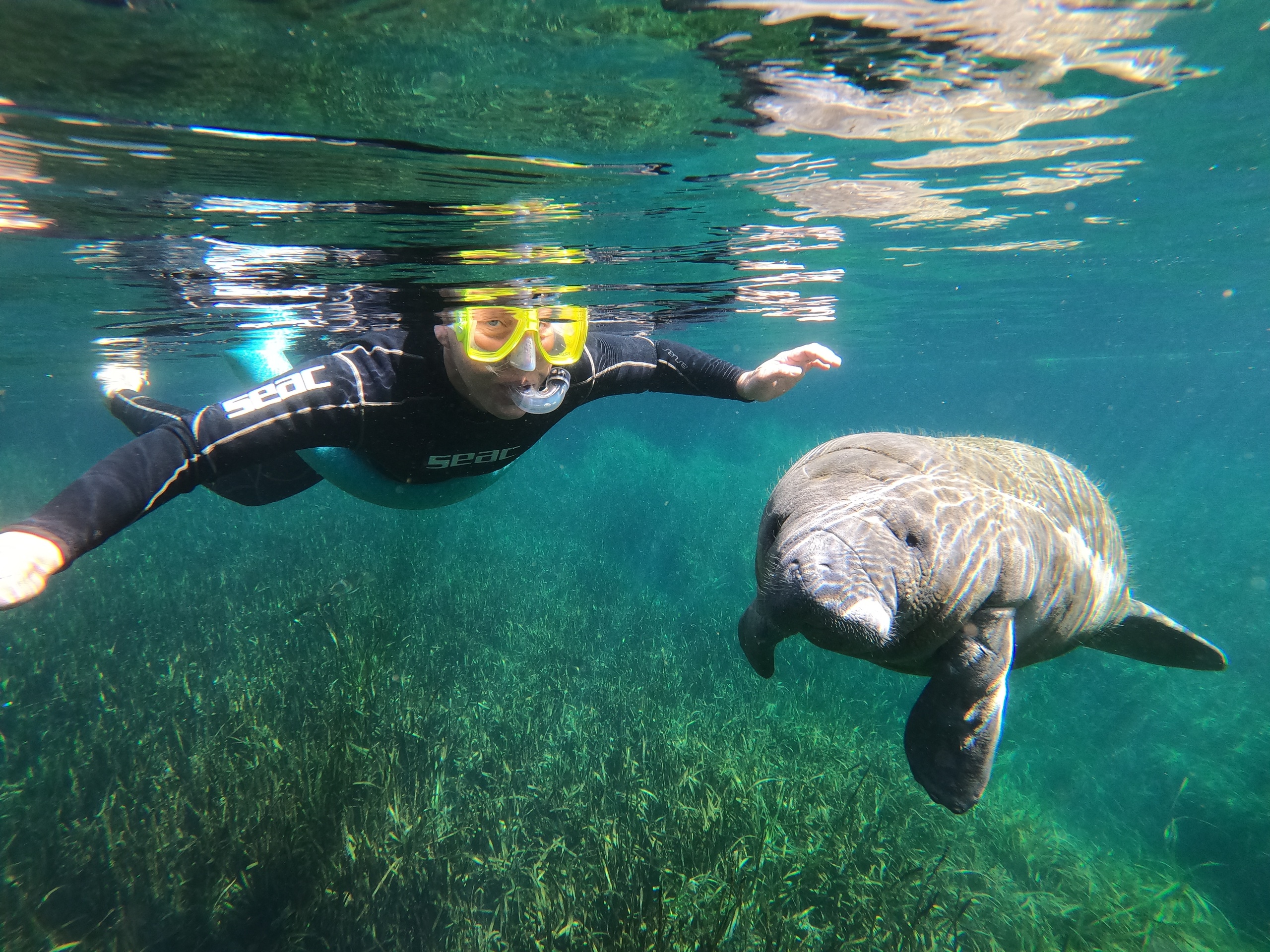
Close Encounters at Kings Bay: A Winter Cruise Through Manatee Country

Close Encounters at Kings Bay: A Winter Cruise Through Manatee Country

A 90-minute covered cruise into the winter refuge where gentle giants gather

Continue Reading

The boat hums awake before dawn, a low, steady promise beneath a sky that’s holding the last of the humidity from the Gulf. We ease away from the dock into Kings Bay’s glassy surface and the town—small, citrus-scented, and easy to read—slips into a frame of mangroves and saltgrass. The vessel is covered, warm, and built for looking: benches, wide windows, and a quiet that encourages soft voices. Not long after the shoreline becomes a green blur, a pale bulk surfaces with a curious, unhurried lift. A manatee breathes, the water kisses its snout, and for a moment the whole world centers on that gentle exhalation. It’s the kind of wildlife moment that makes you understand why people still show up, season after season, to these spring-fed waters.

Kings Bay sits at the heart of Crystal River, a karst landscape of limestone and freshwater springs that has long shaped human and natural communities here. The springs—clear, constant, and unusually warm in winter—create a microclimate that draws West Indian manatees escaping colder Gulf waters. The area is not merely scenic; it’s geologic and ecological infrastructure. Native peoples, early pioneers, and later commercial fishermen all oriented themselves around these springs, and today the Crystal River National Wildlife Refuge protects a living remnant of that history: a winter sanctuary where manatees congregate in astonishing numbers.

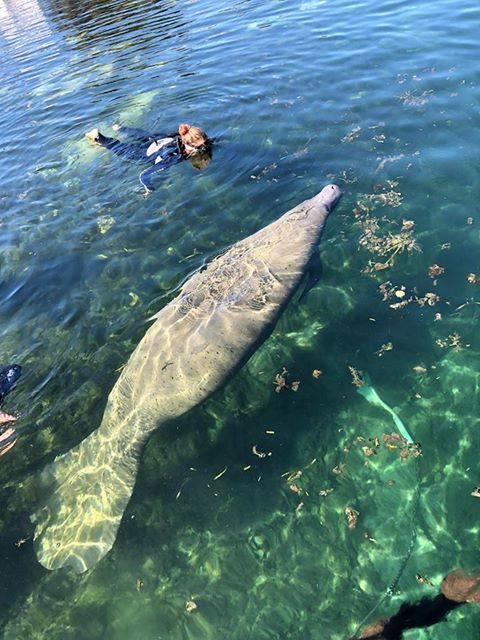
This 90-minute scenic boat ride is designed as a calm, respectful viewing experience. It’s not a swim-with-manatee activity; the vessel stays at distance, offering close but regulated observation of the animals and the other creatures that share the bay—river otters threading the shallow grass, turtles basking on half-submerged logs, and osprey spiraling to fish. On colder mornings, steam rises in thin veils from the clearer springs and the manatees pool in predictable hollows. On warmer days, they’re more dispersed, nibbling seagrass or rolling quietly near the surface. Guides on the boat read the water and the animals’ behavior, pointing out distinguishing features—barnacle patterns, paddle scars, the slow blink of an animal that has no predators but many human-minded hazards.

The practical side is simple and important: this is a viewing tour. Cameras, binoculars, and patience are the best tools. The covered boat offers protection from sun and occasional showers, but the temperature near the water can feel different than on land, so layers are useful. The tour’s moderate pace gives ample opportunity to learn about local conservation efforts: signage along the shore, quiet motor restrictions in the refuge, and a culture of stewardship among local captains who have chosen to work within the refuge rules rather than skirt them.

Crystal River’s identity mixes small-town Florida with a livelihood tied to water—fishing, scalloping, and tourism. The town’s economy bends around the seasons. In winter, manatee season brings repeat visitors, researchers, and volunteers. In summer, the same waters serve swimmers, paddleboarders, and anglers. That rhythm shapes everything from local eateries to the schedules of charter captains. It also means visitors who come armed with curiosity and good behavior are welcomed; those who approach the animals incorrectly are politely, and sometimes firmly, kept at bay.

Why take this cruise? It’s low-effort, high-reward wildlife viewing with minimal environmental impact when done correctly. The boat is sheltered and accessible for most ages and fitness levels, the duration (90 minutes) fits well with a morning or afternoon schedule, and the guides tend to be local—born or long-resident here—and good sources of practical intel about where to paddle later, which local seafood spots do the best oysters, and how to time a visit to avoid crowds. The cost is approachable (starting at about $35), and bookings are instant, making it an easy add-on to a Florida itinerary.

For photographers the light in Kings Bay is a gift: early and late-day angles often flatten background clutter and let the gray-brown forms of the manatees read against a blue or green canvas. A telephoto 100–300mm is handy for detail shots; a polarizer cuts glare and deepens underwater greens. But the best images often come from patient observation rather than reaction—waiting for a gentle roll, a tail flick, or the slow exhale that draws the eye.

Practical tips: go in winter—December through March brings the most dependable concentrations; book a morning cruise when manatees are most active and the water is glassy; bring a small pair of binoculars and a light jacket; and respect the refuge rules—no swimming from this tour, no approaching animals in the water, and no feeding. Conservation here is active and visible: local guides enforce distance rules, the refuge posts seasonal closures, and most captains operate on a leave-no-trace ethic that benefits the animals and the next visitor’s experience.

On the dock return, you’ll carry a new sense of scale for both the manatee’s slow life and the economic, geological, and cultural forces that protect it. That is the quieter takeaway of the cruise: it’s a natural spectacle, yes, but also a reminder of how human choices—local policies, tour operator practices, and visitor behavior—make that spectacle possible. The boat pulls in, the town reappears, and with a soft backward glance you understand why people come back to Kings Bay year after year: to watch a deep-breathed animal navigate a human-shaped world, and to be reminded how fragile and resilient that world can be.
Duration90 minutes
Group Size1–16 Guests
LanguagesEnglish
Rating4.8 (69 reviews)
Plan your visit

Trail Wisdom

Book morning departures

Manatees are most active in calm, cooler morning water; earlier tours mean smoother glass and better sightings.

Bring a polarizing filter

A polarizer reduces glare and reveals underwater shapes when photographing or scanning the shallows.

Respect viewing distance

This is a viewing-only cruise—do not attempt to swim out to or touch manatees; fines and penalties can apply.

Layer up

Even in Florida, mornings on the water can be cool—pack a light jacket and sun protection.

Local Knowledge

Hidden Gems

  • Paddle the quieter mangrove channels at low tide for close birding
  • Visit nearby riverside trails for sunset views and fewer crowds

Wildlife

West Indian Manatee, River Otter

Conservation Note

The refuge enforces no-wake zones and seasonal protections; visitors should avoid feeding or approaching manatees and choose licensed operators who follow refuge rules.

Kings Bay and the Crystal River springs have supported indigenous communities and later commercial fisheries; the area’s springs led to the creation of a national wildlife refuge focused on manatee protection.

Seasonal Guide

spring

Best for:Warmer weather, Less crowded afternoons
Challenges:Manatees disperse as temperatures rise, Afternoon thunderstorms

Spring sees warmer, more changeable weather and fewer tight manatee aggregations—good for quieter cruises and mixed wildlife viewing.

summer

Best for:Warm water activities, Kayaking and fishing
Challenges:Fewer concentrated manatee sightings, Higher heat and humidity

Summer draws swimmers and paddlers; manatees are more dispersed and guided viewing is still possible but less guaranteed.

fall

Best for:Mild weather, Transition wildlife activity
Challenges:Unpredictable Gulf conditions, Early cold snaps bring sudden crowds

Fall offers pleasant temperatures and evolving birdlife; early chill can accelerate manatee returns to springs.

winter

Best for:Manatee aggregation viewing, Photographic light in mornings
Challenges:Peak season crowds, Cooler mornings

Winter is prime manatee season—best for reliable sightings but expect higher visitation and book ahead.

Photographer's Notes

Shoot in the morning for calm water and softer light; use a polarizer to cut glare and a mid-telephoto lens (100–300mm) for detail shots; pre-focus on likely feeding areas and be patient—manatee movements are slow but decisive.

What to Bring

Polarizing filter for camera

Essential

Cuts surface glare and improves visibility into the water for better photos.

Binoculars (8x–10x)

Essential

Helps scan for distant animals and read subtle surface behaviors without disturbing them.

Light waterproof jacket

Essential

Provides warmth and wind protection on cooler morning cruises.

Sunscreen and hat

Essential

Protects against sun exposure even on overcast days; reflected light from water increases UV.

Common Questions

Can I swim with the manatees on this tour?

No. This is a viewing-only cruise; swimming with manatees is not permitted from this vessel.

How long is the cruise?

The scenic boat ride is approximately 90 minutes.

What wildlife might I see besides manatees?

Expect river otters, turtles, osprey, and various shorebirds; dolphins are occasionally seen in nearby waters.

Are children welcome?

Yes. The covered boat and calm pace make this suitable for families; supervise children near the rail.

Do I need to book in advance?

Advance booking is recommended in winter months when manatee season brings peak demand; confirmations are instant.

Are there age or mobility restrictions?

Most people can participate, but boarding can require a few steps—contact the operator ahead for accessibility accommodations.

What to Pack

Binoculars for distant sightings; polarizing filter for photography; light waterproof jacket for mornings; reef-safe sunscreen to protect skin and the environment

Did You Know

Crystal River is home to the Crystal River National Wildlife Refuge, established specifically to protect a significant winter aggregation site for the endangered West Indian manatee.

Quick Travel Tips

Book morning tours in winter; bring reef-safe sunscreen; arrive 15 minutes early for check-in; park at the main launch lot and expect limited cell service on parts of the bay

Local Flavor

After the cruise, head to waterfront cafes and seafood shacks in downtown Crystal River for oysters or fried grouper; local shops sell manatee-themed crafts and guides can recommend quieter spots for sunset beers.

Logistics Snapshot

Closest airport: Tampa International Airport (TPA) ~1 hour 15 minutes drive; Trailhead/Launch: Crystal River public docks; Driving distance from nearest town: tour departs from downtown Crystal River; Cell service: intermittent on the water; Permits: none for passengers but operators follow refuge regulations.

Sustainability Note

This area is managed to protect manatees and spring ecosystems—avoid feeding wildlife, use reef-safe sunscreen, keep noise low, and choose licensed operators who respect no-wake zones.

Topics

Included

  • Parking Fees

Good to Know

  • Infants and small children can ride in a pram or stroller
  • Service animals allowed
  • Suitable for all physical fitness levels