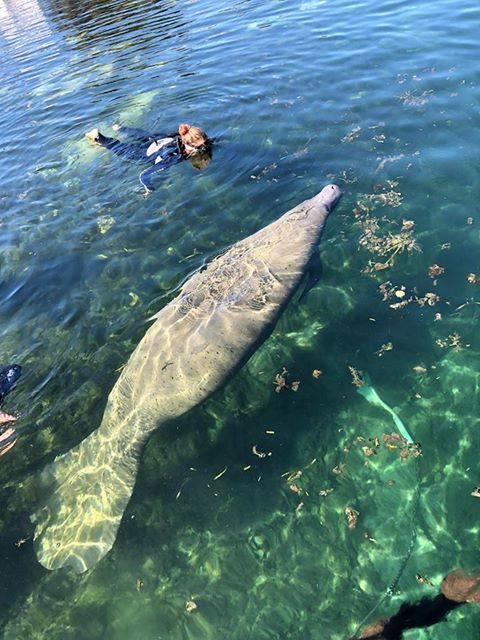
Slow Dance with Giants: A Private Manatee Snorkel in Crystal River

Slow Dance with Giants: A Private Manatee Snorkel in Crystal River

A serene, three-hour swim with wild manatees in Florida’s spring-fed sanctuary—private boat, expert guidance, and respectful encounters.

Continue Reading

Steam lifts off the spring-fed water as the sun clears the oaks, and the bay exhales. You step onto the dock and the refuge seems to notice—ibis shuffle along the shoreline, mullet flicker like silver punctuation, and somewhere below, a shape the size of a sofa turns and drifts. The current nudges, gentle but insistent, as if the river has plans for you today. This is Kings Bay in Crystal River, Florida, a 600-acre sanctuary where freshwater springs run a steady 72 degrees and winter draws in the ocean’s gentlest nomads. In a few minutes, you’ll slip into their world.

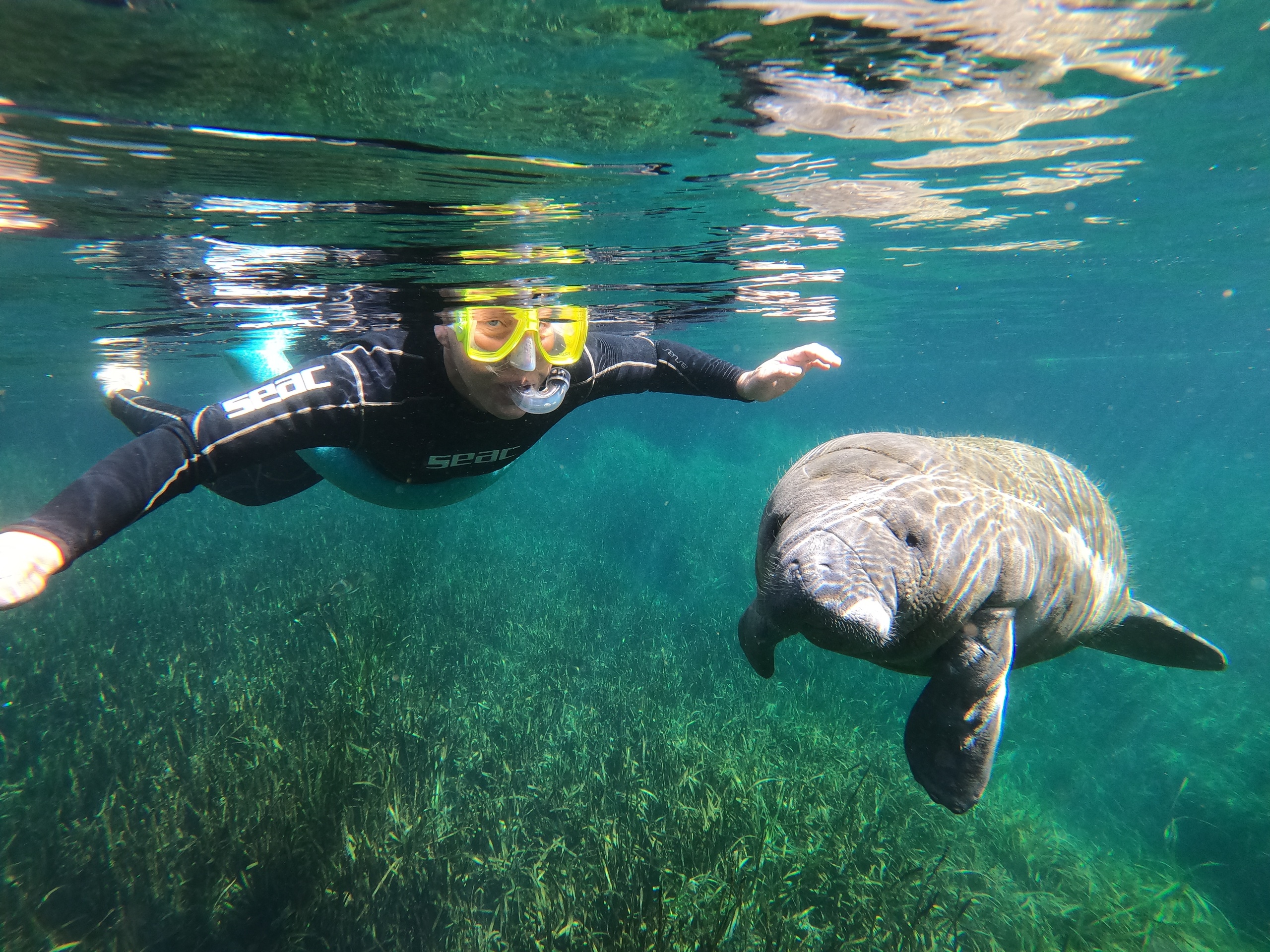
A private boat cuts a quiet path through the refuge, and your guide runs through a clear, calm briefing: passive observation, slow movements, minimal kicking, no touching—ever. The manatees choose the interactions here. Some will drift past like soft shadows, a tail pulse and they’re gone. Others might hover, curious, and look you straight in the eye. It’s a simple exchange: you offer patience, the bay rewards you with presence. It’s why this private manatee tour in Crystal River is consistently praised—privacy gives you room to be still, and stillness is how manatees let you in.

Crystal River is a rare intersection of geology and biology. More than 70 springs feed Kings Bay, their water filtered through porous limestone like a giant natural sieve. When the Gulf of Mexico cools, West Indian manatees retreat to this warmth, turning the bay into a living winter sanctuary. The Crystal River National Wildlife Refuge, established in 1983, was created to protect that migration. The rules are strict for a reason: prop scars—those pale, jagged lines you might see on a manatee’s back—tell the story of what happens when humans get careless. The refuge pushes back, insisting on good behavior so these animals can keep returning.

The tour begins before the boat. There’s a short nature walk—palmetto, pine, and mangrove breathing in salt and spring water—on your way to the dock. If you’re lucky, you might spot a manatee cruising the canal before you even board. Your crew helps with gear: wetsuits and snorkels included, a snug mask fit checked twice. They walk you through techniques that matter most here: float like driftwood, use small fin kicks, keep hands in and movements slow. You’re entering the manatee’s living room; you behave like a quiet guest.

Slip into the water and the bay wraps you in its mineral warmth. Vision narrows to the world inside your mask: tiny bubbles skip toward the surface; eelgrass sways like a green metronome. The river encourages unhurried breathing. And then—a large, pale form materializes, the curve of a flipper delicately steering. Manatees move like time at half speed, and the bay mirrors them, demanding your patience and rewarding your restraint. If one approaches, you hold still. The river has its etiquette; follow it and you’ll get your moment.

Crystal River is as much story as it is scenery. Long before manatees became the headline, the region thrived as a ceremonial center for Indigenous cultures. The nearby Crystal River Archaeological State Park preserves earthwork mounds more than a thousand years old. On the water, modern life takes a softer rhythm: scallop season brings families and fanfare in summer; winter hums with the quiet awe of wildlife watchers. That blend—Florida as both playground and refuge—is what makes a Crystal River snorkeling with manatees experience so distinct.

Back on the boat, hot chocolate appears on cold days, stories swap, and cameras fill with fogged-lens smiles. You’ll rinse off at the end—showers are available—and step back onto dry land with a low-lantern calm, the kind that lingers after you’ve met something wild without disturbing it. This tour is designed for beginners through advanced snorkelers, and it’s fully focused on respectful encounters. Remember: manatees decide how close they get. Your role is to be present, patient, and quiet.

Planning is simple. Tour time runs about three hours, including a wildlife education session and snorkel briefing. Mornings see calmer water and less boat traffic, though crystal-clear days can happen anytime. A private charter means no jostling in the water; you set the pace with your crew and follow the animal’s lead. Bring a towel and warm layers in winter, and consider a long-sleeve rashguard any time of year to minimize sunscreen use in these sensitive springs. The team provides wetsuits and gear, but if you have a favorite mask, bring it.

If your curiosity extends beyond the water, make a day of it. Walk the boardwalk at Three Sisters Springs to watch manatees rest from above. Explore the archaeological mounds at sunset when the marsh lights up gold and birds commute overhead. Then refuel with Gulf shrimp or a grouper sandwich and toast to a day where Florida showed up at its best: wild, generous, and unforgettable. When you’re ready to go, you can book a private boat tour easily online and step straight into the refuge—the crew’s “daily office”—where the river does the welcoming.

In the end, the magic is restraint. The bay will nudge; the manatees will decide. Move slowly and the water expands around you. The springs hum beneath the surface, the grass keeps time, and a gray giant exhales—a sound like a soft laugh—and disappears into the underwater light. Crystal River doesn’t rush. It invites. And if you let it, it teaches you to move at the speed of a manatee.

Duration2.5–3 hours
Plan your visit

Trail Wisdom

Master Passive Observation

Float still with hands tucked in and use slow, gentle fin kicks. Manatees approach more often when you’re quiet and calm.

Go Early for Clearer Water

Morning launches typically mean calmer conditions and fewer boats, improving visibility and reducing noise.

Dress for the Springs

The water stays about 72°F year-round—use the provided wetsuit and bring a warm layer for the boat ride in winter.

Protect the Springs

Skip lotions before swimming and wear a long-sleeve rashguard instead; it helps keep the springs clean for wildlife.

Local Knowledge

Hidden Gems

  • Three Sisters Springs boardwalk for overhead manatee viewing on cold mornings
  • Hunter Springs Park for a calm shoreline stroll and sunset colors

Wildlife

West Indian manatee, Osprey

Conservation Note

Follow U.S. Fish & Wildlife Service rules: passive observation, no-touch, and minimal disturbance. Avoid sunscreen before swimming to keep the springs clear and healthy.

Crystal River National Wildlife Refuge (est. 1983) protects vital winter habitat for manatees; nearby Crystal River Archaeological State Park preserves pre-Columbian mound sites.

Seasonal Guide

spring

Best for:Fewer crowds, Mild air temps
Challenges:Variable visibility after rains, Windy afternoons

Spring offers balanced conditions with comfortable air temps and fewer visitors than peak winter months.

summer

Best for:Warm air temps, Family outings
Challenges:Afternoon storms, Busier waters and scallop season traffic

Summer brings lively bay activity and warm days; go early to avoid storms and boat congestion.

fall

Best for:Quiet mornings, Transitional wildlife activity
Challenges:Occasional tropical systems, Water clarity shifts

Fall is a shoulder season with calmer scenes and the first cool fronts hinting at winter manatee concentrations.

winter

Best for:Peak manatee numbers, Consistent spring temperatures
Challenges:Chilly air temps, Sanctuary closures in extreme cold

Cold snaps draw the highest manatee counts into the springs; plan for brisk mornings and follow all refuge closures.

Photographer's Notes

Shoot in the first hour after sunrise for calmer water and softer light. Use an action camera on a short handle or wrist mount to keep a low profile. Set white balance for freshwater, shoot at 60 fps for smooth motion, and position yourself up-sun so backscatter is minimized. Most important: hold still and wait for the manatee to enter your frame.

What to Bring

Wetsuit (provided)

Essential

Maintains core warmth in 72°F water and improves buoyancy for quiet floating.

Long-sleeve rashguard

Essential

Reduces sun exposure and limits the need for sunscreen in sensitive spring habitats.

○

Waterproof action camera with wrist tether

Hands-free video lets you keep a low profile while capturing encounters without disturbing wildlife.

Warm hat and dry layer

Essential

Keeps you comfortable after exiting the water on brisk mornings or windy boat rides.

Common Questions

Can I touch or feed the manatees?

No. Federal regulations require passive observation. Do not touch, chase, corner, or feed manatees. Let them choose any interaction.

Do I need to be an experienced snorkeler?

No. This tour welcomes beginners through advanced snorkelers. A full briefing and in-water tips are provided to help you move calmly and safely.

What’s the best time of year to see manatees?

Winter (December–February) draws the highest concentrations as manatees seek warm spring water. Sightings are possible year-round, but fewer in summer.

What’s included with the tour?

Wetsuits, snorkel gear, wildlife education, a safety and snorkel briefing, boat time in the refuge, and post-trip showers. Water is provided, with hot chocolate on colder days.

How cold is the water?

The springs hold steady around 72°F year-round. A wetsuit is recommended to stay warm while floating quietly.

What happens if the weather is bad?

Tours may be rescheduled or canceled for safety due to storms or high winds. Your crew will monitor conditions and communicate options.

What to Pack

- Towel and dry clothes: You’ll appreciate warm, dry layers after your swim. - Long-sleeve rashguard: Sun protection without adding chemicals to the springs. - Refillable water bottle: Stay hydrated before and after the snorkel. - Action camera with wrist tether: Capture moments hands-free while keeping a low profile.

Did You Know

Crystal River’s Kings Bay hosts more than 70 freshwater springs, keeping water around 72°F year-round and making it one of the most important winter refuges for manatees in the United States.

Quick Travel Tips

- Book early morning departures for clearer conditions and quieter water. - In winter, arrive with warm layers for the boat ride and post-swim. - Parking near popular launches can fill—arrive 30 minutes early. - Check refuge advisories for temporary spring closures during cold snaps.

Local Flavor

Refuel with Gulf-to-table fare at waterside spots around Kings Bay—think fresh grouper sandwiches and stone crab when in season. Pair your paddle with a sunset walk at Three Sisters Springs, then grab key lime pie and a local beer while manatee stories swap across the table. Nearby Homosassa adds shrimp boats and old Florida vibes to round out the day.

Logistics Snapshot

Closest airports: Tampa (TPA) ~1.5 hours; Orlando (MCO) ~2 hours. Launch area: Kings Bay, Crystal River. Expect a short nature walk to the dock. Drive time from downtown Crystal River: 5–10 minutes. Cell service: Generally good near town; can be spotty on the bay. Permits: No personal permit needed for guided tours; follow all U.S. Fish & Wildlife Service rules and any temporary spring closures.

Sustainability Note

This tour operates inside Crystal River National Wildlife Refuge—observe passively, avoid touching or chasing wildlife, and keep chemicals out of the water by using sun-protective clothing instead of sunscreen.

Topics