Slow Breath, Clear Water: Semi-Private Manatee Snorkeling in Crystal River

Slow Breath, Clear Water: Semi-Private Manatee Snorkeling in Crystal River

NEVER Over Crowded on our Boats • Shared Boats • Beginner to Advanced Snorkelers • 9 Guests Per Boat

Continue Reading

Dawn arrives as a soft hush over Kings Bay, the water exhaling a thin, silvery steam into the cool Florida air. The springs hold at a steady 72 degrees, no matter the season, and this morning they behave like patient lungs—steady, certain, welcoming. Your small boat hums out from the dock with just a handful of fellow adventurers aboard, nine guests max, the bay still enough to hear the clink of a mask buckle. Somewhere ahead, the river keeps its own rhythm, and the manatees—those gray, gentle submarines—surfacing with the tempo of their slow, deliberate hearts, invite you into their pace.

This is Crystal River, where the aquifer pushes ancient water through limestone and into a maze of spring-fed coves and channels. In winter, manatees migrate here en masse to warm up, turning Kings Bay’s protected waters into a living classroom of conservation and calm. On this semi-private experience, group size matters: fewer people means less commotion, clearer encounters, and the space to simply float and watch. Wetsuits, snorkels, and masks are included; there’s hot chocolate on cool days, snacks ready on the boat, and even a hot shower waiting at the shop after you towel off. You can book an in-water guide to capture photos, or keep the moment all to yourself. If you’re ready to plan, the Crystal River manatee snorkeling tour offers an easy, streamlined way to go.

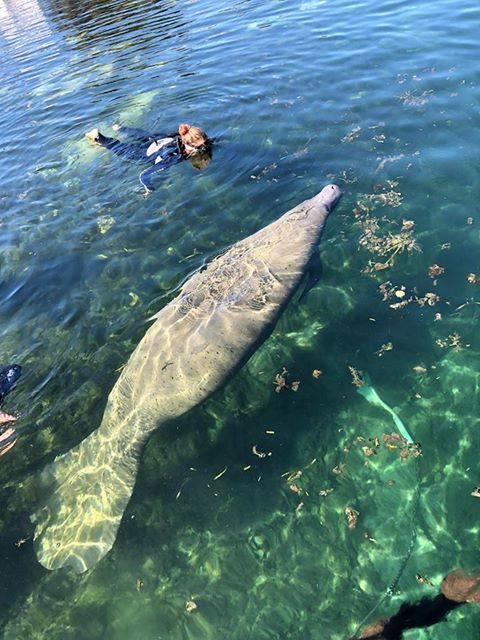
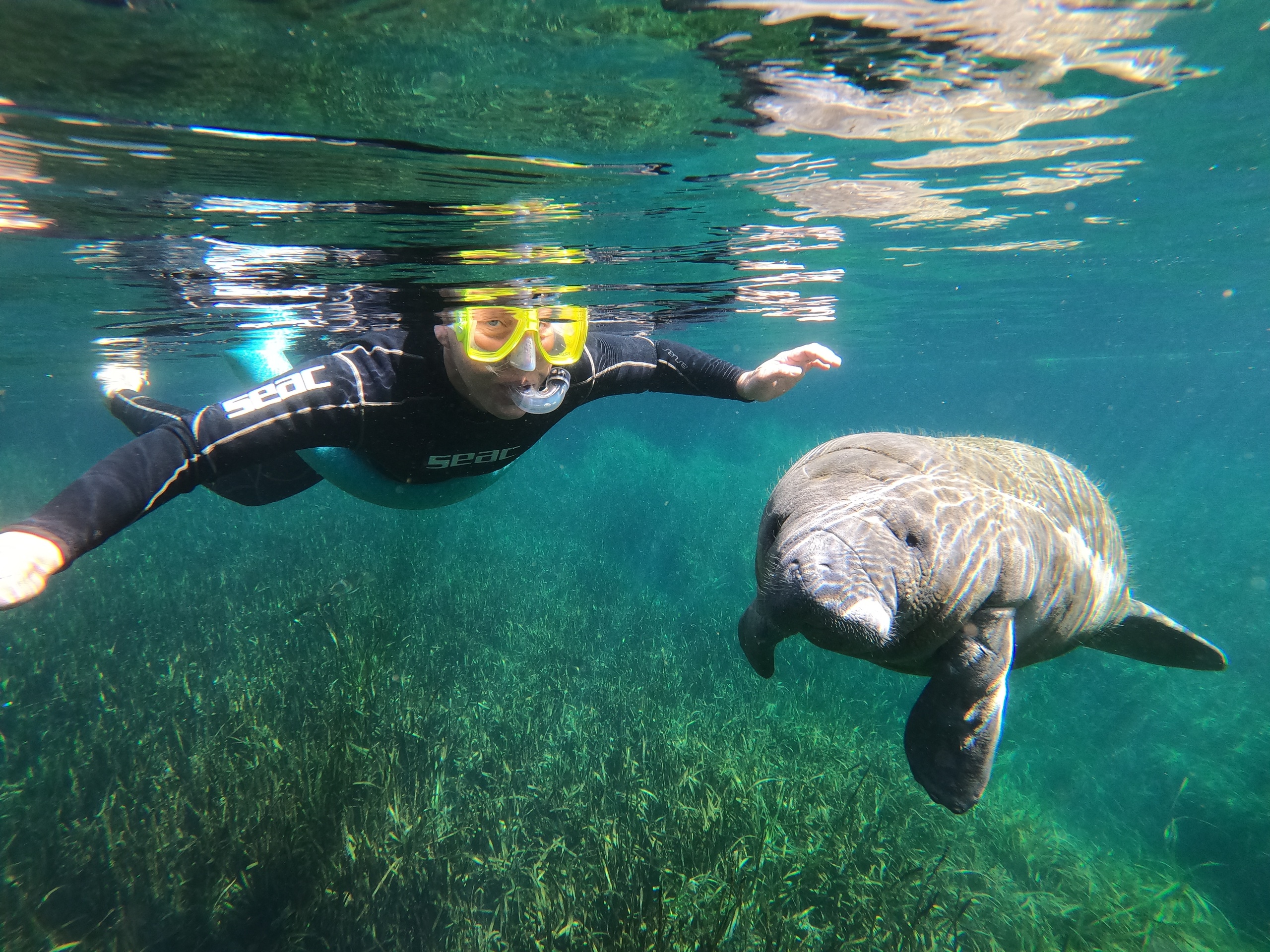
Out on the bay, the water turns from tea-stained to spring-clear in a blink, and you slide in with a gentle splash. The current nudges forward—never rushed, just a suggestion. Seagrass meadows sway like slow choreography beneath you. The moment a manatee drifts into view, time opens; the animal appears as a shadow first, then a presence, massive yet unrushed, a boulder that breathes. You hold still, arms tucked, lungs shallow so your bubbles don’t chatter. The manatee decides what happens next. Federal rules call it “passive observation”—no chasing, no touching, no cornering—and that framework is the real magic here. The animal leads; you accept the grace you’re given.

Kings Bay is part of a 588-acre protected refuge, a slice of the Crystal River National Wildlife Refuge. The place exists because manatees needed somewhere dependable to winter as development reshaped Florida’s coast. The geology made the case: karst limestone riddled with spring vents, feeding pockets like Three Sisters Springs, where crystalline channels glow aquamarine. In a state known for theme-park frenzy, this is the opposite—nature at a whisper, not a shout. The refuge has turned the surrounding town into a small hub of eco-minded hospitality. Local captains know the currents by feel, and on this trip, that expertise—and the small group size—makes all the difference.

Back on the boat, your captain layers the experience with context: how boat speed zones protect manatees from prop strikes; how invasive species can snarl a balanced system; why seagrass restoration matters to these herbivores who feed quietly all day. Before or after your time in the water, the included eco-walk adds another lens—native fish, turtles, snakes, the web of the ecosystem. It’s not just entertainment; it’s the homework that helps you be a better guest in their home.

When is the best season? Winter draws the largest numbers as cold fronts roll in from the Gulf, yet the springs never close and the bay remains alive year-round. In spring and fall, you often trade big crowds for quieter water and crisp mornings. Summer swims demand a slower, more searching eye, but the water clarity and the chance of a tranquil encounter still reward. Early starts help. So does patience. Manatees are wild animals; their schedule is theirs, not yours. That’s part of the appeal.

Plan on 3 to 3.5 hours, including check-in and gear fitting. Wear the wetsuit; it’s buoyant and warm. Move like a leaf, not a motor. Keep your body flat, legs quiet. The springs will carry you; you don’t need to kick. Your guide may suggest a few basics—mask clearing, surface breathing technique, how to keep your fins away from seagrass—and then the water takes over. If a manatee is curious, it may drift near, rolling slightly as if considering you. If not, you’ll witness something quieter: a herd napping at the bottom, a mother and calf grazing, a tail lifting like a slow flag.

Afterward, coffee or tea back at the shop warms your hands, and the hot shower feels like a small luxury. The bay’s breath follows you into town: seafood shacks and low-key cafes, boardwalks where egrets stalk the flats, and side trips to Three Sisters Springs or the Crystal River Archaeological State Park. Your best souvenir is the pace you carried from the water—a recalibration to unhurried. For planning details and booking options, start with this semi-private Crystal River manatee snorkeling experience, which keeps the focus on fewer guests, better encounters, and a respectful approach to one of Florida’s most iconic wildlife moments.

In the end, the river teaches a simple lesson. Nature sets the tempo. The springs keep their steady breath. And the manatees, unbothered and immense, drift through like living anchors—reminding you to lighten your kick, quiet your mind, and let the water carry you exactly where you need to go.

Duration3–3.5 hours
Plan your visit

Trail Wisdom

Master the slow float

Keep your body flat and motion minimal—slow, quiet movements lead to calmer manatee encounters and clearer photos.

Dress for the dock, not just the swim

Even with a wetsuit, mornings can feel cool; bring a warm layer for the boat ride back, especially in winter.

Protect the springs

Use mineral-based sunscreen sparingly and avoid spraying near the water; better yet, wear a long-sleeve rash guard to limit lotions.

Mind the rules, maximize the magic

Follow passive observation guidelines—no chasing or touching—and you’ll see more natural behavior up close.

Local Knowledge

Hidden Gems

  • Three Sisters Springs boardwalk for a top-down view of crystal-clear vents
  • Crystal River Archaeological State Park’s temple mounds at sunset

Wildlife

West Indian manatee, Osprey

Conservation Note

Respect idle-speed zones, avoid standing on seagrass, and use minimal, mineral-based sunscreen. Follow passive observation rules to reduce stress on manatees.

Crystal River National Wildlife Refuge was established in 1983 to protect critical manatee habitat; Kings Bay’s springs have attracted people and wildlife for millennia.

Seasonal Guide

spring

Best for:Clear water after cold fronts, Quieter crowds
Challenges:Variable manatee numbers, Cool mornings

Shoulder-season calm with lingering winter clarity; sightings can be excellent, especially early in the day.

summer

Best for:Warm air temps, Long daylight
Challenges:Fewer manatees, Afternoon thunderstorms

Manatee numbers dip, but early starts and spring runs still deliver tranquil swims and great visibility.

fall

Best for:Stable weather windows, Gradual return of manatees
Challenges:Hurricane season overlap, Shifting water clarity

As waters cool, manatees drift back in; book flexible dates and go early for the best water.

winter

Best for:Peak manatee counts, Pristine spring clarity
Challenges:Chilly air temps, Higher demand

Prime season. Cold fronts concentrate manatees in spring areas—reserve early and bring a warm layer for post-swim.

Photographer's Notes

Shoot in the first morning light for glassy surfaces; keep your kicks minimal to avoid bubbles. Try a gentle over-under (split) shot near clear spring vents, and turn off your flash—ambient light preserves natural color. A small red or magenta filter isn’t necessary in shallow springs; instead, focus on level horizons and patient framing.

What to Bring

Reusable water bottle

Essential

Staying hydrated helps you stay warm and comfortable before and after the swim.

Mineral-based sunscreen or rash guard

Essential

Protects skin and the spring environment; apply well before entering the water or cover up with fabric.

○

Warm layer (fleece or insulated jacket)

Air temps can feel chilly after the swim; a cozy layer makes the ride back comfortable.

○

Action camera with wrist tether

Hands-free video keeps your movements minimal and your photos steady around wildlife.

Common Questions

When is the best time of year to see manatees in Crystal River?

Winter (December–February) is peak season as cold fronts draw manatees into the 72°F springs. Spring and fall can also be excellent with fewer crowds; summer has fewer manatees but still offers clear spring runs.

Do I need to be an experienced swimmer or snorkeler?

No. This tour welcomes beginners. You should be comfortable floating at the surface and using a mask and snorkel; the included wetsuit adds buoyancy and warmth.

Are wetsuits, masks, and snorkels provided?

Yes. Wetsuits, masks, and snorkels are included at no extra charge. Towels and hot showers are available back at the shop.

Can we touch or feed the manatees?

No. Interactions are strictly passive: no touching, chasing, feeding, or cornering. Let the manatees choose the encounter for an ethical, natural experience.

What’s the water temperature and will I get cold?

The springs stay around 72°F year-round. The wetsuit helps, but bring a warm layer for the boat ride, especially in winter.

Is the water calm, and will I get seasick?

Kings Bay is a sheltered, spring-fed system with generally calm conditions, so seasickness is uncommon.

What to Pack

Swimsuit and quick-dry towel: you’ll suit up on site and appreciate drying off fast; Warm layer: winter air can feel cool after a 72°F swim; Reusable water bottle: hydrate pre- and post-boat; Waterproof case for phone/ID: keep essentials safe and dry.

Did You Know

Crystal River National Wildlife Refuge, established in 1983, protects one of North America’s largest wintering populations of West Indian manatees, drawn by springs that remain about 72°F year-round.

Quick Travel Tips

Book the earliest tour for calmer water and fewer boats; Arrive 30 minutes early to get fitted for your wetsuit without rushing; Avoid lotions just before the swim—use a rash guard instead; Build in extra time to visit Three Sisters Springs’ boardwalk after your tour.

Local Flavor

Post-dive, refuel at The Crab Plant for just-off-the-boat seafood with bay views, or sip local at Copp Winery & Brewery. Stroll the Heritage Village for small-town shops, then catch sunset at Fort Island Gulf Beach to close out your springs-to-sea day.

Logistics Snapshot

Closest airports: Tampa (TPA) ~1.5–2 hours, Orlando (MCO) ~2 hours. Launch sites are in Crystal River near Kings Bay; allow 5–10 minutes from most in-town lodging. Cell service is generally good in town and moderate on the bay. No permits required for guided tours; follow U.S. Fish & Wildlife Service rules for manatee encounters.

Sustainability Note

This spring system shelters a federally protected species—pack out all trash, avoid standing on seagrass, use minimal mineral-based sunscreen, and give manatees the right of way.

Topics