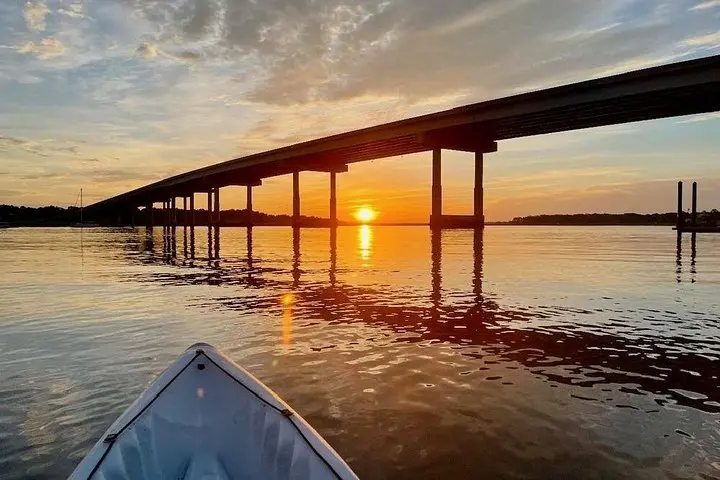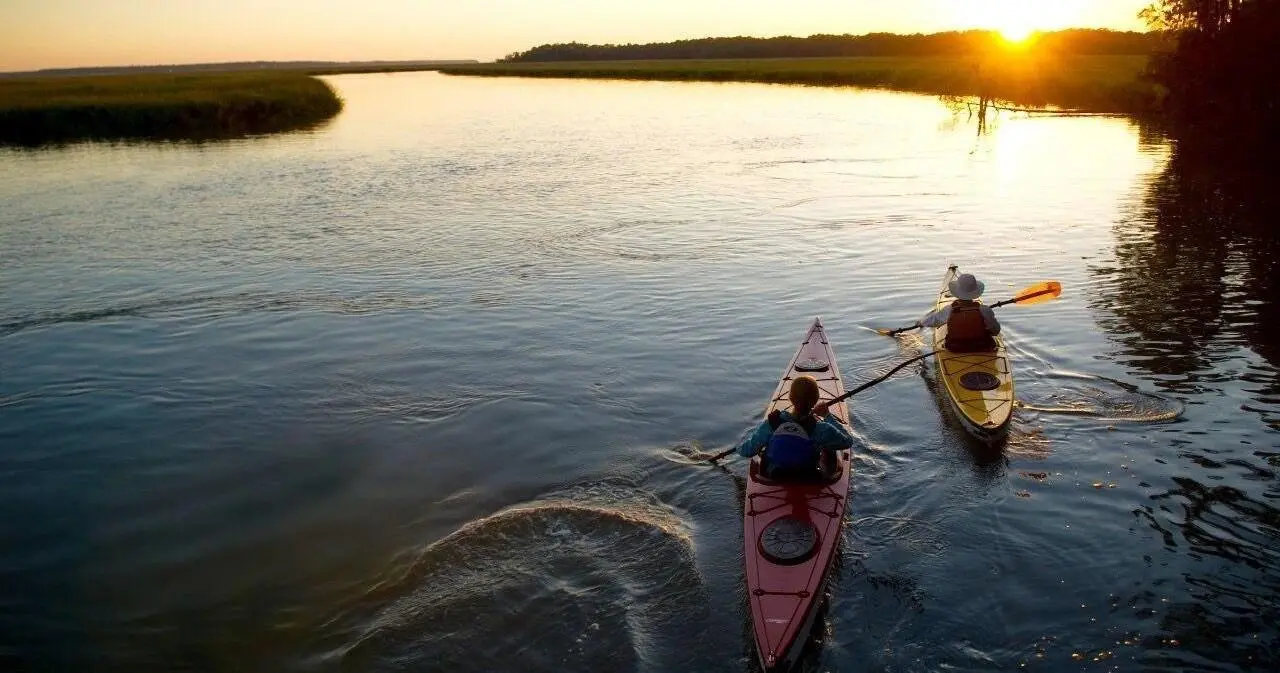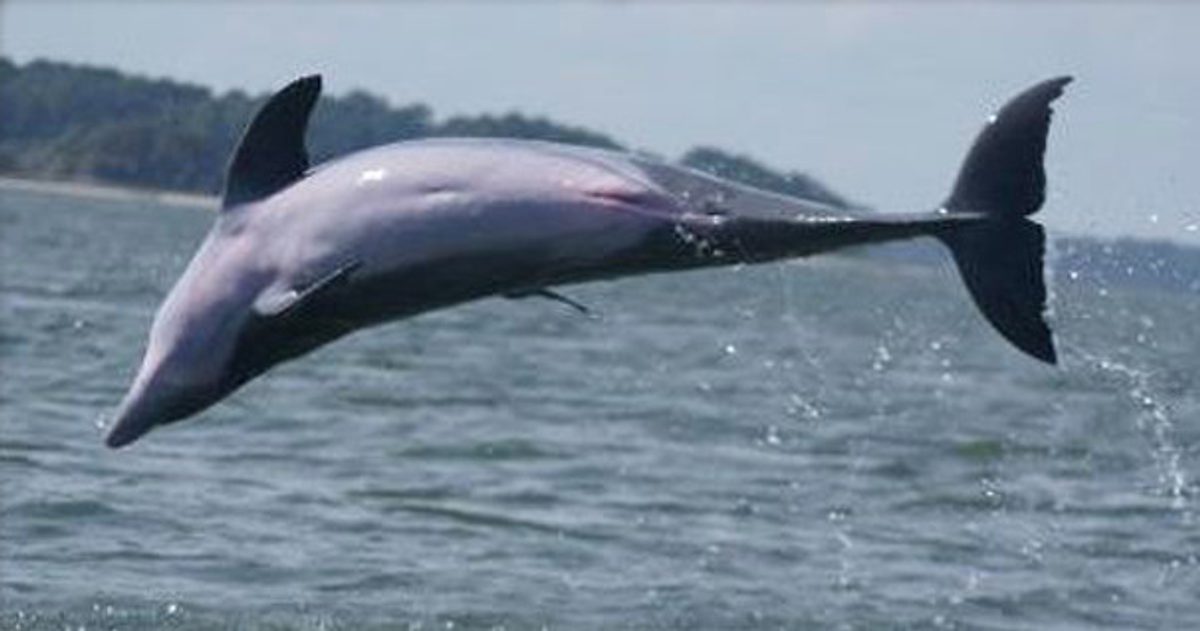
The creek wakes before the island. A thin thread of wind combs the spartina, and the tide—never in a hurry, always on schedule—slides in with the quiet confidence of an old friend. Then, a ripple with purpose. A gray dorsal fin slips through the surface, then another. A pod of Atlantic bottlenose dolphins plays the edge where current nudges baitfish into the fringe of marsh grass, as if the water itself is daring them to dance. This is Broad Creek at first light: ordinary water, extraordinary life.
On the 90-minute SCM PVT Dolphin Eco 16p tour, you settle into a stable, open-deck boat as a naturalist captain points the bow toward the heart of Hilton Head’s salt marsh. Here, the Lowcountry is not a postcard—it’s a living system that breathes twice a day with the tide. Osprey tilt their wings over channel markers; brown pelicans skim the water like skippers. The captain reads the creek the way some people read the morning paper: oyster rakes, tide lines, cross-currents. Every sign tells a story.
Hilton Head Island’s Broad Creek isn’t a river at all, but a tidal estuary—salt water sweeping inland from Calibogue Sound, swirling through meanders bordered by smooth cordgrass (Spartina alterniflora). That grass is the engine of this ecosystem, pumping oxygen into the mud, feeding the food web, anchoring the edges so they don’t slip away with every blow. The marsh gives the island its scent and its soul. Dolphins know it intimately; many here are residents, year-round locals as rooted to this place as any live oak. In cooler months, with fewer boats and softer light, they cruise the creek’s bends with an easy confidence, their exhale a soft puff in the morning stillness.
The captain threads natural history with human history as the boat eases along. You learn how oyster reefs act as living breakwaters and how that rough architecture built Hilton Head’s coastal economy. You hear the echoes of Gullah Geechee heritage—descendants of West and Central Africans who, after emancipation, formed some of the first self-governed communities in the South. Their language and foodways still shape the Lowcountry: rice and okra, crab and creek shrimp, stories that bend like the tide. On shore, places like Mitchelville mark that history; out here, the marsh holds a quieter record, written in tide charts and bird flight.
Dolphins decide the tempo. Sometimes they arc and vanish, the color of weathered pewter just beneath the surface. Sometimes—if the tide and appetite align—you might witness a burst of local drama known as strand feeding. It’s a cooperative hunt unique to the Lowcountry, a strategy where dolphins herd fish onto muddy banks, then propel themselves partially ashore to feed. It’s wild, precise, and entirely theirs; the crew keeps respectful distance, letting the behavior play out without pressure. The water has the last word.
This tour is designed for curiosity as much as spectacle. The naturalist captain translates calls overhead and ripples underfoot, pointing out how fiddler crabs choreograph the mud at low tide, how egrets and herons work the creek margins like quiet fishermen, how a falling tide consolidates bait and sharpens the action. You learn to watch edges and shadows. You start to notice the creek’s moods: the push of an incoming tide, the glassy slack at the turn, the chop when wind and current disagree.
Practically speaking, this is an easy, family-friendly way to meet the Lowcountry. Boats are comfortable and maneuverable, with good sightlines for everyone on board. Tours run daily from sunrise to sunset, and private trips are available if you want the creek to yourself and a captain’s narrative tailored to your interests. If photography is your thing, polarized sunglasses and a fast shutter will become your best friends. If peace is your thing, aim for early morning or late afternoon when the water’s breath is steady and boat traffic thins.
You can learn more and connect with a local captain through this trusted resource for Hilton Head dolphin tours: https://app.advcollective.com/local-experts/scm-pvt-dolphin-eco-16p-hilton-head. The page links you directly to the SCM PVT Dolphin Eco 16p experience and offers an easy way to plan around your day. For travelers building a broader Lowcountry itinerary, this is a natural anchor—90 minutes that recalibrate your internal metronome to marsh time.
A few pragmatic notes: Hilton Head’s weather is forgiving, but the sun is not. Wear light layers and bring sunscreen even on cloudy days—the creek reflects light like a mirror. Wind can pick up in the afternoons; a packable shell keeps the chill off. Hydration matters more than you think on the water, so bring water along. And remember the Marine Mammal Protection Act: don’t feed or touch dolphins, and let them call the shots about how close they come. Responsible viewing keeps the marsh’s rhythm intact for the next boat—and the next generation.
When the boat finally idles back toward the docks, the tide might be higher or lower, the sun more brazen or slipping west. Broad Creek looks different every hour, and that’s the point. This isn’t a theme-park loop; it’s a living classroom where the syllabus changes with the current. The dolphins don’t perform; they patrol, they play, they eat, they rest. You’re a respectful guest in their neighborhood.
Step ashore and you carry a little of the creek with you—salt on your lips, a sharper eye for what moves at the edges, a new habit of pausing when you hear a breath out over the water. The marsh has its own personality—steady, generous, a bit sly—and on the SCM PVT Dolphin Eco 16p tour, it invites you to slow down long enough to hear what it’s saying. For more details, departures, and private options, visit https://app.advcollective.com/local-experts/scm-pvt-dolphin-eco-16p-hilton-head and let Broad Creek set the day’s pace.