Marsh Mornings: Dawn Kayaking Through Hilton Head’s Lowcountry

Marsh Mornings: Dawn Kayaking Through Hilton Head’s Lowcountry

Paddle through gold-lit creeks and meet the wildlife that wakes with the tide

Continue Reading

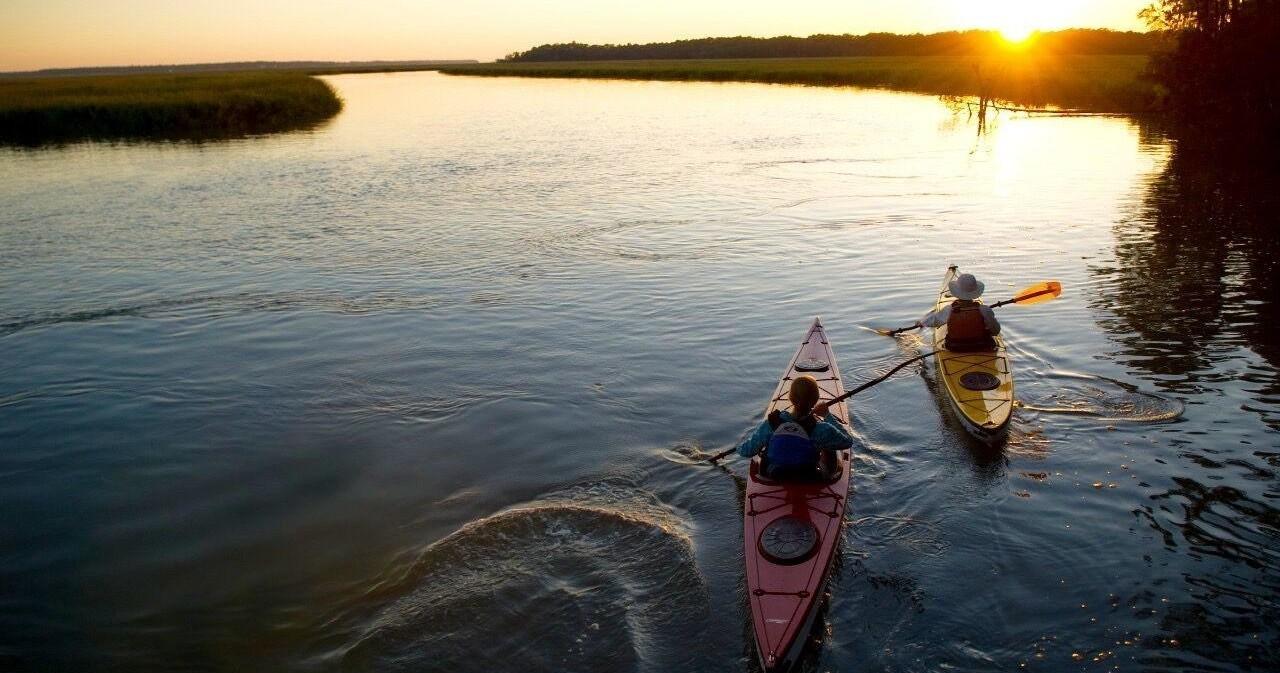
The first paddle stroke tastes like cold metal and salt—sharp, immediate, and honest. Before the sun clears the horizon, the marsh is a silhouette of reeds and ghostly oyster beds, and every sound is magnified: the soft slap of a fish tail, the hollow clack of a fiddler crab, a distant gull complaining above low water. On a Hilton Head Sunrise Kayak Tour, that quiet is not empty; it’s full of life waking up in the tidal creeks of the Lowcountry.

Guides launch small groups in single or tandem kayaks and steer you into a braided waterway where the tide decides the route. Over 90 minutes you’ll drift past saltgrass and smooth, water-polished mudflats, learning to read the marsh as you go: where the current will pull, where an oyster reef rises like a reefed lip, and where herons stand sentinel. Dolphins often arrive as if called—slender backs arcing through glassy water—and egrets unspool like white ribbons from the shoreline. It’s intimate wildlife watching without the confines of a boardwalk or the roar of a boat motor.

The landscape is honest in its simplicity. Geologically, the Lowcountry is a coastal plain shaped by rising and falling sea levels; marshes are the workhorses of that system, trapping sediment and buffering the land against storms. Culturally, this salt-scented place belongs to a long human story: the Gullah-Geechee peoples, generations of rice planters and fishermen, and modern coastal communities that steward and depend on the estuaries. On the water, guides point out signs of that history—old piling stubs, creeks that once served as transport, and shell middens that predate the roads. A kayak gives you access to that layered story without disturbing it.

Practical matters are straightforward. The tour is built for all levels—no whitewater skills required—but expect a steady, rhythmic upper-body effort and some balance work getting in and out of the kayak. Paddles are lightweight, life vests are mandatory, and the group moves at a conversational pace so photographers, families, and first-timers all keep up. The cost is modest—the experience lists from about $45—and the booking includes basics like the kayak, paddle, and guide instruction. The operator also typically offers free cancellation, which makes planning easier when tides and weather fluctuate.

Timing matters: sunrise is the headline here. Arrive at least 20 minutes early to let your guide fit your PFD and brief the group on tides, wildlife etiquette, and reentry technique. The morning light shapes the marsh differently depending on the season—soft and misty in spring, crisp and reflecive in autumn. Bring a dry bag or a small waterproof phone case so you can shoot the copper- and pink-hued reflections without fearing the camera’s funeral.

Beyond the immediate thrill, these tours are a subtle ecology lesson. Salt marshes are nursery grounds for fish and invertebrates and serve as critical buffers during storm surge. Guides will often talk about ongoing restoration projects and the effects of development and climate change on the Lowcountry’s groove of creeks. That education is part of the charm: you leave understanding why those fiddler crabs really matter, not just appreciating how photogenic they are.

Safety and comfort are simple to manage. Wear a hat, sunscreen, and quick-dry layers; bring a full water bottle and insect repellent; plan for the tide and check the forecast. If you’re unsteady, choose a tandem and sit in front—keeps the kayak predictable and doubles as a good way to share the view. For photographers, low-angle lenses and fast shutter speeds will capture darting birds and dolphin backs; for birders, guides will help you find the quiet channels where herons and rails feed.

This is not a hard-core expedition; it’s a sensory design for people who want a close encounter with the Lowcountry on a manageable timetable. Families find it accessible, couples love the quiet intimacy of dawn, and solo travelers appreciate the contained safety of a guided group. After the tour, the island is ready with rewards: a table of shrimp and grits, a coffee, or a short walk along one of the public beaches. If you do one thing on Hilton Head for the water, do it at the hour when the place wakes up—when the light is new, the air is cool, and the marsh seems to breathe with you.

For booking, practical details, and a local guide who knows where the dolphins like to surf the current, see the full Sunrise Kayak Tour listing: Hilton Head Sunrise Kayak Tour. It’s straightforward to reserve, beginner-friendly, and the kind of short adventure that redefines how you think about time spent on the water.
Duration90 minutes
Group Size1–10 Guests
LanguagesEnglish
Rating4.6 (5 reviews)
Plan your visit

Trail Wisdom

Time it with the tide

Check tide charts—high or incoming tides make for smoother paddling and better dolphin sightings.

Dress for moisture and sun

Quick-dry layers, a brimmed hat, and reef-safe sunscreen keep you comfortable in the open marsh.

Bring a small dry bag

Protect your phone and camera from spray and unexpected reentries.

Respect wildlife distances

Let dolphins and birds approach on their terms—no feeding or chasing.

Local Knowledge

Hidden Gems

  • Quiet back channels where pods of dolphins often surf the tidal flow
  • Low-tide oyster flats that attract hunting herons and curlews

Wildlife

Bottlenose dolphin, Great blue heron

Conservation Note

Salt marshes are crucial nurseries and shoreline buffers—respect nesting areas, don’t litter, and avoid disturbing mudflats.

The Lowcountry’s marsh system shaped settlement patterns and the Gullah-Geechee cultural region—salt-marsh creeks were traditional routes for fishing and transport.

Seasonal Guide

spring

Best for:Birdwatching, Mild temperatures, Wildflowers
Challenges:Early morning fog, Some mosquitoes

Spring brings mild mornings, nesting birds, and green marsh grasses; pack light layers and insect repellent.

summer

Best for:Warm water, Dolphin activity, Longer daylight
Challenges:High heat and humidity, More insects

Summer offers lively wildlife but expect heat and sun—start early and bring hydration and sun protection.

fall

Best for:Crisp air, Clear light for photos, Migratory birds
Challenges:Cooler pre-dawn temps, Variable tides

Fall’s clear mornings make for dramatic sunrises and excellent visibility; layers are useful for cooler starts.

winter

Best for:Quiet waterways, Sharp light, Fewer bugs
Challenges:Chillier mornings, Occasional strong winds

Winters are quiet and crisp; bring a windproof layer and consider a neoprene top if temperatures are low.

Photographer's Notes

Shoot low and wide to include reflections; set a fast shutter for dolphins and a longer exposure for still water at sunrise; use a small neck strap and a waterproof case for quick protection.

What to Bring

Lightweight paddle jacket

Essential

Blocks early-morning chill and wind without overheating.

Water bottle (1L+)

Essential

Hydration is essential in humid Lowcountry air.

Dry bag or waterproof phone case

Essential

Protects electronics and valuables from spray and accidental capsizes.

Insect repellent

Essential

Keeps mosquitoes and biting flies from ruining photos or concentration.

Common Questions

Do I need kayaking experience?

No—this guided tour is designed for beginners; guides teach paddling technique, safety, and reentry.

What should I wear?

Quick-dry layers, a hat, reef-safe sunscreen, and water-friendly shoes; bring a light wind layer for pre-dawn chill.

Will we see dolphins?

Dolphins are common but not guaranteed; guides choose routes that maximize sightings when conditions are right.

Are children allowed?

Many operators welcome children in tandem kayaks—check age and weight restrictions with the tour provider when booking.

What is the cancellation policy?

The listing offers free cancellation—confirm policies and weather-related reschedules at booking.

Is there cell service?

Cell service can be spotty in back channels; guides carry communication devices and safety gear.

What to Pack

Water bottle (stay hydrated during humid paddles); Sunscreen and hat (strong coastal sun); Waterproof phone case/dry bag (protect valuables from spray); Lightweight wind/rain layer (early-morning chill and possible wind).

Did You Know

Hilton Head Island contains roughly 12 miles of beaches and sits within South Carolina’s Lowcountry, a region known for its extensive salt marshes and distinctive Gullah-Geechee cultural history.

Quick Travel Tips

Book a dawn slot for better wildlife; arrive 20 minutes early for gear fitting; park near the marina or meeting point; bring cash or card for tips and post-paddle coffee.

Local Flavor

After a paddle, head to The Salty Dog Cafe at South Beach for classic Lowcountry fare—shrimp and grits or a coastal boil—and then stroll Harbour Town for sunset views and local craft beers.

Logistics Snapshot

Closest airport: Hilton Head Island Airport (HHH) or Savannah/Hilton Head International (SAV, ~45 minutes). Meeting point: operator launch on Hilton Head Island (address provided at booking). Driving distance from Savannah: ~45 minutes. Cell service: variable in back creeks. Permits: none required for recreational tours. Duration: 90 minutes. Price from: $45.

Sustainability Note

These tidal creeks are sensitive nursery habitats—pack out trash, avoid trampling shoreline vegetation, and never feed or chase wildlife.

Topics

Included

  • Family-Friendly Experience
  • Guided Eco Tour
  • Small Group Setting: Most tours keep group sizes for a more personal experience on the water.
  • Kayak & Equipment Rental: Single or tandem kayaks, paddles, and life jackets are included.

Good to Know

  • Travelers should have at least a moderate level of physical fitness