From Black Sand to Molten Ground: A Half-Day Circuit Through Big Island Fire and Water

From Black Sand to Molten Ground: A Half-Day Circuit Through Big Island Fire and Water

A concise half-day circuit from Hilo that pairs botanical charm with raw volcanic geology

Continue Reading

You step off the minivan in a thin, salt-scented rain that feels like a memory of the ocean you just left. Hilo’s harbor recedes behind you—palm silhouettes, the tidy bustle of the farmers market—and ahead the road climbs inland, trading palms for ferns and, eventually, the peculiar alien surface of cooled lava. In six hours this tour threads a compact cross-section of the Big Island: banyan-lined avenues and botanical sparkle, a black-sand shoreline, a dramatic cascade of water, and the scarred, otherworldly slopes around Kīlauea where lava gave shape to modern Hawaii.

The advantage of a guided half-day like this is rhythm. There’s little waiting or wandering—each stop is a carefully chosen vignette. Early on you move along Historic Banyan Drive, a riverside ribbon planted with centuries-old trees that shade stately homes and point to Hilo’s turn-of-the-century days as a wealthy sugar and plantation hub. A quick detour lands you at Liliʻuokalani Gardens, where tidy stone bridges and contemplative koi ponds feel worlds away from the volcanic drama that will follow.

Richardson Black Sand Beach is the first place the island’s geological biography announces itself. The sand here is not simply dark; it absorbs light and heat like an honest, living thing. You’ll walk a short stretch of shore, watch the surf reshape the coastline, and get the kind of tactile lesson in basalt that makes the next stop—Rainbow Falls—read like a page in the same story. The falls drop into a fern-filled amphitheater; mist tastes like the island and breaks the heat.

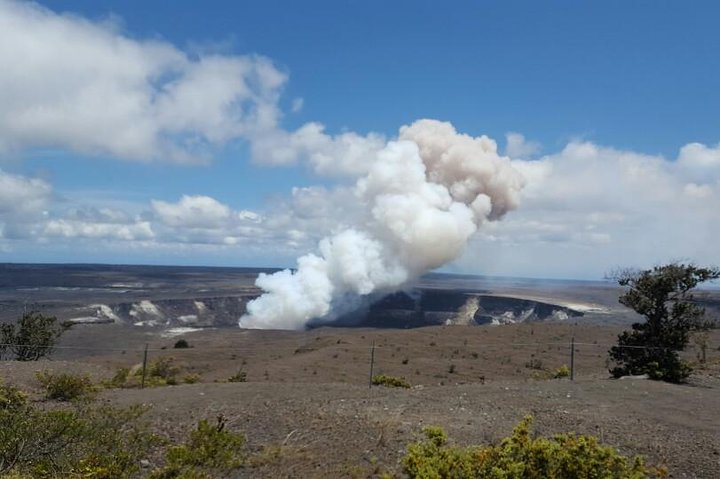
Then the tour negotiates the road up to Hawai‘i Volcanoes National Park. In roughly 30 miles the landscape slides from sea level in Hilo to roughly 4,200 feet at the park—an elevation gain that alters weather, vegetation, and the shape of your day. In the park, the ground changes from forest to braided lava flows, jagged and matte, hummed over by a wind that seems to hush itself as it crosses the basalt. You’ll stand at the edge of recent flows, including patches from the 2016 activity the tour highlights: black fields marked by glassy pahoehoe and sharper ʻaʻā, textured like dried muscle. Guides explain the difference between lava types, fault lines, and the relentless, patient way the island grows.

Hilo Tour

There’s cultural soil here too. Kīlauea has been a living presence in Native Hawaiian belief and daily life for centuries—an ancestor more than a mountain. The area is dotted with sites and stories that link the present to a long human history of respect, adaptation, and sometimes loss as eruptions reshape neighborhoods. The tour’s stops—plus a taste-by-stop at the Maunaloa Macademia Nut (listed in the itinerary) and the Akatsuka Orchid Nursery—give a useful sense of how Hilo’s economy and daily life have woven botanical cultivation and tourism into a fragile, volcanic landscape.

Practicalities matter on a day like this. The tour runs about six hours (the operator lists a fixed 360-minute duration) and covers roughly 30–35 driving miles from Hilo to the park entrance, with multiple short walks and overlooks. Terrain is mixed: paved roads, short boardwalks, a few gravel and dirt paths around overlook areas, and smooth but uneven lava fields where slip-resistant footwear is essential. You won’t be doing multi-mile backcountry hikes on this itinerary, but expect to be on your feet for several short walks, and to face quick shifts in temperature and weather as you gain elevation.

Volcano live view of red glow from safe distance.

Why go? On a single, well-paced morning you see the island’s twin pulses: water—falls, ocean, lush gardens—and fire—the lava that made the land itself. It’s a particularly good fit for travelers who want the geology lesson without committing to an overnight or a long trek, for families, or for any visitor who values narrative and context as much as photo ops. You’ll leave with a better sense of how the island works: how roads and communities adapt to a land that can re-make itself, how local growers coax value from tropical soils, and how the park balances access with protection.

Timing and some modest preparation make the experience richer. Bring layers, expect rain (Hilo is one of the wetter spots in Hawai‘i), and keep a daypack with hydration and sun protection. Respect local guidance: many sites are culturally significant, and the park asks visitors to stay on trails and not remove rocks or artifacts. If you want a longer encounter with lava or a night-time glow-viewing experience, plan a separate excursion—this tour delivers an efficient, education-rich half day rather than a single-minded lava hunt.

In short, the Volcanoes Adventure Tour from Hilo is a concentrated primer on the Big Island’s defining forces. It’s not raw wilderness—there’s comfort in the logistics—but it is honest and elemental: black sand that feels like a scoop of night, waterfalls that cut bright arcs through green, and lava fields that read like a planet in the early chapters of its history. For travelers who want the island’s story told clearly and vividly in six hours, guided and context-rich, this is one of the best ways to turn a stopover in Hilo into something memorable and instructive.
Duration6 hours
Group Size1–30 Guests
LanguagesEnglish
Rating4.0 (29 reviews)

Not recommended for travelers with spinal injuries

Not recommended for pregnant travelers

Not recommended for travelers with poor cardiovascular health

Plan your visit

Trail Wisdom

Layer for sudden weather

Bring a lightweight waterproof layer—the temperature and rain can change quickly between Hilo and the volcano elevations.

Grip matters on lava

Wear sturdy shoes with good tread for short walks on rough lava and wet boardwalks.

Hydrate and snack

Carry at least 1 liter of water and a snack—the tour includes tasting stops but not a full meal.

Respect cultural sites

Stay on marked paths and don’t remove rocks, plants, or artifacts—many sites are sacred to Native Hawaiians.

Local Knowledge

Hidden Gems

  • Akatsuka Orchid Nursery (a collector’s nursery with vivid displays)
  • Small roadside stands for fresh macadamia samples near the Maunaloa Macademia site

Wildlife

Hawaiian hawk (ʻio), Nēnē (Hawaiian goose) occasionally in the park

Conservation Note

Volcanoes National Park balances access with protection—stay on trails, pack out trash, and do not collect rocks or cultural artifacts; these practices help protect fragile native ecosystems and culturally important sites.

Hilo grew as a port and plantation hub in the 19th–20th centuries; Banyan Drive and legacy gardens reflect the island’s plantation-era wealth and botanical experimentation.

Seasonal Guide

spring

Best for:milder rain patterns, wildflowers and lush foliage, comfortable hiking temps
Challenges:intermittent rain, muddy trails in low areas

Spring often balances Hilo’s wet season with clearer windows—good for garden visits and comfortable temperatures at elevation.

summer

Best for:longer daylight hours, more stable weather windows, easier driving conditions
Challenges:increased humidity at low elevations, chance of vog (volcanic haze) if eruptions occur

Summer brings warmer, drier spells on average, but check volcanic air quality (vog) forecasts before booking.

fall

Best for:less crowded visits, clear views after summer, botanical color
Challenges:occasional storms, early-season rains

Fall is a strong shoulder season—pleasant weather and good park access make it ideal for photographers.

winter

Best for:dramatic cloudscapes, green landscapes post-rain, fewer crowds
Challenges:heavier rains in Hilo, cooler temperatures at elevation

Winter means more rain in Hilo but dramatic contrasts at the volcano; bring warm, waterproof layers.

Photographer's Notes

Shoot wide to capture the contrast between black sand or lava and lush greenery; bring a polarizer for coastal glare and fast shutter speeds for waterfalls; for lava textures, low-angle side light (morning or late afternoon) emphasizes the contours—avoid stepping onto fragile surfaces just for a shot.

What to Bring

Waterproof Jacket

Essential

Keeps you dry during Hilo’s frequent showers and at higher elevations in the park.

Sturdy Trail Shoes

Essential

Provides traction on uneven lava, wet boardwalks, and beach cobbles.

Hydration Reservoir or Bottle

Essential

Keeps you hydrated through driving stretches and short hikes.

○

Sun Hat & Sunscreen

Protects against sun and reflective heat on black sand and exposed lava fields.

Common Questions

How long is the Volcanoes Adventure Tour from Hilo?

The tour is listed as a 360-minute (6-hour) excursion that includes multiple stops and short walks.

Is the tour suitable for children or less-mobile travelers?

Yes—this tour is family-friendly and mostly involves short, accessible walks; notify the operator of mobility concerns in advance.

Will we see active lava flows?

Active lava viewing is dependent on volcanic activity and safety; the tour highlights recent flows (including 2016) but cannot guarantee active lava or night glow views.

Are park fees or permits required?

Hawai‘i Volcanoes National Park charges an entrance fee (typically per vehicle for a 7-day pass); the tour operator may include this or advise you beforehand—confirm at booking.

What should I wear and pack for the tour?

Wear layered clothing, sturdy shoes, and bring a lightweight rain jacket, water, sunscreen, and a daypack for personal items.

Are meals included?

Most half-day tours do not include a full meal; the itinerary often includes stops at local producers for tastings, but bring snacks if you need a larger meal.

What to Pack

Waterproof jacket (rain protection); sturdy trail shoes (lava/rock traction); refillable water bottle (hydration); sun protection (hat/sunscreen) with short reasons

Did You Know

Kīlauea’s Puʻu ʻŌʻō eruption ran continuously from 1983 until 2018, making it one of the most prolonged eruptions in recent history and reshaping large parts of the island.

Quick Travel Tips

Book morning departures to avoid afternoon vog and rain; bring cash for small roadside purchases; check volcanic air quality before travel; allow ~45 minutes driving time from Hilo to park entrance

Local Flavor

After the tour, head to the Hilo Farmers Market for fresh tropical fruit and poke, try Cafe Pesto for local seafood and pizza, and sample locally roasted coffee or macadamia nuts for a true taste of island agriculture.

Logistics Snapshot

Closest airport: Hilo International (ITO); Driving distance: ~30–35 miles / 45 minutes from Hilo to Hawai‘i Volcanoes NP; Cell service: intermittent in parts of the park; Permits/passes: Park entrance fee typically required (7-day vehicle pass).

Sustainability Note

Pack out what you bring, stay on marked trails, and never remove lava rock or cultural items—these practices protect fragile ecosystems and sacred sites.

Topics

Included

  • Complimentary pick-up from Hilo Pier

Good to Know

  • Infants and small children can ride in a pram or stroller
  • Not recommended for travelers with spinal injuries
  • Not recommended for pregnant travelers
  • Not recommended for travelers with poor cardiovascular health
  • Suitable for all physical fitness levels
  • A minimum of 2 persons is required for booking
  • At the time of booking, please provide your hotel information (this is vital to arranging your pickup
  • Check the Weather forecast and prepare a rain gear if needed.
  • At time of booking, Cruise ship passengers must provide the following information at time of booking: ship name, docking time, disembarkation time and re-boarding time
  • US DOT Approved : 3897236
  • State of Hawaii Approved : PUC 4918 C