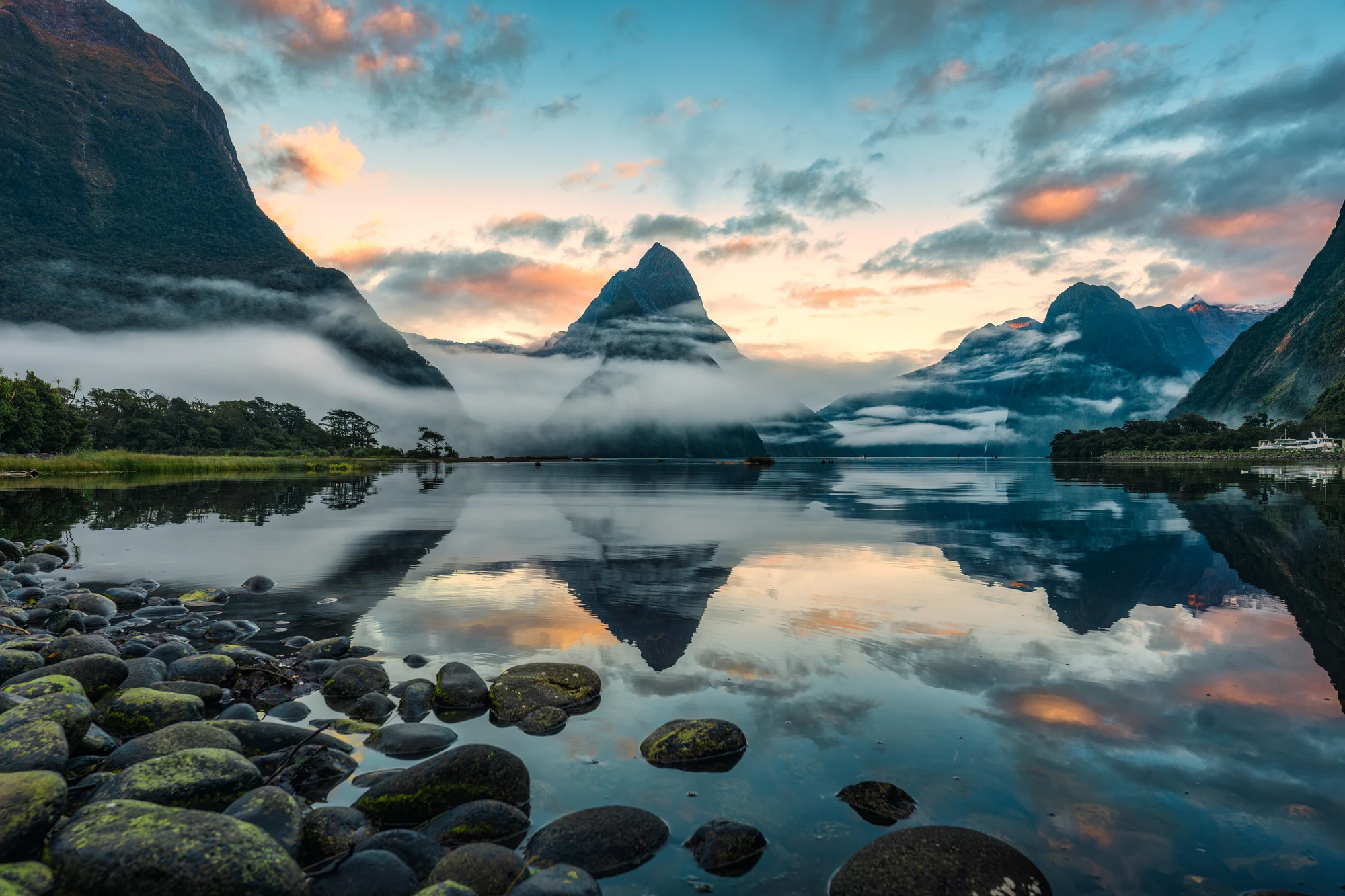
Piopiotahi at First Light: Milford Sound’s Quiet, Thunderous Pull

Piopiotahi at First Light: Milford Sound’s Quiet, Thunderous Pull

A morning on the water, a lifetime of perspective: how Piopiotahi shapes the South Island

Continue Reading

The boat slips off the jetty before sunrise and the fiord inhales. Low clouds shear across the glassy water; Mitre Peak—its shoulders still in shadow—rises as if grown overnight from the sea. A row of waterfalls unspools along the cliff faces, each ribbon urgent with last night’s rain. In the hush between engines and gulls, Milford Sound feels less like a destination and more like an old island of weather coaxing visitors into a slow, observant silence.

This is Piopiotahi—Milford Sound’s Māori name—an incision of ocean into the spine of New Zealand’s South Island that composes one of the most theatrical meeting points of geology and weather on Earth. The fiord was carved by repeated glaciations, each ice sheet gouging the valley deeper until the ocean flooded the trench. The result is vertical rock faces plunging directly into deep water, sea-level fjords dotted with waterfalls, and a sky that behaves like another visitor—dramatic, changeable, occasionally merciless.

What many first-time arrivals don’t expect is how alive the place is. The water seems to test you, pushing against hulls and kayaks with a cool steadiness; seals bob as if out of curiosity, and dolphins slice through the reflections with pandemic delight. Visitors find that Milford’s intimacy comes from these small, persistent encounters—seals hauled on ledges, terns wheeling over tide lines, the brief, bright interruption of a waterfall’s mist onto your face.

The landscape’s story is geological and human. Te Wahipounamu, the World Heritage site that includes Fiordland, records a deep-time drama of ice and tectonics; Maori legend names the place Piopiotahi after the piopio, a native bird said to have died of grief on a voyage here, lending the fiord a melancholy reverence. European explorers and gold-seekers later codified its accessibility, but the place resisted easy domesticating: the Milford Track—the so-called “finest walk in the world”—remains a multi-day pilgrimage into the hinterland, while the road in from Te Anau is a long, winding approach that prepares you for the scale within.

Activities here match that scale. Boat cruises are the baseline: 1.5–2.5 hour trips that glide beneath cliffs and close on waterfalls, with knowledgeable guides who layer in Māori stories and natural history. For a closer, quieter experience, sea-kayaking puts you at water level, eye-to-eye with seals and the spray of falls—a 3–4 hour guided paddle is common and remarkably accessible to fit, novice paddlers. Scenic flights convert the scenery into a topographic fresco—30–60 minute flights deliver vertiginous, unforgettable panoramas of fiords, glaciers and alpine passes. Hikers—serious and casual—use Milford as a launch point: the Milford Track is a 53.5 km multi-day route demanding planning but rewarding with subalpine lakes and cascading valleys that feel like a different planet.

Practicalities here are straightforward if you respect the weather. Milford Sound receives prodigious rainfall; heavy coats and waterproof layers are not optional. The drive from Te Anau is about 118 km and typically two to three hours each way on the Milford Road (SH94), which is itself part of the experience—mirrors of mountain lakes, hairpin turns through beech forest, and viewpoints that beg for brief stops. Guided cruises and kayak tours run year-round, with summer offering the longest daylight and winter presenting a moodier, snow-capped drama. Book core activities—cruises and scenic flights—ahead in peak season (Dec–Feb), and consider early-morning departures for calmer water and softer light.

Gear and fitness needs are reasonable. For a boat cruise bring sturdy waterproof layers, a wind layer, and a camera with a mid-range zoom; for kayaking you’ll want a neoprene spray top if you’re going in cooler months, closed-toe water shoes, and someone in your group comfortable with exertion. Day-hikes nearby vary from easy 30-minute strolls to full-day or multi-day climbs; check track reports and leave detailed plans with someone if you’re heading into backcountry.

Conservation here matters. Fiordland’s ecosystems are fragile and unique—alpine tussock, temperate rainforest, and rich marine life coexist in tight seams. Stick to marked trails, limit interactions with wildlife (especially seals), and choose operators who demonstrate low-impact practices—fuel-efficient vessels, responsible wildlife viewing, and clear waste protocols.

For travelers, Milford Sound is both a one-stop wonder and a gateway to deeper exploration. Spend a dawn cruise to feel the fiord’s scale, then trade engines for a kayak to meet the water on its own terms. Take a scenic flight for the aerial context that rewrites what you thought you’d seen. And if you have the time and appetite, the Milford Track’s remote, day-after-day immersion is the kind of trip that turns a visit into a memory you can carry like a stone in your pocket: weighty, tactile, impossible to forget.

At the waterline, the fiord will keep testing you—presenting weather, wildlife, and waterfalls in quick succession. Take the tests seriously and you’ll be rewarded with a landscape that is simultaneously grand and intimate, a place of thunder and hush where nature has the confidence to be both spectacular and obligingly patient.

DurationOptions from 1.5 hours (cruise) to multi-day (Milford Track)
Plan your visit

Trail Wisdom

Dress for downpours

Milford can rain at any hour; bring a waterproof shell and quick-drying layers to stay comfortable on cruises or hikes.

Book early for summer

December–February fills fast—reserve cruises, scenic flights, or kayak tours well in advance to secure morning departures.

Bring insect protection

Sandflies are common in sheltered spots—use a head net and DEET-based repellent to keep them from ruining a picnic.

Mind the wildlife distance

Seals and birds are protected—keep at least several meters away and never attempt to feed or touch wildlife.

Local Knowledge

Hidden Gems

  • The Chasm—short walk to dramatic carved rock and thunderous water
  • Lake Marian Track—less crowded alpine lake with reflective views

Wildlife

New Zealand fur seal, bottlenose dolphin

Conservation Note

Operators follow strict wildlife protocols and many local groups work to control predators and preserve native forest—travelers should follow leave-no-trace practices.

Milford Sound is part of Te Wahipounamu, a UNESCO World Heritage area; its Māori name Piopiotahi reflects ancestral stories tied to the land and sea.

Seasonal Guide

spring

Best for:wildflower displays, cascading waterfalls, quieter trails
Challenges:variable weather, cold snaps, limited daylight early season

Spring brings explosive waterfalls and fewer crowds, but expect quick weather shifts and chilly mornings.

summer

Best for:calmer water, long daylight, easy access to guided activities
Challenges:crowds, higher prices, sun exposure

Summer offers the most predictable operating schedules and longer days—book ahead and plan early starts.

fall

Best for:dramatic light, fewer tourists, crisp air for flights
Challenges:shortening daylight, variable water conditions, cooler nights

Autumn delivers crisp air and vibrant skies; mornings can be particularly photogenic for flights and cruises.

winter

Best for:snow-capped peaks, moody seascapes, clear air after storms
Challenges:short days, possible road closures, colder water temperatures

Winter yields dramatic contrasts—snow on the ridges and fewer visitors—though accessibility can be affected by storms.

Photographer's Notes

Aim for early-morning or late-afternoon light for softer contrasts; use a mid-range zoom for wildlife and a wide lens for cliff-and-water panoramas; pack lens cloths—waterfall spray and rain are constant; shoot reflections on calm mornings for mirror-like compositions.

What to Bring

Waterproof shell jacket

Essential

Protects against frequent rain and wind on the water and trails.

○

Mid-range zoom lens (70-200mm)

Captures wildlife and distant waterfalls without getting too close.

Sturdy, waterproof footwear

Essential

Keeps you steady on wet docks, muddy trails and rocky viewpoints.

Small dry bag

Essential

Protects electronics and layers during boat trips and while kayaking.

Common Questions

How do I get to Milford Sound?

Most visitors drive from Te Anau (about 2–3 hours) along State Highway 94; guided coach transfers are also available from Queenstown and Te Anau.

Do I need to book a cruise in advance?

In summer and holidays yes—book morning cruises weeks ahead; shoulder season is more flexible but check daily schedules.

Can I kayak in Milford Sound if I’m a beginner?

Yes—guided kayak tours cater to beginners, providing instruction, safety gear and a guide to manage conditions.

Is there cell service in Milford Sound?

Mobile coverage is limited; don’t rely on cell service for navigation or emergency contact—download maps and tell someone your plans.

Are there accommodations at Milford Sound?

There are limited lodges and a small DOC campsite; many visitors base in Te Anau or use day trips from Queenstown.

What wildlife should I expect to see?

Common sightings include New Zealand fur seals, bottlenose dolphins, and a variety of seabirds; rare sightings might include the Fiordland crested penguin.

What to Pack

Waterproof jacket (stays dry in constant rain), mid-range zoom lens (capture wildlife at a distance), sturdy waterproof shoes (traction on wet terrain), dry bag (protect electronics on the water)

Did You Know

Milford Sound is one of the wettest places in the world, averaging roughly 6,000 mm (about 240 inches) of rainfall per year, which feeds its many permanent waterfalls.

Quick Travel Tips

1) Drive the Milford Road early to avoid afternoon traffic; 2) Book cruises and flights in summer weeks ahead; 3) Carry cash for small purchases in remote areas; 4) Check DOC and road updates for closures before traveling.

Local Flavor

Piopiotahi is part of Fiordland’s small community network—base in Te Anau for local smoked salmon, venison dishes and visitor-run conservation cafes; learn local Māori place names and history from guides who incorporate Te Reo and oral stories.

Logistics Snapshot

Getting there: 2–3 hour drive from Te Anau; Book: cruises and flights recommended in peak season; Essentials: waterproof layers, insect repellent, camera with zoom; Time needed: half-day for main cruise, multi-day for Milford Track.

Sustainability Note

Choose operators accredited for low-impact practices, avoid feeding or approaching wildlife, and use marked tracks—support local conservation levies where available.

Topics