Riding the Ridge: Highlands’ Mountaintop Ziplines Through a Temperate Rainforest

Riding the Ridge: Highlands’ Mountaintop Ziplines Through a Temperate Rainforest

Starting at $79.97 | Most Popular!

Continue Reading

Fog clung to the Blue Ridge like a secret as we clipped in, the forest still waking and the air beaded with the kind of moisture the Highlands Plateau is famous for. A whip-poor-will signed off its night shift. Far below, creeks chatted and pushed downhill, daring you to follow their restless energy. Then—go. The line hummed, the trees slid past, and the canopy opened to a burst of rolling green hills that looked like an ocean paused mid-swell. This is ziplining at Highlands Aerial Park, where the ridge itself seems to lean forward and urge you on.

The mountain has opinions here. Breezes shoulder their way up the slope, cool and insistent. Hemlocks murmur. On the Full Mountaintop Tour, you’ll fly eight lines across 44 acres, stepping off platforms into views that sweep across three states. The headliner, a 1,550-foot flight called Squealing Mare, hangs 210 feet above the forest floor—high enough to make your heart reach for your throat, smooth enough to turn nerves into a grin. If you’re warming up to the idea, the Half Tour serves four gentler lines (just over 100 to just under 400 feet) with heights from 10 to 45 feet. It’s a smart ramp: on-ramp to sky lane.

Guides set the tone—calm, dialed, and attentive. You’ll gear up, learn self-braking, and practice the basics before stepping off that first platform. They’ll remind you to keep loose knees and eyes up; the forest, for its part, will remind you why you came. Up here the Appalachians reveal their rain-soaked heart: a true temperate rainforest. Highlands often logs 80–100 inches of annual rainfall, an anomaly in the Eastern U.S. that feeds rhododendron tunnels, lichen-streaked trunks, and a sprung-with-life understory. You hear it in the drip, the twigs snapping under squirrel feet, the faint conversation of far-off waterfalls.

This landscape has layers. Long before zipline cables stitched together the treetops, Cherokee pathways traced these ridges. Logging camps came later; you may notice old road cuts and second-growth forest patterns as the tour leads you through the canopy. Nearby Whiteside Mountain is among the oldest exposed granite faces on earth, a testament to time and pressure, and one reason peregrine falcons found a home here again in recent decades. That mix of wild resilience and gentle human touch gives the tours their character—thrill woven with stewardship.

Culture in Highlands is unhurried but quietly sophisticated. Downtown coffee shops hum in the mornings; galleries and gear stores trade talk and trail beta; the dinner scene punches above its weight. And because this course sits minutes from town, the adventure dovetails easily with the rest of a mountain weekend: waterfall hops to Dry Falls or Glen Falls, a sunset stroll to Sunset Rock, and late-night star hunting on clear, crisp evenings. If you’re mapping out a trip, start with the park’s own guide page—our local expert listing for the Half and Full Mountaintop Zipline Tours lays out the essentials and a few insider angles. When you’re ready to take flight, it’s also the quickest path to check dates and plan a day around the lines you want.

Logistics are simple by design, which keeps focus on the trees and the sky. Arrive 15 minutes early; you’ll check in, stow loose items (empty those pockets), and watch a short briefing before stepping onto the training platform. The Half Tour starts lower and slower, perfect for families with younger kids (ages 8+) or anyone easing into heights. Crucially, you can upgrade on the spot—after line four—to continue with the Full Tour. And if you booked the Full but decide your palms are sweaty enough by the halfway point, you can tap out and get a partial refund back at the office. The mountain doesn’t judge; it keeps breathing, patient as ever.

Weather is part of the story, not a footnote. Tours run in rain, shine, even snow. It’s the high winds and lightning that end sessions—rare, and always a call made with NOAA data and in-house detection. On warm days, the canopy carries a cool draft; on shoulder-season mornings, the lines sing a little sharper in the cold, and your exhale ghosts away. Dress for motion—closed-toe, closed-heel shoes are required; tank tops are discouraged beneath harness straps. If clouds gather, pull a light rain shell and smile: the forest brightens under rain, greens deepening, bark shining with fresh detail. That’s the rain-forest part, working in your favor.

Safety isn’t a tagline here; it’s a system. Guide teams of two handle instruction, belays, and the flow on each platform. You’ll practice self-braking and learn to keep hands where they need to be—simple, memorable, and second nature by the second line. Height minimum is 54 inches; weight ranges from 60 pounds for the Half Tour to 70 pounds minimum for the Full, with a 250-pound max. You need basic mobility—stairs, short uphill walks, and the ability to reach overhead.

If you’re deciding between a scenic half or an all-in full send, consider your appetite for altitude and speed. The Full Tour is the consensus favorite—the course’s rhythm builds deliberately, culminating in that airy flight over the forest bowl. Families often split the difference, with some riders upgrading at the midpoint after confidence clicks into place. For more background and booking details, scan the local expert profile and keep it handy on your phone for checklists and last-minute availability.

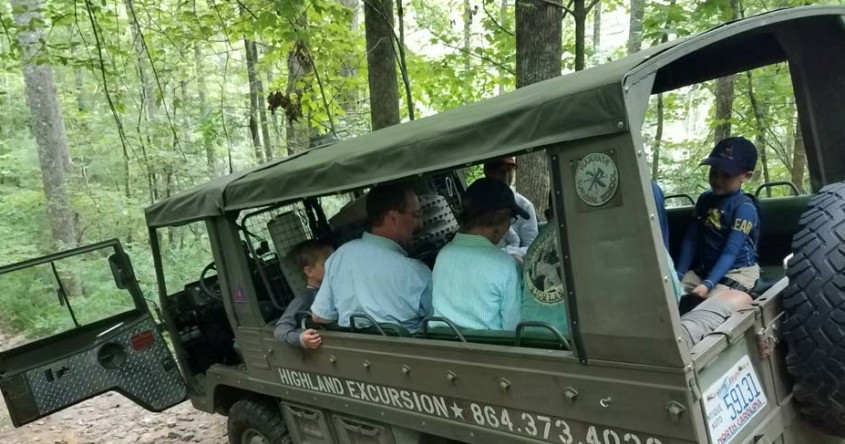
After the final line, a UTV ride escorts you back to the office—mud-sweet air gusting past, helmets crooked into victorious angles. The ridge exhales, and so do you. Maybe you add the Giant Mountain Swing while the adrenaline’s awake, or pencil in a tree climb to round out the day. Or maybe you opt for the classic Highlands cool-down: a waterfall stop, a sandwich in town, and a slow drive over the plateau as clouds roll their sleeves and show you more sky. When the mountain calls again—and it will—you’ll know where to start: with a harness, a forest ready to play, and a reservation link you’ve already bookmarked at The Adventure Collective.
DurationHalf Tour 1 hour; Full Tour 2 hours
Plan your visit

Trail Wisdom

Lock down your footwear

Closed-toe, closed-heel shoes are mandatory—think trail runners or light hikers with good tread for platforms and short walks.

Start low, then level up

Nervous? Book the Half Tour and decide at line four if you want to upgrade on the spot to the Full Tour—no pressure, just options.

Plan for rain—even when it’s sunny

Highlands is a temperate rainforest. Pack a light shell; the course runs in rain and you’ll love how the forest comes alive in it.

Empty those pockets

Leave phones and loose items behind; guides capture photos and video for purchase so you can focus on flying and safety.

Local Knowledge

Hidden Gems

  • Blue Valley Overlook for big-sky panoramas right off the highway
  • Glen Falls trail for a multi-tiered waterfall walk minutes from town

Wildlife

Black bear, Peregrine falcon

Conservation Note

Stay on platforms and follow guide instructions to protect living bark and understory plants; supporting local land trusts helps keep these forests healthy for future generations.

The Highlands Plateau sits on ancient Appalachian rock; nearby Whiteside Mountain is among the oldest exposed cliffs on earth, and Cherokee trails once laced these ridges long before resorts and roads.

Seasonal Guide

spring

Best for:Cool, crowd-light rides, Wildflower views
Challenges:Passing showers, Variable temps

Mornings are crisp and green pops back into the forest. Expect quick-moving showers and bring a light layer.

summer

Best for:Longest operating hours, Family trips
Challenges:Afternoon thunderstorms, Higher humidity

Canopy shade keeps it comfortable, but plan early or late slots to dodge pop-up storms and midday heat.

fall

Best for:Peak foliage color, Clear mountain views
Challenges:Cooler mornings, High demand on weekends

Gold and scarlet hills roll to the horizon; book ahead for October weekends and add a warm layer for early tours.

winter

Best for:Quiet platforms, Crisp air and long views
Challenges:Cold hands, Occasional weather holds

Bluebird days are stunning; check forecasts and bundle up. Tours pause only for lightning, high winds, or limited visibility.

Photographer's Notes

Phones aren’t allowed on course, so plan your shots pre- and post-tour. Arrive early to capture misty ridgelines and dew-lit leaves; use a polarizing filter to tame glare on wet bark. For wildlife, pack a 200–300mm lens and keep shutter speeds fast in the dim canopy. Golden hour at nearby overlooks—Sunset Rock or Blue Valley—delivers layered horizons; bracket exposures to hold both sky and silhouette.

What to Bring

Lightweight rain jacket

Essential

Showers pass quickly and zipping in the rain can be fantastic—stay dry and focused.

Trail running shoes or light hikers

Essential

Closed-toe, closed-heel footwear with grip keeps you stable on platforms and short trails.

○

Sunglasses with retainer strap

A strap keeps eyewear secure when the wind picks up on longer lines.

○

Warm, thin-layer gloves

Keep hands comfortable on cold mornings without compromising dexterity for braking.

Common Questions

What are the age, height, and weight requirements?

Participants must be at least 8 years old and 54 inches tall. Minimum weight is 60 lb for the Half Tour and 70 lb for the Full Tour; maximum weight is 250 lb.

Can I upgrade from the Half Tour to the Full Tour midway?

Yes. After the first four lines, you can choose to continue onto the final four for the Full Tour and pay the difference.

What if I booked the Full Tour but decide to stop halfway?

You may end after line four and receive a $40 refund back at the office.

Do tours run in the rain?

Yes—tours operate in rain, shine, or snow and pause only for lightning, high winds, or low visibility.

Can I bring my phone or camera on course?

For safety and privacy, personal cameras aren’t allowed on the course. Guides capture GoPro photos and video available for purchase.

What should I wear?

Dress for active movement with closed-toe, closed-heel shoes. Avoid tank tops under harnesses. Bring a light jacket if rain or cooler temps are possible.

What to Pack

Closed-toe, closed-heel shoes for platform traction; lightweight rain shell because Highlands’ rainforest weather changes fast; sunglasses with a retainer to keep them secure on windier lines; a warm layer for early starts or shoulder seasons when the canopy runs cool.

Did You Know

The Highlands Plateau is one of the wettest places in the eastern United States, often receiving over 80 inches of rain annually—supporting a rare temperate rainforest ecosystem.

Quick Travel Tips

Book ahead for fall weekends—peak color fills time slots fast; Arrive 15 minutes early for weigh-in and a smooth gear-up; Plan a waterfall stop—Dry Falls or Glen Falls—before or after your tour; Cell service can be spotty near the park, so download directions and your booking confirmation.

Local Flavor

Refuel in Highlands with a craft coffee and pastry downtown, then celebrate your flight with a farm-to-table dinner. For a relaxed post-zip, grab a burger and a locally brewed beer before catching sunset at Sunset Rock—locals flock there when the sky shows off.

Logistics Snapshot

Closest airports: Asheville (AVL) ~2 hours; Greenville-Spartanburg (GSP) ~2–2.5 hours; Atlanta (ATL) ~2.5–3 hours. Trailhead: Highlands Aerial Park office, minutes from Highlands and Clayton, GA. Drive: ~15 minutes from downtown Highlands, ~20 minutes from Clayton. Cell service: Spotty near the park—download directions. Permits: None; reservations required. Arrival: 15 minutes early for check-in and weigh-in.

Sustainability Note

This ridge-line forest is part of a sensitive Appalachian ecosystem—stay on platforms, avoid touching live bark and lichens, and pack out everything you bring. Consider donating to local land trusts that protect Highlands’ headwaters and trails.

Topics