Mist clings to the trees as the truck noses onto a ribbon of mountain road, the windshield dotting with the kind of fine rain that makes a temperate rainforest hum. Highlands, perched high on a plateau in North Carolina’s Blue Ridge, wakes slowly at this hour—coffee drifting out of town, rhododendron leaves beaded with water, and somewhere below, a cascade warming up its voice. The forest leans in, curious. Streams hurry you forward. Rock faces glisten, all patient muscle under moss.
A private, two-hour tour in the Nantahala National Forest doesn’t need a heavy pack or a map dotted with double black diamonds. It’s mostly wheels and easy walking, designed for all ages and mobility levels, and it trades long miles for a deeper look—how water chisels the granite, how fog lifts like a curtain, how a small mountain town sits at 4,100 feet and still feels intimate. Your guide steers toward overlooks and short paths that deliver outsized views, the kind that spill a whole valley into your lap. Waterfalls appear like stage reveals: from roadside veils to powerful curtains thundering into quartz-studded pools. The forest shows you its power and invites you into it—just enough that you can say yes without hesitation.
Highlands is a curious place, founded in 1875 by two visionaries who sketched intersecting lines on a map and predicted a thriving mountain resort. Their hunch proved accurate. Today, this is one of the wettest towns in the eastern United States, regularly topping 80 inches of rainfall annually—enough precipitation to nurture a bona fide temperate rainforest. The Cherokee called this region Nantahala, “Land of the Noonday Sun,” because in its steep-walled gorges, mid-day is when sunlight finally finds the water. Under that filtered light, the land feels kinetic. Waterfalls don’t just fall; they negotiate. They press their case against rock, then relent into spray.
Geology here tells a long story. Ancient gneiss and granite have been weathered by time into tiers and shelves, creating the dramatic drops that fill postcards and calendars. A quick pull-off might lead to a short, family-friendly amble beneath a drip-line ledge or a fenced overlook where the river pitches itself into white noise. In two hours, you’ll sample a handful: roadside classics and lesser-known pours, each with its own tempo. The roads braid along the Cullasaja River Gorge and climb toward cloudline vistas, where the Southern Appalachians fold into a blue horizon. Come for the water; stay for the way the forest breathes around it.
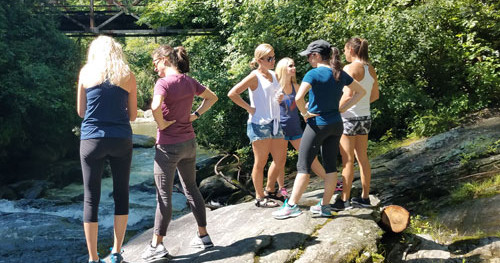
This tour keeps the pace intentional. There’s no rush to bag peaks or tally miles—just time to position a camera, to feel mist on your face, to point out a cinnamon fern unfurling. It’s ideal for photographers; overcast skies are a gift here, softening light and letting colors saturate. A polarizer coaxes glare off wet rock; a slow shutter turns torrents into silk. Families appreciate the easy access: short walks from the vehicle mean grandparents, toddlers, and everyone in between can step into the scene. Dogs are welcome too—well-behaved, leashed, and as thrilled about the smells as you are about the views.
Culture slips in with the scenery. Highlands balances refined and earthy: galleries and farm-to-table menus coexisting with trail mud and river spray. It’s a gateway to the broader Nantahala, a forest of salamanders (this is the Salamander Capital of the World), black bear corridors, and coves that host spring ephemerals like trillium and bloodroot. Respect is the rule—stay behind barriers around waterfalls, where slick rock and strong currents can turn careless steps into emergencies. The rainforest looks gentle; it sets firm boundaries.
The best tours are more than drive-bys. They stitch place to meaning. You’ll hear how this plateau concentrates weather, how fog and rain feed old-growth pockets, how waterfalls migrate over eons as bedrock rebounds. You’ll learn why the Cherokee name still fits, how mid-day light slants through laurel tunnels, and where to look for tiny Appalachia—sprays of lichens, glow of river-polished garnet. If you want a deeper preview or post-trip rabbit hole, start with this primer on the area’s hidden cascades: explore the hidden waterfalls and ancient rainforests of Highlands, North Carolina.
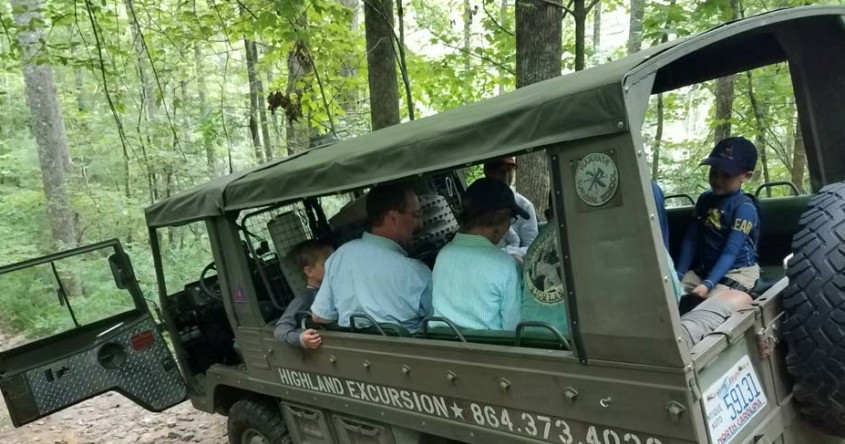
Logistics are simple. You’ll meet in Highlands and climb into a comfortable adventure vehicle reserved just for your group—up to 30 guests, perfect for reunions or multigenerational trips. The route bends to the day’s conditions. After heavy rain, expect roaring flows and big spray; after a clear night, look for morning mist lifting from the gorge. Wear grippy shoes—wet rock is unforgiving—and bring a light rain shell. Even in summer, mountain air can flip from balmy to brisk with a passing storm. The tour moves at your pace: more time at vistas if the clouds are performing, more time around cascades if the water’s in a mood.
For all its drama, this is an approachable adventure with a low barrier to entry and a high return on experience. You’ll come away with a fresh mental map of the Highlands area, ideas for longer hikes on your next visit, and a roll of photos that smell like rain. The forest will have had its say. The rivers will have made their case. And you’ll step back into town with a little mist still in your hair, the mountains quietly urging you to linger.