Salt, Sails, and Lighthouses: A Day on Casco Bay

Portland’s working waterfront and a chain of islands make for an intimate, wildlife-rich coastal escape

Continue Reading

The first thing you notice is the sound: a low, reassuring chuff of diesel mingling with gull cries and the slap of water against a hull. You step off Portland’s Old Port wharf and into a world that feels both worked and wild — lobstermen haul traps across weathered wharves, brick warehouses store the city’s maritime memory, and beyond the breakwater Casco Bay opens into an archipelago of islands, ledges, and lighthouses. In two hours you can go from the urban energy of cobbled streets to the hush of a seal-bedded ledge; in a long weekend you can touch island communities and stand with the sea air at your back as the sun slips behind a schooner’s sails.

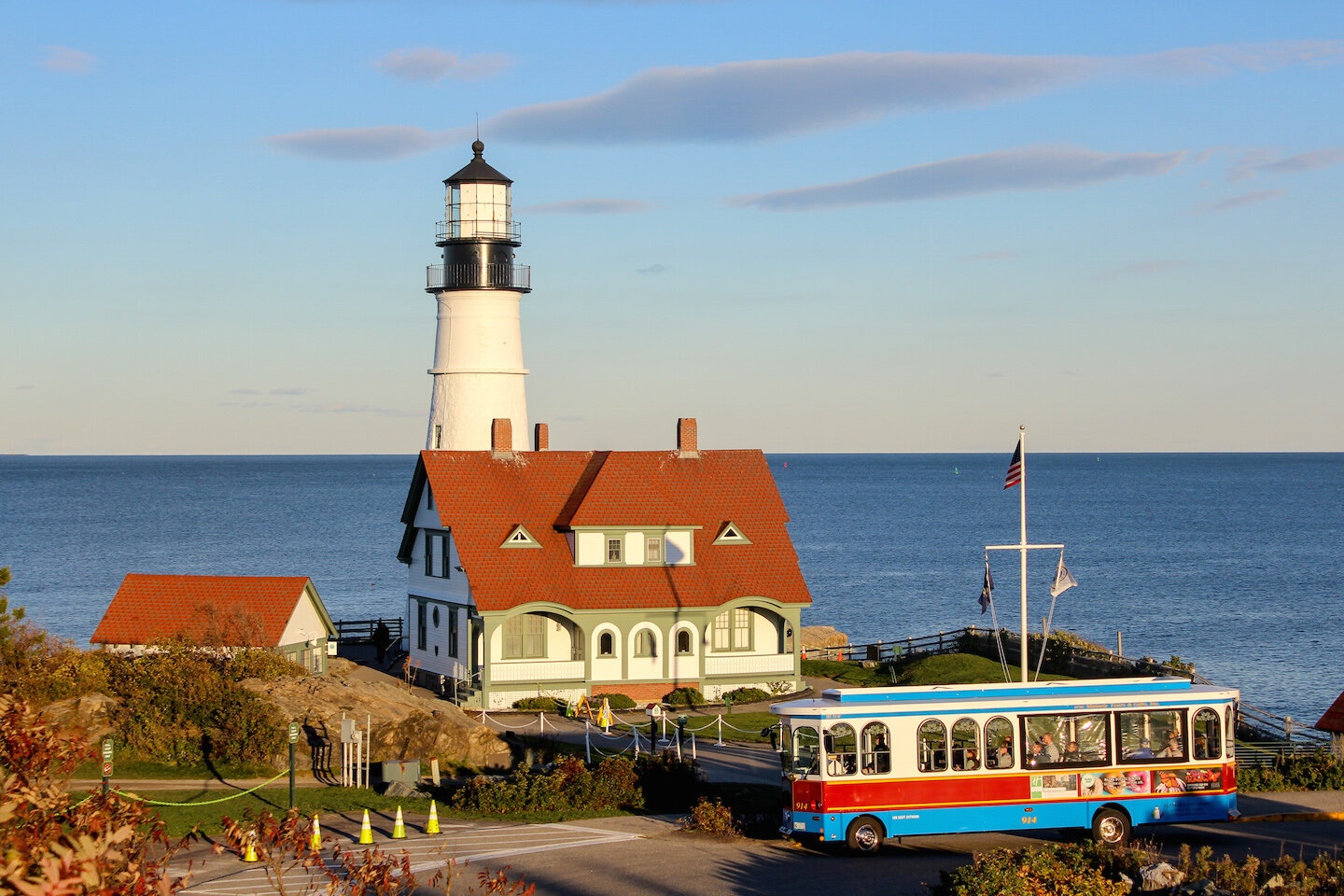
Casco Bay is at once a working harbor and a recreational playground. Geologically, the bay is carved from glacial action; bedrock outcrops and glacial erratics punctuate the shoreline, and many of the islands are drumlins scoured and left skeletal by ice. Human history threads through the landscape: Abenaki people visited these shores for millennia; European settlement turned the bay into a hub for shipping, fishing, and shipbuilding. Portland Head Light, perched on Cape Elizabeth at the bay’s southern rim, was first lit in 1791 and is one of the oldest navigational beacons in the United States — a reminder that this waterway has been essential to regional life for centuries.

What travelers come for is the intimacy of the sea here. Casco Bay’s character changes with the vessel you choose. A classic tall-ship cruise lets you feel the wind in rigging and trade story with a deckhand who remembers storms and summer regattas. Private lobster-boat charters put you within arm’s reach of the Maine coast’s essential elements — sea-salted air, working boats, and four iconic lighthouses seen from the water. For photographers and sightseers, a sunset powerboat cruise transforms the islands into layered silhouettes and gilded reflections. And for those wanting full control, private yacht tours offer a customizable route: swim off a secluded cove, visit an island restaurant, or anchor beneath a lighthouse.

Wildlife is part of the attraction. Harbor seals lounge on ledges, ospreys quarter the islands for fish, and in summer porpoises sometimes ride the bow wake. Local captains know where the birds circle and where the seals prefer to rest; they’ll slow the engines, point to distant shapes, and let the boat drift so the moment lasts. That local knowledge — a captain’s eye for a seal’s favorite rock, a sailor’s sense of when fog will lift — is what turns a boat trip into an encounter.

Practically, Casco Bay rewards planning more than flash: choose the right boat for the mood. A public 2-hour powerboat cruise is efficient and gives a broad sweep of the bay’s highlights; take a private lobster-boat charter if you want storytelling and a hands-on feel for Maine’s maritime heritage; book a tall-ship cruise to slow down and engage with old-school sailing. Morning trips often mean calmer seas and softer light; sunset cruises are crowded but cinematic.

Dress in layers: the temperature on the water is always a degree or three cooler than on shore. Non-slip footwear matters on wet decks; a small daypack is enough — bring water, a windproof jacket, and binoculars. If you plan to swim off an anchor, bring a dry bag and quick-dry shorts; if you plan on photographing, aim for a mid-range telephoto and a polarizer to cut glare.

Logistics are straightforward: most departures launch from Portland’s working waterfront. Expect short check-in windows and modest walk-on distances from Old Port parking or nearby hotels. Tours typically run from two hours to half-day and can accommodate small groups; private charters cap at six passengers in many listings, which keeps things intimate and flexible. For families, lobster-boat trips often include a nod to younger passengers — a lobster-trap demo or a lighthouse story — while tall-ship experiences invite passengers to haul a line and learn a knot.

Sustainability matters here. The islands are fragile; eelgrass beds and lobster nurseries rely on careful anchoring and responsible waste practices. Choose operators who follow harbor guidelines, avoid single-use plastics, and brief passengers on wildlife etiquette. Support local island businesses if your cruise includes a stop — small cafes and seasonal markets are part of the bay’s living economy.

When to go? Summer is crown season: warm water, long days, and active wildlife. Spring and fall offer quieter harbors and crisp, clear light for photographers; winter is a different animal — dramatic, empty, and best experienced from the safety of a heated cabin rather than a deck. No matter the season, the rhythm of Casco Bay is elemental: wind, tide, and light shape every trip.

Casco Bay is a place of simple trade-offs: speed for intimacy, crowds for solitude, a captain’s tales for your own discoveries. It’s a coastline that rewards curiosity and practical preparation in equal measure — the perfect brief adventure for anyone who wants to feel the Atlantic under their keel and the past and present of Maine folded into one slow, beautiful day on the water.

Duration2–6 hours (typical)
Plan your visit

Trail Wisdom

Layer up for the wind

Even in summer, bring a windproof mid-layer — temperatures on the water are cooler and wind can be constant.

Bring binoculars

A compact pair (8x–10x) helps you spot porpoises, seals, and nesting ospreys from a distance without disturbing wildlife.

Wear non-slip shoes

Decks are often wet and uneven — shoes with good tread prevent slips on ladders and low gunwales.

Respect wildlife distances

Let the captain approach wildlife slowly and avoid sudden noise or movement that can stress seals and seabirds.

Local Knowledge

Hidden Gems

  • Swan Island for quiet walking and birding (seasonal ferry access)
  • Little Diamond Island beaches and short island hikes often skipped by larger tours

Wildlife

Harbor seals, Ospreys

Conservation Note

Operators follow harbor rules to protect eelgrass beds and nesting sites—choose companies that brief passengers on wildlife etiquette and minimize wake in sensitive areas.

Casco Bay’s islands have been used for fishing, fortifications, and summer communities since European settlement; Portland Head Light (first lit 1791) guides vessels entering the bay.

Seasonal Guide

spring

Best for:quiet cruises, bird migration viewing, cool-water photography
Challenges:unpredictable weather, cooler water temps

Spring brings migrating birds and fewer crowds; expect brisk air and occasional fog, and dress warmly.

summer

Best for:warm-weather day trips, swimming in coves, sunset cruises
Challenges:busy docks and reservations, higher boat traffic

Summer is peak season—long days and active wildlife but book early and prepare for lively harbors.

fall

Best for:clear light for photography, milder crowds, calm sea days
Challenges:shortening daylight, cooler evenings on deck

Fall offers crisp air and luminous skies; bring insulated layers for dusk and morning trips.

winter

Best for:storm-watching from sheltered tours, dramatic coastal landscapes
Challenges:limited services, many operators suspend charters

Winter trips are sparse and weather-dependent—best for photographers and those seeking solitude when tours are available.

Photographer's Notes

Shoot wide at dawn for island silhouettes and switch to a 70–200mm telephoto for wildlife; use a polarizer to cut glare and set a fast shutter (1/500s+) for porpoises. For sunset, bracket exposures to handle high dynamic range between sky and water.

What to Bring

Windproof jacket

Essential

Blocks chill and spray on deck, useful year-round.

Binoculars (8x–10x)

Essential

Helps spot seabirds, seals, and porpoises without crowding wildlife.

Non-slip deck shoes

Essential

Provides traction on wet surfaces and ladder steps.

○

Polarizing sunglasses

Reduces glare for both viewing and photography on bright days.

Common Questions

How long are typical Casco Bay cruises?

Most public cruises run about two hours; private charters commonly offer two-, four-, or six-hour options to allow for island stops.

Can I bring children on these tours?

Yes — many operators welcome families; private lobster-boat charters and tall-ship experiences are particularly family-friendly but check age and safety guidelines for each operator.

Will I see wildlife on every trip?

Wildlife sightings are common (seals, ospreys, seabirds); porpoises and whales are occasional—captains can’t guarantee sightings but know where to look.

Do I need to book in advance?

During summer weekends and for sunset sails, book ahead; private charters especially fill up weeks in advance.

What should I wear on deck?

Layered clothing, a windproof jacket, non-slip shoes, and a hat; bring sunscreen even on overcast days due to reflected glare.

Are tours wheelchair accessible?

Accessibility varies by vessel; some larger boats offer easier boarding, but many traditional boats have ladders and low gangways—contact the operator before booking.

What to Pack

Windproof jacket, binoculars, non-slip shoes, water bottle — for warmth, wildlife viewing, deck safety, and hydration.

Did You Know

Casco Bay contains roughly 136 islands and is home to the historic Portland Head Light, which was first lit in 1791.

Quick Travel Tips

Book summer sunset cruises in advance; arrive 20–30 minutes early to board; bring a small dry bag for electronics; tip captains and crew in cash if possible.

Local Flavor

The Old Port’s seafood shacks and upscale oyster bars reflect Casco Bay’s identity: lobster is local, maritime storytelling is common, and seasonal island communities keep alive a small-town coastal culture.

Logistics Snapshot

Departures from Portland Old Port; typical duration 2–6 hours; private charters seat up to 6; reserve in summer; bring layered clothing and binoculars.

Sustainability Note

Choose operators committed to low-wake routes, proper waste handling, and passenger briefings on wildlife disturbance; support island businesses to keep local economies resilient.

Topics