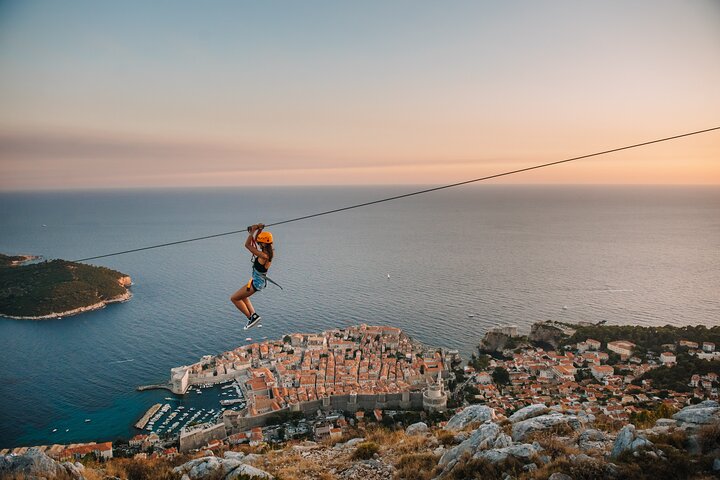
The path down to Sveti Jakov is a small, deliberate descent — a string of stone steps and a final squeeze through low, honey-colored walls — and then the Adriatic opens like a thought. From this pebble cove, the Old City of Dubrovnik sits across the water like a miniature set: terracotta roofs, the sweep of its medieval walls, and the cliff-face silhouette of Fort Lovrijenac. But unlike the tourist crush within the walls, Sveti Jakov (St. Jacob) feels purposeful and unhurried: swimmers slipping into glassy water, a lone fishing line, the occasional hull clinking as a small tour boat swings by.
You get to this attitude by choice. Sveti Jakov sits a 15–25 minute walk from the Ploče Gate of Dubrovnik’s Old Town, tucked beneath a small church and a viewpoint that’s worth the short climb for the classic postcard angle. The beach itself is pebbly, with patches of concrete and a few sunbeds run by operators in high season. The water is clear, deep right from the shore, and the shoreline is defined by rock stairways that seem to dare you into a cool dip. On quiet days the cove becomes a private amphitheater: the city watches, the sea applauds, and you get to be in the middle of it.
Geology and human history meet here in a compact way. Dubrovnik — a UNESCO World Heritage city — grew on limestone terraces carved by centuries of trade and sea-weathering. Sveti Jakov occupies a pocket of that karst coastline, where headlands and caves have formed natural coves and plunging cliffs. Across the channel, Lovrijenac and the city walls are late-medieval monuments to a mercantile republic that preferred diplomacy, fortifications and seafaring to inland conquests. That maritime character still defines the area: boats slip past the city walls daily, and nearby Lokrum Island, a short hop by boat, carries its own layered past as a Benedictine retreat, a botanical experiment and now a protected nature park.
If you want to stitch a day together, this cove is an ideal piece in the Adriatic puzzle. Morning kayak tours launch from the shoreline and give you a close-up perspective of Lokrum and the base of Dubrovnik’s walls; you can paddle into the sheltered Betina Cave for a swim and then land at St. Jacob for a leisurely sunbed afternoon. For a different rhythm, small speedboat trips run from Cavtat or Mlini, stop at Lokrum for two hours of wandering, and include a snorkeling swim in Betina Cave before drifting to Sveti Jakov for shore time. Those boat routes are efficiently designed for visitors who want both the botanical hush of Lokrum and the urban drama of Dubrovnik, with an accessible beach stop to unwind.
Practical rhythm matters here. The beach’s pebble surface and steep access mean water shoes and moderate mobility help; parents with small children should expect a short scramble from the viewpoint down to sea level. The water is often calm in morning and late afternoon; midday sees more breeze and the arrival of tour boats. Lokrum is a nature park with roaming peacocks, botanical paths and a small entry charge collected at the forester’s house — plan for that if your day includes the island. If you take a guided kayak or boat trip, most companies provide snorkeling gear and beverages, but double-check what’s included before you leave the dock.
Food and culture are close by. Small konobas (family-run eateries) and bakeries in the stretch down toward Sveti Jakov serve simple seafood, chilled salads and fresh bread — the perfect post-swim reward. The viewpoint above the beach is a local ritual: photographers, couples and joggers pause there in the golden hour for the city’s most recognizable framing. For cinephiles, Lokrum and Dubrovnik’s walls are famously used as filming locations for Game of Thrones; many boat tours make a point of pausing for those photo ops.
Plan the day with a few practical measures. Bring reef-safe sunscreen and a hat; the stones heat quickly and there’s limited natural shade on the beach. If you want a quieter experience, aim for early morning or late afternoon — and avoid weekends in July–August when private boats multiply. For snorkelers, the Betina Cave and nearby rocky outcrops offer bright fish life and crevices to explore, but currents can change; listen to guides and swim conservatively.
Sveti Jakov is not trying to outshine Dubrovnik’s grandeur. It’s a complement: the place where you step out of the city’s story, drink in the same vistas, and let the Adriatic remind you how small and immediate the world is. It’s perfect for a half-day interlude between a morning walk on the walls and an evening meal, and it’s an ideal launching point for small-boat or kayak adventures to Lokrum and hidden sea caves. Whether you come for a swim, a kayak paddle, or the view from the church steps, the cove returns what you give it — clear water, quiet company and a framed look back at one of Europe’s most dramatically sited cities.