You step out of the truck with a small pack, a map folded into the pocket of your shirt, and the desert already rearranging light into new shapes. The Joshua trees, knotted and theatrical, lean like sentinels across the ridgelines; boulder piles sit like spilled marbles, warmed from a day of sun and beginning to hold the evening cold. There is a pace here that refuses hurry. A crack of silence, the hush between wind gusts, and the distinct confidence of a place that has been living its rhythms long before anyone wrote them down. For 36 hours, the rules are simple: move when you want, stop when the view demands it, sleep somewhere dark enough that the Milky Way feels like a roof over you.
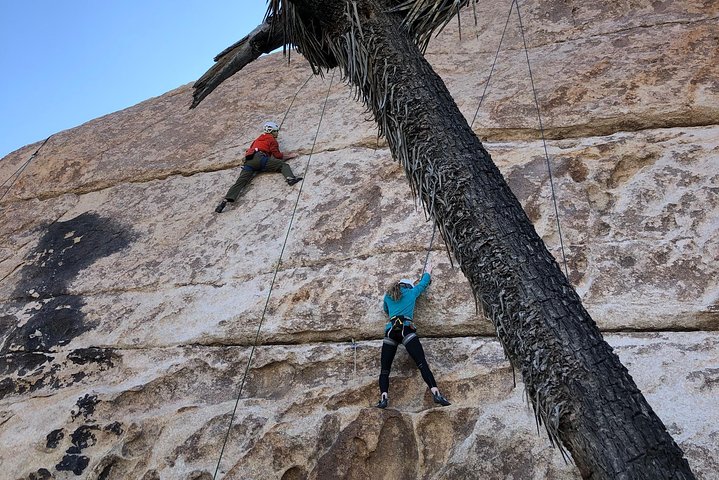
This private 36 hour adventure in Joshua Tree National Park is equal parts desert hiking, light scrambling, and low-impact overnight camping. Guides tailor the experience to your energy and curiosity. You can parse the itinerary two ways: continuous motion, where you hike from one feature to the next until you make camp as daylight thins, or basecamp style, where a single campsite becomes a hub for short forays to nearby peaks, canyons, and classic crack climbs. Either approach rewards attention to detail: watch the way the rocks drink the sun, notice the pale creosote flowers after a rare rain, and listen as the desert rearranges itself at dusk.
Geologically, Joshua Tree is a study in granite and time. The park sits where the Mojave meets the Colorado desert, where ancient plutons of monzonite and granite were fractured and smoothed into the domes and piles that climbers prize. Frost, wind, and chemical weathering rounded sharp corners into the stacked, bulbous boulders that invite both a careful scramble and a lingering afternoon of route finding. The Joshua tree itself, Yucca brevifolia, is a species adapted to the high Mojave; its weird limbs and spikes are not merely aesthetic, they are an ecological response to long droughts and bright, relentless sun.
People have moved through and lived in this landscape for millennia. Indigenous groups, including the Serrano and Cahuilla, used the area for seasonal foraging and cultural practices long before European settlers arrived. Later, miners and homesteaders left names on maps and a handful of historic sites. Today the park is a mixture of natural monument and community: small towns like Joshua Tree and Pioneertown offer a surprising amount of hospitality after a night in the quiet.
Why do this trip? Because Joshua Tree condenses desert variety. You get sweeping vistas, intimate rock features, and a sky so generous with stars that it rewires your sense of scale. The private format means the itinerary leans into your interests: you want to climb? There are classic hand- and finger-crack options. You want to chase viewpoints? Your guide will lead a ridge with 360 degree panoramas. You want to linger and learn about plants, geology, and tech-free overnight rhythm? The basecamp option gives you that slow, observational time the desert rewards.
Here are the practical facts. Expect 36 hours total, with flexible mileage depending on route choice. Typical active hiking ranges from 6 to 15 miles across the full trip with anywhere from 800 to 2,000 feet of cumulative elevation gain depending on chosen objectives and whether you adopt continuous motion or basecamp tactics. Terrain alternates between sandy washes, packed dirt trails, and granite approaches where route-finding and light scrambling make a day feel purposeful. In summer, daytime temperatures regularly exceed 100 degrees Fahrenheit; spring and fall offer the most comfortable hiking conditions. Overnight camping is rustic and requires planning: water must be carried for the whole group, and a free backcountry permit is required for overnight stays in many parts of the park.
Practical Advice
- Hydration is nonnegotiable. Plan on at least 3 liters per person for a daytime 8-12 mile loop, more in heat. Your guide will advise on water drops if available and feasible.
- Footwear should be solid hiking shoes or light boots with confident grip for granite and scree.
- Time your hiking around cooler hours in summer and bring layered insulation for desert nights that can drop dramatically.
- Stargazing is a main event. Bring a headlamp with a red setting to preserve night vision and a small blanket for reclining on warm granite.
Safety and stewardship are part of the trip. Keep to durable surfaces, avoid tying gear to Joshua trees, and pack out everything you bring in. This is also a seasonally sensitive environment; avoid trampling cryptobiotic soil and minimize campfire impacts—use a camp stove and established fire rings when permitted.
At the end of the 36 hours, you leave with sand in your socks and a fresh sense of scale. The desert has a way of giving space, and in that space you notice the small things more clearly: the pattern of lichen on a feldspar face, the tiny tracks of a kangaroo rat, the way the first light of morning sharpens boulder edges into calligraphy. This trip is not about conquering a place. It is about being let in to a small piece of the Mojave, privately and thoughtfully, for a day and a half long enough to change your mood and short enough to make you want more.