Archipelago of Quiet: Paddle, Boat and Explore the Islets of Granada

Archipelago of Quiet: Paddle, Boat and Explore the Islets of Granada

Paddle among volcanic islets, watch monkeys in mangroves, and pair a lake cruise with Granada’s colonial charm.

Granada, Granada Department•By Eric Crews•Boat Charters,Water Activities,Wildlife Nature•February•Dry season (December–April)
Continue Reading

The boat slips away from Granada’s colonial shoreline and the city’s bell towers recede into a warm, sugar-colored horizon. You feel the lake first as a presence—wide, slow, and patient—its surface dotted with thumb-sized islands where palms, shrubs and the occasional faded adobe bungalow cluster like a scattering of green coins. These are Las Isletas de Granada: more than 360 small volcanic islets that feel less like a place and more like a set of intimate, private scenes. The water nudges the hull; birds pop in and out of mangrove teeth; a family of white-faced capuchins pauses on a branch and regards you as a slow, foreign current. It’s immediate, manageable, and deceptively wild.

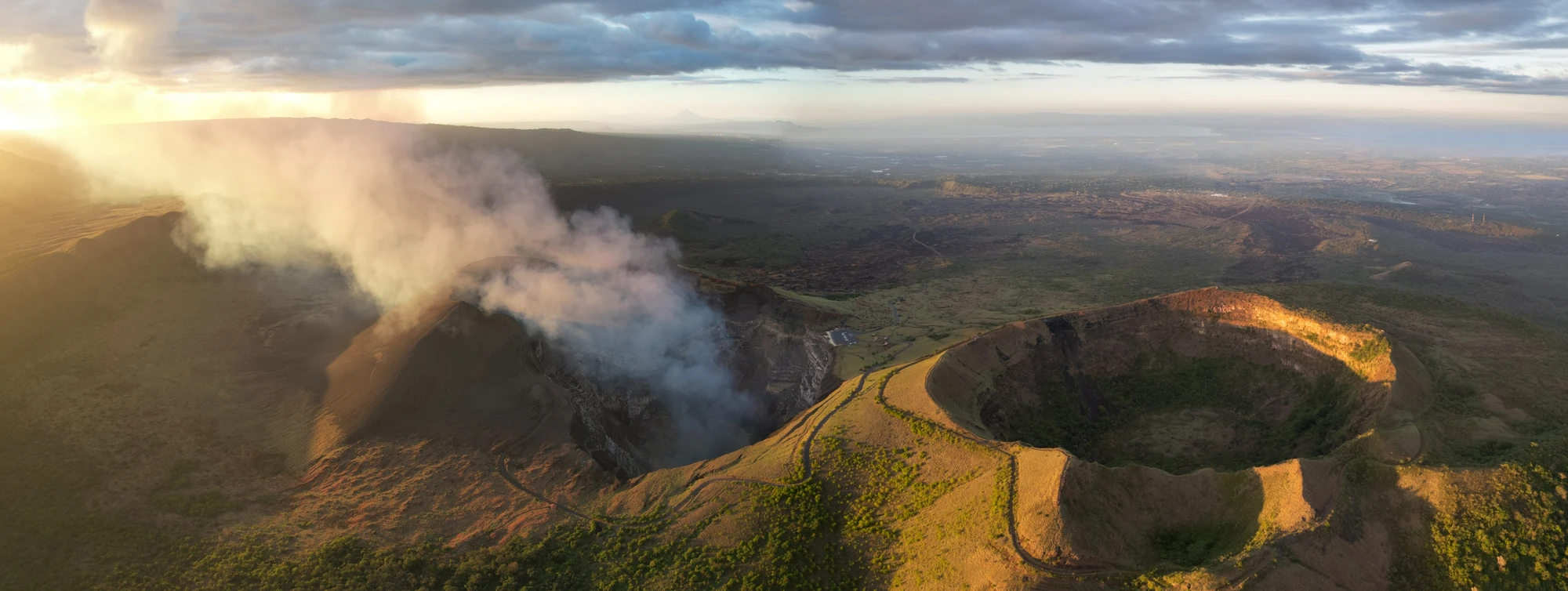
Las Isletas are both an exercise in restraint and variety. They’re not towering alpine peaks or sweeping oceanic cliffs, but a patchwork of microhabitats born of violent geology. Centuries ago, the nearby Mombacho volcano disgorged lava and ash, which collected at the southern edge of Lake Nicaragua. Over time, those deposits became the islets—sporadic platforms where trees took hold and birds staked claims. Locals built modest homes and small gardens on some islets, but most remain dense with mangrove, fig, and the flora that likes its feet wet.

On water, everything gains personality: the cormorant is a streamlined silhouette that tucks itself into a fishing posture, the caiman is a still, amber eye, and the wind along the lake’s face feels like a mischievous guide, pushing you toward hidden channels. The experience here is intimate—short distances, slow travel, and the rewards of small discoveries: a kingfisher’s flash, a monkey family crossing a canopy gap, the weathered stone of the 18th-century San Pablo fortress jutting from the shoreline.

There’s a human history layered beneath the scene. Granada itself, founded in 1524, is one of the oldest colonial cities in the Americas, and the islets have long been part of the city’s economy and lore. Wealthy nineteenth-century families built weekend retreats on the larger islets; fisherman navigated the channels and traded with markets in the city. Today, guided boat tours and small kayak expeditions allow visitors to move through the archipelago with a focus on ecology and local storytelling. Guides narrate how the Mombacho eruptions created the islands, point out medicinal plants, and introduce the wildlife that uses these islets as breeding and feeding grounds.

The Isletas are best experienced in two complementary ways. A short motorboat ride gives an efficient, scenic overview—ideal if you want history, a stop at Monkey Island, and a quick visit to San Pablo fortress. A kayak, in contrast, forces you to slow down. Paddle under low branches, slip into narrow channels, and hear the lake’s small noises: wings beating, waves whispering against mangrove roots, guides murmuring local names for plants. Many visitors combine a morning hike on Mombacho’s cloud forest trails (a 1½–3-hour loop with moderate climbs and rare plant sightings) or a dip at Laguna de Apoyo, then finish with an afternoon on the islets as the light softens.

Practicalities keep the trip pleasant. Tours range from private half-day jaunts to full-day combos—some pair the islets with Granada city tours, a Mombacho hike, or the crystalline Apoyo lagoon. Most boat rides last 60–90 minutes; kayak outings commonly run 2–3 hours including instruction. Wear lightweight, quick-dry clothing, reef-safe sunscreen, and water shoes or sandals with good grip. Bring binoculars for birds and a telephoto lens for monkeys; a waterproof bag protects your essentials. Early mornings are cooler and calmer for wildlife; late afternoons offer the best light for photography.

Respect matters here. The islets’ ecosystems are fragile: mangroves stabilize shorelines and nurseries for fish, and human disturbance can push wildlife away. Do not feed monkeys or birds, avoid anchoring on fragile roots, accept a local guide’s safety brief, and carry out any trash. Choose operators who practice low-wake approaches, are licensed locally, and, when possible, contribute to community projects that support habitat protection.

Combining a visit to Las Isletas with Granada’s colonial streets makes for a balanced day. Walk Granada’s central plaza—its painted balconies and 17th-century churches—sample a chocolate drink at the city’s Chocolate Museum, then head to the lake for water-time. For an adventurous loop, hike the Mombacho crater trail in the morning (expect cloud-forest humidity, steep steps and rewarding overlooks), cool off at Apoyo’s turquoise lagoon, and cap the day with a sunset cruise through the islets.

Logistics are straightforward. Granada is a 30–60 minute drive from Managua’s airport depending on traffic and a comfortable base to book tours. Most operators provide hotel pickup; bilingual guides are common. Expect variable weather during the wet season—afternoon showers can thicken suddenly—so plan the islets for morning if your schedule is tight.

Las Isletas don’t ask you to conquer them. They invite you to slow, listen, and notice. Whether you’re paddling past a sleeping mangrove, watching a heron preen on a protruding root, or learning how volcanic fury led to these quiet green pockets, the islets reward curiosity. They’re not about grand vistas as much as about small, well-earned moments: a boatman’s local joke, the sudden aliveness of a monkey’s call, the way the water holds the sky. For travelers who want a mix of gentle adventure, natural history, and cultural context, Las Isletas de Granada are quietly persuasive—an archipelago that asks you to lean in and explore on its own slow terms.

Duration1–4 hours (boat 1–2 hrs; kayak 2–3 hrs)
Plan your visit

Trail Wisdom

Go early for calm water

Morning trips have smoother water and more active bird and monkey sightings.

Use a local, low-wake operator

Low-wake boats reduce shoreline erosion and disturbance to nesting birds and fish nurseries.

Pack light, waterproof essentials

Bring a dry bag with water, hat, camera, and insect repellent—leave bulky items at your hotel.

Respect wildlife distance

Do not feed monkeys or try to touch wildlife; keep noise low to avoid stressing animals.

Local Knowledge

Hidden Gems

  • Monkey Island (small islet where capuchins are frequently seen)
  • San Pablo fortress – a weathered colonial outpost on the lakeshore

Wildlife

White-faced capuchin monkeys, Herons, kingfishers and other waterbirds

Conservation Note

Rising boat traffic and water pollution threaten mangroves and breeding birds; choose low-wake tours, avoid single-use plastics, and support community conservation initiatives.

Las Isletas are volcanic in origin—formed by eruptions from nearby Mombacho—and have been used for recreation and retreat since the 19th century alongside Granada’s colonial history.

Seasonal Guide

spring

Best for:Dry weather, Calmer waters, Birdwatching
Challenges:Early heat in March–May, Start of rainy season late spring

Spring (March–May) transitions from dry to wetter weather; early spring offers warm, calm days ideal for kayaking and birding.

summer

Best for:Lush scenery, Fewer tourists, Vibrant wildlife
Challenges:Regular afternoon rains, Higher humidity, Potential mosquito activity

Summer (June–August) is green and lively but expect afternoon showers and keep insect repellent handy.

fall

Best for:Dramatic skies, Lower crowds, Good water levels
Challenges:Increased rain and potential storms, choppy afternoons

Fall (September–November) sees the heaviest rains; mornings can still be excellent but remain weather-aware.

winter

Best for:Dry, clear conditions, Comfortable temperatures, Sunsets over the lake
Challenges:Higher visitor numbers December–February, Cooler mornings

Winter (December–February) aligns with the dry season—ideal for boat trips, clear visibility, and comfortable daytime temps.

Photographer's Notes

Shoot wide at golden hour for reflective lake panoramas; use a 70–200mm lens for wildlife and 24–70mm for island scenes; a polarizer reduces glare on the water; steady your camera on a bean bag or low tripod on boat decks to avoid motion blur.

What to Bring

Dry bag

Essential

Protects camera, phone and layers from splashes and sudden rain.

Binoculars

Essential

Small binoculars make bird and monkey spotting far more rewarding.

Reef-safe sunscreen & wide-brim hat

Essential

Shields you from strong sun reflecting off the lake while reducing harm to aquatic life.

○

Light rain shell

Compact protection from sudden showers during the wet season or afternoon storms.

Common Questions

How long is a typical Isletas boat tour?

Most boat tours last 60–90 minutes; private or combined tours with Granada or Mombacho can extend to 4–8 hours.

Can I kayak the islets on my own?

Yes—guided kayak tours are common and recommended for safety and local navigation; solo paddling is possible if experienced and after checking conditions.

Will I see monkeys and crocodiles?

White-faced capuchin monkeys are common on certain islets; freshwater caimans can be spotted but are generally shy—bring binoculars and keep your distance.

Are restrooms available during tours?

Most operators stop at larger islets or return to the mainland for restroom access; confirm with your tour provider if this is essential.

Is swimming allowed around the islets?

Swimming is limited and usually done at designated spots like Playa La Virgen or Laguna de Apoyo rather than among the islets due to boat traffic and depths.

How do I choose a responsible tour operator?

Ask about their local licensing, low-wake practices, guide training, and whether they support community or conservation projects; local recommendations and recent reviews are useful.

What to Pack

Reusable water bottle (stay hydrated), insect repellent (mangrove and lake bugs), water shoes (for slippery shores and boat boarding), dry bag (protect electronics and documents).

Did You Know

Las Isletas de Granada is an archipelago of roughly 360–365 islets formed by historical eruptions of the Mombacho volcano, now a key bird and wildlife habitat.

Quick Travel Tips

Bring small bills for local purchases and tips; schedule lake time in the morning for calmer water and wildlife; confirm hotel pickup times ahead of departure; carry photocopies of ID rather than originals.

Local Flavor

Pair your lake time with Granada’s street food—try vigorón, grilled fish at lakeside stalls, and a hot chocolate drink at the Chocolate Museum; local artisans sell handwoven hammocks and pottery in the markets near the plaza.

Logistics Snapshot

Base in Granada (30–60 min from Managua), tours 1–4 hours, book a morning slot for best wildlife, hotel pickup common, bilingual guides available, bring cash for tips and small purchases.

Sustainability Note

Support guides who use low-wake boats, avoid feeding wildlife, use reef-safe sunscreen, and opt for operators that contribute to local conservation and community projects.

Topics