The wooden skiff rocks and exhales like a patient beast as it leaves the shoreline of Granada. Dawn paints the cathedral’s bell tower a soft ochre and the islets—more than three hundred specks of green and rock—rise from the glassy back of the lake like islands of memory. You feel both small and steadied: this is Lago de Nicaragua, known locally as Lake Cocibolca, the vast freshwater heart of the country. The only way to properly understand Nicaragua’s contradictions—quiet colonial towns, active volcanoes, and a lake large enough to hold its own islands—is to let the water carry you through them.
Lake Nicaragua is the kind of place that invites a slow, curious approach. Boat-charters here are not just transportation; they are a means of translation. On short charters from Granada you thread through Las Isletas, a scatter of private parcels and tiny ecosystems formed from volcanic rock after Mombacho’s eruptions. Guides point out families of howler monkeys spent in the canopy and marsh grasses that hold secret nesting rails. On longer crossings you can head to Ometepe, two volcanoes fused into a single island, or glide past the jagged rim of Mombacho itself, its cloud-forests stitched to the crater.
Geologically, Lake Nicaragua is young and restless. It sits in a rift where Central American tectonics pull and fold, a pocket that has staged eruptions and shaped the islands and peninsulas travelers now explore. The lake drains into the Caribbean via the San Juan River, a historic artery for colonial trade and military expeditions; its freshwater basin once hosted encounters between indigenous peoples, Spanish colonists, and later, strategic interests from beyond. Those currents of history are visible in Granada’s tiled plazas, the painted facades along Calle La Calzada, and the cigar stalls where present-day trades meet centuries-old craft.
Culturally, the lake has always been a living border between worlds. Granada itself is one of the oldest cities in the Americas—its streets have absorbed everything from pirate raids to liberal revolutions—and offers an easy base to explore the lake’s natural theater. From morning coffee in a cafe overlooking the waterfront to an evening carriage ride beneath banyan trees, a day here balances relaxed colonial charm with the thrill of the natural environment beyond the shoreline.
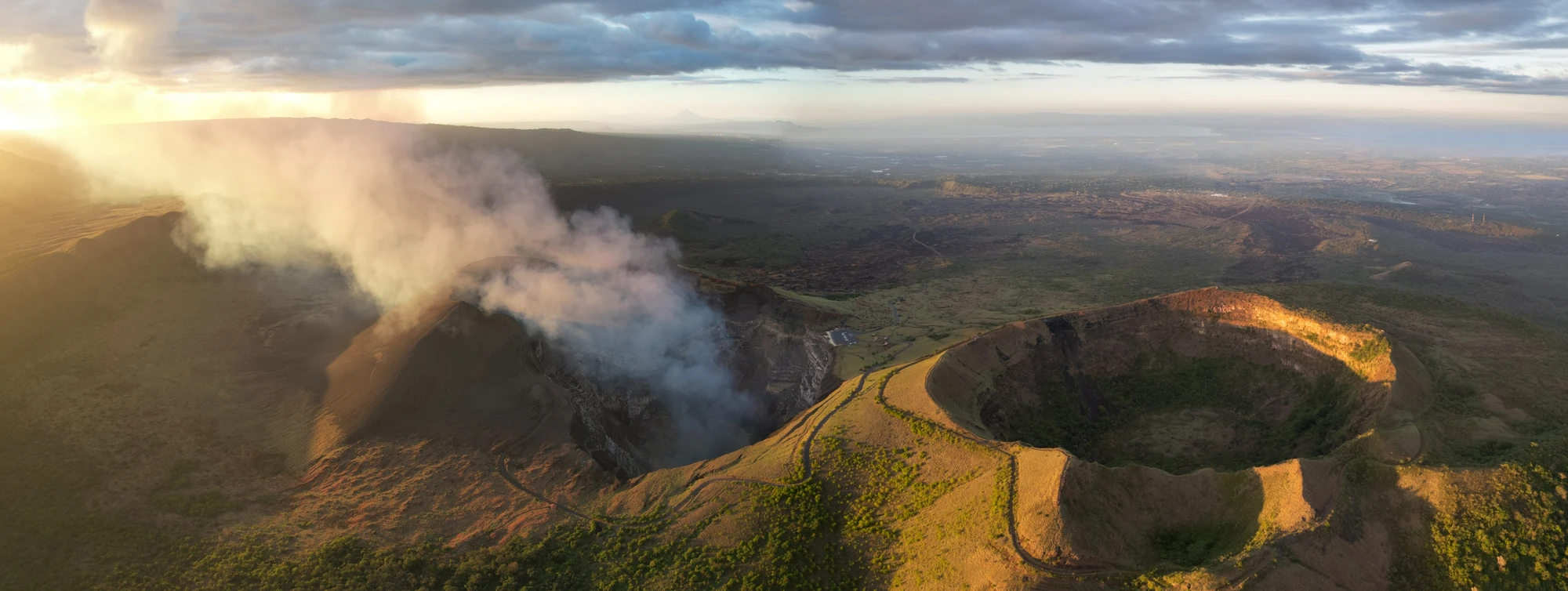
Why come? The draw is variety delivered with simplicity. Book a one- or two-hour boat-charter through Las Isletas to watch kingfishers plunge and orange-breasted jacanas stride across lily pads; pair that with a sunset climb or drive up Masaya Volcano to peer at molten veins under the dark; and if you have the time, cross to Ometepe for hiking, basalt beaches, and coffee farms. The lake also suits families and first-time travelers—boats are often basic but steady, guides are chatty and local, and the experiences can be as contemplative or adventurous as you like.
Practicalities you need to know: most short tours from Granada last 1–2 hours and cost modestly; crossings to Ometepe take 1.5–3 hours depending on ferry type and wind. Weather affects the water—mornings are typically calm; afternoons can bring chop as winds kick up, especially April through October. Bring sunscreen, a quick-dry layer for breezy crossings, and insect repellent for shore visits. Boat operators provide life jackets; still, check fit and condition before leaving the dock.
For the active traveler, the lake is part of a larger loop of adventures. Combine a boat tour with a hike up Mombacho (moderate, cloud forest trails) or a day drive to Masaya to watch glowing magma at dusk—these pairings turn a single-day visit into a sensory-rich snapshot of Nicaragua’s volcanic and colonial identity. Wildlife watchers will appreciate the mix of aquatic and terrestrial species: Anhingas drying their wings on mangrove branches, flocks of egrets on shallow flats, and the occasional family of howlers or coatimundis on forested islets.
If you’re planning logistics, timing is everything. Arrive early in Granada to avoid heat and afternoon squalls; morning light is also best for photography, especially when vapor lingers above the water. For Ometepe crossings, book ferries in advance during high season (December–April) and allow an extra hour for border formalities if you’re arriving from Costa Rica on organized transfers. Finally, respect private islet owners and local conservation rules—many islets are home to nesting birds and fragile plant communities.
Lake Nicaragua is not about conquering a summit or ticking off a famous trail; it’s about listening to a place that has held people for centuries and still manages to surprise. It rewards both slow observation and decisive action—a gentle boat ride, a half-day hike, a volcanic sunset—that together form a week you’ll remember for its contrasts: warm water, cool cloud forests, and colonial facades that look like they were painted for travelers yet feel entirely lived-in.
When you step back onto solid ground, the scent of volcanic soil and frying plantains will linger like a promise. The lake will have nudged your sense of scale and history—reminding you that some landscapes ask only to be experienced at the waterline, where human stories and geological time intersect.
In short: bring curiosity, decent shoes for island walks, and a respect for the slow, stubborn ecology of Lake Cocibolca. The rest of Nicaragua—the markets, the volcanoes, the colonial streets—waits within a boat ride’s distance.