Brushstrokes on the Blue Ridge: Painting and Hiking in the Great Smokies

Brushstrokes on the Blue Ridge: Painting and Hiking in the Great Smokies

A half-day of hiking, natural history, and guided acrylic painting under the Smokies’ blue haze

Continue Reading

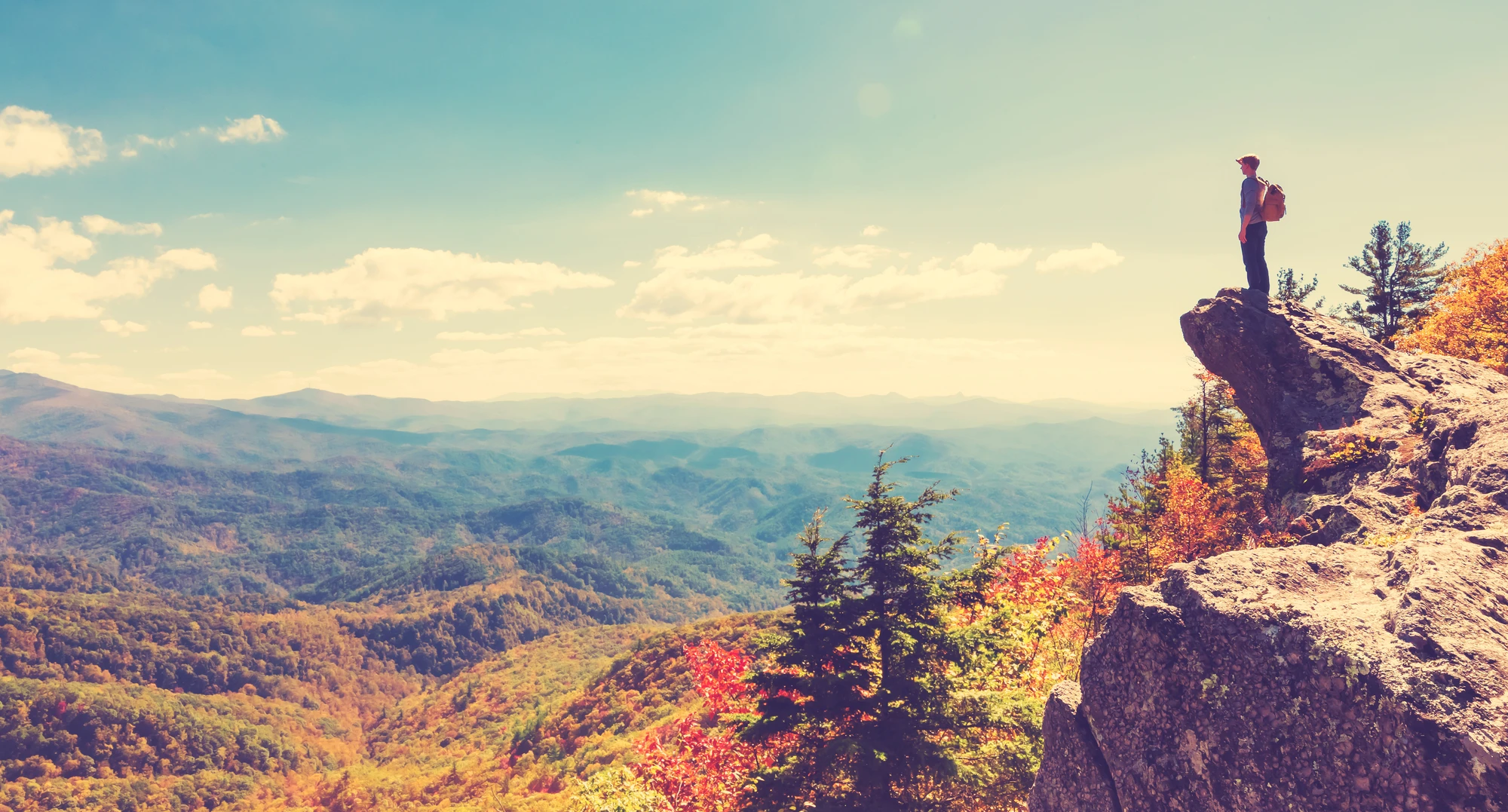
The trail begins as an invitation: a ribbon of packed leaf mold and crushed shale that threads through a cathedral of chestnut and hemlock, sunlight flecking the understory like spilled paint. You move slowly—not because the hill demands it, but because the forest has a way of slowing you down. A guide—part naturalist, part painting coach—points out a cluster of bluets and a lichen-patterned rock, then suggests a composition. Somewhere beyond the trees, a waterfall murmurs; a cabin’s weathered boards catch the light; a distant ridge softens into the blue haze that gives the Smokies their name. This is not a race. It is a three-and-a-half-hour lesson in looking.

These guided art hikes in Great Smoky Mountains National Park are equal parts outdoor lesson and studio session. The morning’s walk is beginner-friendly—gentle grades, compacted trail surfaces, and a pace that privileges seeing over sweating—followed by an outdoor painting tutorial using acrylics. For travelers who want to combine movement with creative focus, the format is perfect: a short, interpretive hike to key viewpoints, then a relaxed painting setup where the guide walks you through blocking in color and building texture. Supplies are provided, and the medium is forgiving; you don’t need prior art experience to come away with something you’re proud to hang at home.

The Smokies are a place that teaches patience. Geologically, the range is ancient—some of the oldest exposed mountains on the continent—rounded by time into broad ridgelines rather than jagged peaks. That slow geology and a diverse elevation banding create rich habitats: cove forests dripping with rhododendron, open balds in higher elevations, and cascading creeks that have carved steps and plunge pools into sandstone and shale. Culturally, the park sits on land that Cherokee people traversed and used for generations; later, early European settlers left stone cabins and mills whose weathered frames still dot the park and often become subjects of the plein-air paintings created on these trips.

Paint Overlooking a Vista and catch a Smokies Sunset!

Timing can change everything here. Spring brings a flush of wildflowers and, in select years and locations, the rare spectacle of synchronous fireflies—a phenomenon that draws careful, ticketed crowds to preserve the insects’ mating rhythms. Summer stretches into long, warm days with dense green canopies; fall is riotous with maples and birch; winter strips the forest to its bones and offers crystalline light. Guides tailor each hike to what’s in season—searching for elk bugling grounds in the North Carolina side in autumn and choosing quieter trail corridors for painting in high-traffic months.

Why travel for this hybrid experience? For many, it’s the permission to slow. Hikes in the Smokies can be pilgrimage—toward a waterfall, a summit, or simply a clearing that holds light just right. Adding paint to the equation changes the goals: you’re not only moving through the landscape but translating it. The guide’s role is equally practical and inspiring—pointing out plants used medicinally by the Cherokee, explaining the history of a log cabin, suggesting how to capture the blue, atmospheric perspective that gives these mountains their name. It’s a small, curated way to connect with a sprawling park.

Practicalities: the whole program runs about 210 minutes and is presented as beginner-friendly. Expect a short hike—typically 1–2 miles roundtrip—with modest elevation gain (roughly a few hundred feet) on well-marked trails. Terrain is a mix of packed earth, roots, and occasional rocky stretches, so sturdy footwear helps. The painting segment often takes place near a vista, waterfall, or historic structure chosen for composition and accessibility, with bench seating or portable stools provided.

You’ll learn park history and how the Cherokee used the lush medicinal plants around us.

If you go: arrive with comfortable layers, sun protection, and a daypack with water. Bring curiosity more than expertise—the guides supply brushes, paints, canvases, and the kind of step-by-step direction that suits both someone picking up a brush for the first time and a returning painter refining technique. Because the park’s microclimates shift quickly, plan for a light rain layer even on promising mornings.

For photographers and painters alike, the park is generous with subjects: meadows that translate to broad color fields, textured trunks that make great foreground interest, and waterfalls that teach you how to suggest motion with a palette knife. If your schedule allows, pair the hike with a couple of local hours—browse the small-town galleries in Gatlinburg or the quieter craft shops in Cherokee to see how regional artists interpret the same landscape.

Booking the trip is straightforward and often instant-confirmation; guides adapt to seasonal highlights—elk in the western valleys, synchronous fireflies in late spring, or the palette of autumn. If you want to chase specific phenomena (like fireflies), check for special permits or lotteries in advance. Otherwise, these hikes make an excellent half-day addition to a Smokies itinerary: they leave you with a small, anchored memory—a hand-painted piece and a new eye for the forest.

Did you know the Smokies look “smoky” because of plant vapor being released - parts of the park are rainforest!

To plan well: choose shoulder seasons for smaller crowds and softer light, hydrate before and during the hike, and give yourself extra time in Gatlinburg or Cherokee to acclimate and explore local history. And if you’re bringing a partner who’s not painting, they’ll find the walk itself rewarding—there’s enough to see whether you’re looking for a quiet bench or a perfect composition.

This is an approachable way to push beyond snapshot tourism: you’ll learn a little natural history, walk a gentle stretch of one of America’s busiest and most biodiverse national parks, and leave with a painting that carries the day’s light. It’s not a masterclass in plein air, but it is an invitation to slow down and see like an artist—brush in one hand, hiking pole in the other. For an immersive half-day that blends craft, nature, and real interpretive storytelling, book a spot on one of the Guided Art Hikes in Great Smoky Mountains National Park and let the mountains teach you how to look.

Duration3.5 hours (210 minutes)
Group Size1–6 Guests
LanguagesEnglish
Rating5.0 (1 reviews)

Not recommended for travelers with poor cardiovascular health

Ask your doctor if you are healthy enough to hike the required distance.

Plan your visit

Trail Wisdom

Hydrate and Layer

Bring at least 1 liter of water and a lightweight rain shell—mountain weather shifts rapidly.

Wear Sturdy Shoes

Trails include roots and rocky sections; trail runners or hiking shoes provide needed traction for both the hike and setting up a painting station.

Protect Your Canvas

Bring a small towel or plastic bag to shield supplies from damp ground or wind while you paint.

Arrive With an Open Mind

You don’t need painting experience; guides offer step-by-step instruction tailored to ability.

Local Knowledge

Hidden Gems

  • Elkmont historic district and its quiet trails for painted cabin scenes
  • Mingus Mill and rolling meadow viewpoints that catch late-afternoon light

Wildlife

Elk (on the NC side), Black bear

Conservation Note

Great Smoky Mountains National Park is a biodiversity hotspot—stay on trails, pack out trash, and avoid disturbing plants and wildlife to protect fragile habitats.

The park preserves Appalachian homesteads and Cherokee cultural landscapes; many trails pass former farmsteads and historic mills.

Seasonal Guide

spring

Best for:Wildflowers, Synchronous firefly viewing, Mild hiking temperatures
Challenges:Possible muddy trails, Firefly permits/lotteries, Unpredictable rain

Spring brings blooms and the chance to see synchronous fireflies in select zones—pack for mud and check viewing permits.

summer

Best for:Full foliage vistas, Long daylight for painting, Waterfall soundtracks
Challenges:Heat and humidity, Midday storms, Higher visitor numbers

Summer offers lush scenes perfect for color studies but expect heat and afternoon showers; start early for cooler light.

fall

Best for:Bright fall color, Clear, crisp air, Wildlife activity
Challenges:Shorter daylight, Busy weekends, Cool mornings

Autumn’s colors make dramatic subjects; book midweek for quieter trailhead access and bring warm layers.

winter

Best for:Clean, high-contrast light, Quiet trails, Crisp vistas
Challenges:Cold temperatures, Icy patches, Limited services

Winter offers stark compositions and solitude; dress warmly and expect limited services on park roads.

Photographer's Notes

For painting references and photos, shoot during golden hour for soft light and deeper colors; use a polarizer to reduce reflections on wet leaves, and bracket exposures near waterfalls to retain detail in both highlights and shadows. Carry a small reflector or neutral-density filter if you want to slow shutter speed for silky water effects.

What to Bring

Trail runners or hiking shoes

Essential

Grip and foot protection for uneven trails and wet rocks while hiking to painting sites.

Reusable water bottle (1L+)

Essential

Stay hydrated during the hike and the painting session—water is limited on-trail.

Light rain shell

Essential

Quick protection from passing showers and wind when painting outdoors.

○

Small foldable stool or seat pad

Adds comfort during painting if you prefer sitting; guides often provide options but personal gear helps.

Common Questions

Do I need painting experience to join?

No—these hikes are designed for beginners and experienced painters alike; guides give step-by-step instruction and supply materials.

How difficult is the hike portion?

Trails are beginner-friendly, typically 1–2 miles roundtrip with modest elevation changes; they’re accessible to most people in reasonable health.

Are materials provided?

Yes—brushes, paints (acrylic), canvases, and basic easels/stations are provided as part of the tour.

Can kids join?

Family-friendly options exist, but check age recommendations with the operator; younger children may require supervision during painting.

What should I bring?

Bring water, layered clothing, sun protection, sturdy shoes, and any personal seating or art supplies you prefer—guides supply the essentials.

Are special permits required?

The park itself has no general entrance fee, but special events like synchronous firefly viewing may require permits or reservations—confirm seasonal rules in advance.

What to Pack

Water bottle (1L+), layered rain shell, sturdy hiking shoes, sunscreen—hydration, protection from weather, traction, and skin protection are essential.

Did You Know

Great Smoky Mountains National Park is the most visited national park in the United States, attracting over 10 million visitors annually in recent pre-pandemic years.

Quick Travel Tips

Fly into McGhee Tyson Airport (TYS); drive ~45–60 minutes to Gatlinburg; expect limited cell service in some valleys; check for special permits for firefly viewing.

Local Flavor

After a morning of hiking and painting, head into Gatlinburg for Appalachian trout, craft beer at a local brewery, or browse galleries that celebrate regional crafts and mountain scenes.

Logistics Snapshot

Closest airport: McGhee Tyson Airport (TYS). Typical base town: Gatlinburg (~1 hour drive). Cell service: intermittent in valleys. Permits/passes: No general park entrance fee, but special events (e.g., firefly nights) may require registration.

Sustainability Note

This park harbors rare plant communities and synchronized fireflies—stay on trails, carry out all trash, and avoid flash photography during sensitive wildlife events.

Topics

Included

  • Art chair with tilting table, apron, painting supplies

Good to Know

  • Service animals allowed
  • Not recommended for travelers with poor cardiovascular health
  • Travelers should have at least a moderate level of physical fitness
  • Ask your doctor if you are healthy enough to hike the required distance.