Quiet Walkways: Slow Hikes in the Heart of the Great Smoky Mountains

Quiet Walkways: Slow Hikes in the Heart of the Great Smoky Mountains

Short, soulful trails that slow you down—how to choose a walk that fits your day and your pace.

Continue Reading

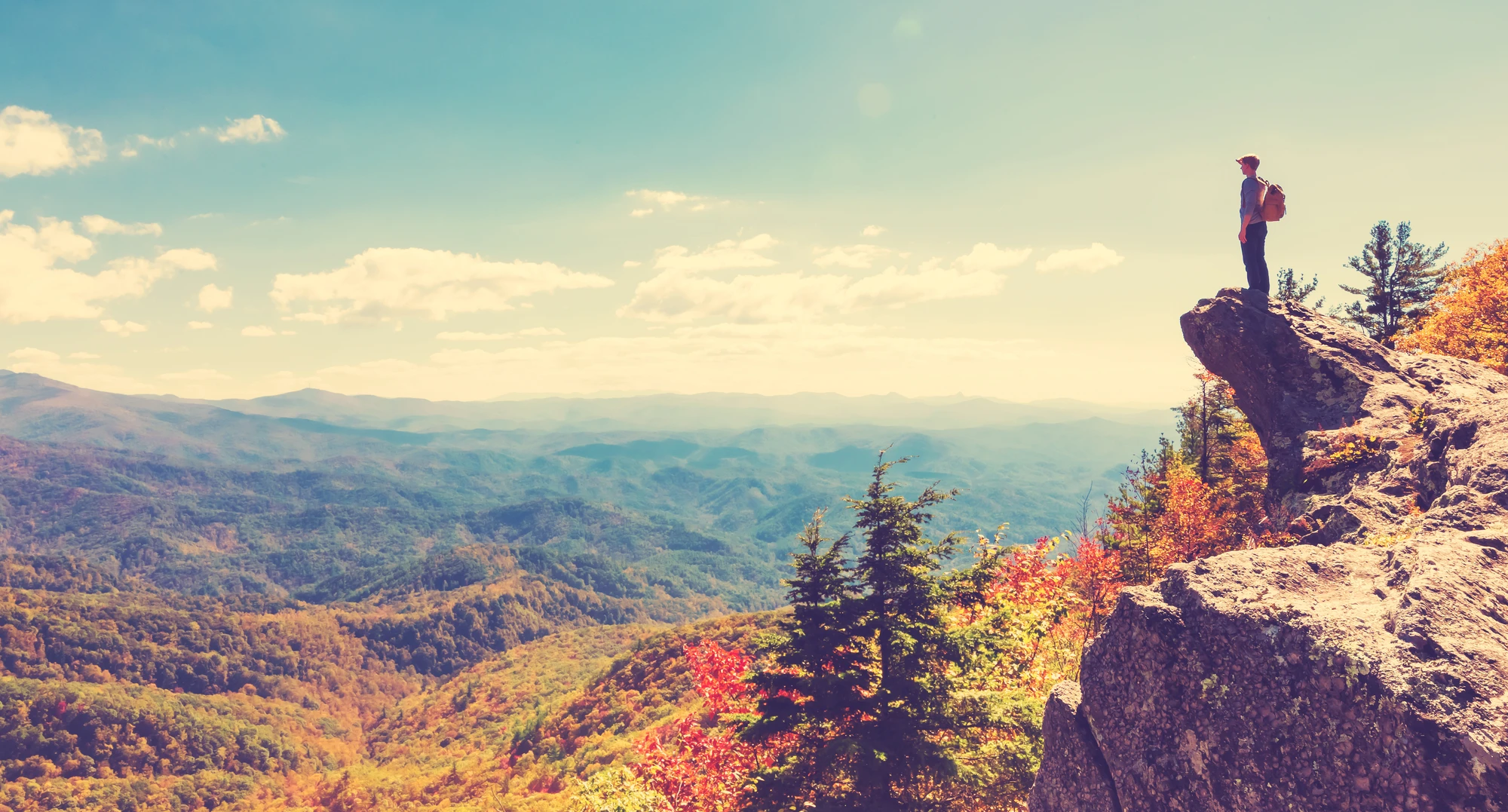
Morning arrives in the Smokies with a reluctance that suits the place—mist folding itself through rhododendron thickets, creeks blinking awake beneath a skin of early light. On a narrow park road a few cars cough into a dispersed lot and a pair of hikers step onto a trail so soft with leaf mold it almost swallows their footfalls. These are the Quiet Walkways: short, deliberate paths that undo the speed of travel and hand you back a scale tuned to moss, stream, and bird call.

This isn’t about conquest or summit selfies. It’s about walking through tree columns that are older than the nation that surrounds them—hemlocks, tulip poplars, and oaks towering above gently cambered trails. The Smokies were once the foothold of Cherokee communities; later, they bore the scars of 19th- and early-20th-century logging. The park’s creation in the 1930s and the work of the Civilian Conservation Corps rewrote the landscape again, turning logging roads and old paths into conservation-minded trails. Walk these quiet corridors and you’re moving through layered history: Indigenous stewardship, resource extraction, and then a deliberate return to wildness.

Geologically, this spine of the ancient Appalachians is more folded story than jagged drama. These mountains are among the oldest on Earth—rounded, eroded, and full of seams where streams have cut their stories into shale and sandstone. On foggy mornings the air takes on that famous blue cast; volatile organic compounds released by the plants scatter light and give the mountains their smoky appearance. That haze is less a cover and more a signature: it softens distance and concentrates attention on what’s close—lichen, the cool pulse of water, a salamander slipping under a rock.

Quiet Walkways are not a single trail but a palate of short routes threaded across Great Smoky Mountains National Park. They suit families, walkers who want a breath of wildness without committing a full day, and anyone who prefers a slow, attentive pace. Typical outings are between 1 and 6 miles round-trip, with modest elevation gains—100 to 1,000 feet depending on whether you choose a riverside boardwalk or an upland ridge loop. Surfaces vary: paved boardwalks that make wet meadow viewing accessible, compacted old logging roads good for strollers and bikes, and narrow, rooty singletrack that requires attention but rewards with seclusion.

The walk is sensory rather than statistical. Rivulets dare you to listen; currents push forward under fallen logs. Ferns hold their fronds like cupped hands, and the air tastes faintly of green things—sap, pine resin, early-season wildflowers. In spring the forest is a chorus of trilliums and hepatica; summer brings the cool shelter of dense canopy; fall is the unmistakable, showy season when acres of maples, birches, and oaks trade green for flame; winter thins the chorus and clarifies the lines of ridgeline and chimney rock.

Practicality anchors the romance. There are no permits required for day hikes in the park, but arrivals matter: weekdays and early mornings offer the peace the name promises; mid-afternoon on a holiday weekend does not. Parking is ample at many trailheads but fills quickly near popular loops—plan for an extra 20 minutes and a fallback option. Bears are present in the Smokies; keep food sealed, make noise on shaded, blind corners, and carry bear spray if you want extra insurance. Ticks are a year-round nuisance—tuck your pants into socks, use DEET or permethrin-treated clothing, and check thoroughly after you step off trail.

The quietness of these walks hides a civic chorus: volunteers maintain boardwalks, local outfitter guides lead interpretive rambles, and park rangers patrol the most trafficked corridors. Respecting that investment is part of the trip—pack out what you pack in, stay on the trail to protect fragile understory, and keep dogs leashed where allowed.

For planning, think in layers. Footwear should be supportive but flexible—light hikers or trail runners are perfect for shorter quiet walks; midweight boots suit muddier or rockier surfaces. Hydration needs are modest on a 1–3 mile loop, but always carry a bottle (1 liter minimum) and a small first-aid kit. Weather in the Smokies can surprise: mornings cool into comfortable sweaters, and afternoons may heat; rain moves in quickly, especially in summer, so a lightweight waterproof shell is smart.

Timing your visit changes the experience. Spring offers a carpet of wildflowers and rushing waterfalls; summer provides cooling shade and frog calls at dusk; fall delivers the park’s most famous spectacle—color—but also its busiest crowds; winter turns the forest into a skeletal, crystalline study of form. No matter the season, move slowly and your reward will come in small certainties: a patch of trillium in full bloom, the flash of a kingfisher, the patient gaze of a deer stepping off the path.

Quiet Walkways don’t require a grand itinerary—what they demand is attention. You’ll return not with a checklist of peaks, but with a clarity the city seldom allows: the exact sound of water over stone, the way a leaf tilts to catch light, the map of rut and root that tells the story of countless little journeys. If you come ready to notice, the Smokies will teach you how to move through a landscape with patience, and how to measure a day by the quality of what you saw, rather than how far you went.

Duration1–4 hours
Plan your visit

Trail Wisdom

Start early or late

Trailheads are quietest at dawn and dusk; aim for these windows to avoid crowds and see wildlife when they’re most active.

Footwear matters

Choose supportive trail shoes with good traction—boardwalks can be slippery, and rooty singletrack demands grip.

Bear-aware basics

Store food properly, hike in groups when possible, and carry bear spray in high-use backcountry corridors.

Tick check

Do a thorough tick check after your walk and treat clothing or gear with permethrin during tick season.

Local Knowledge

Hidden Gems

  • Small, unnamed side trails that drop to creek crossings—great for quiet picnics
  • Late-afternoon meadow edges where groundhogs and warblers gather

Wildlife

white-tailed deer, black bear

Conservation Note

Park management focuses on invasive species control and restoring native habitats; visitors are asked to stay on trails to protect sensitive understory and historic remnants.

The park was established in the 1930s, combining land from logging companies and private owners, with significant CCC-era development of trails and facilities.

Seasonal Guide

spring

Best for:wildflowers, waterfalls, birding
Challenges:muddy trails, unpredictable rain, pooled streams

Spring brings explosive growth and loud waterways; expect muddy sections and choose waterproof footwear.

summer

Best for:cool forest shade, evening walks, salamander spotting
Challenges:high humidity, afternoon storms, more insects

Summer’s canopy keeps temperatures pleasant but pack rain gear and insect repellent for humid afternoons.

fall

Best for:fall foliage, photography, longer daylight for exploring
Challenges:crowds on peak color days, chilly mornings, limited parking

Fall offers the Smokies’ signature spectacle; plan early starts and midweek visits to avoid the heaviest crowds.

winter

Best for:quiet solitude, clear visibility, crisply defined ridgelines
Challenges:icy boardwalks, shorter daylight, cold temperatures

Winter strips the forest to form and line—dress in layers and bring traction devices for icy sections.

Photographer's Notes

Bring a short telephoto (70–200mm) for wildlife and a wide-angle lens for misty forest scenes; shoot during golden hour for backlit leaves; use a polarizer to reduce glare on wet leaves and bring a microfibre cloth to wipe lenses in misty conditions.

What to Bring

Light waterproof jacket

Essential

Sudden rain is common—pack a breathable shell to stay dry without overheating.

Trail shoes with good traction

Essential

Protect ankles and maintain grip on wet boardwalks and rooty trails.

1L water bottle or hydration reservoir

Essential

Even short walks are drier work than they feel—carry water and sip regularly.

○

Small first-aid kit and tick remover

Handle minor scrapes and remove ticks promptly after the walk.

Common Questions

Do I need a permit to walk these trails?

No permit is required for day hiking in Great Smoky Mountains National Park, but check signage for specific trail or parking restrictions.

Are the Quiet Walkways dog-friendly?

Some trails in the park allow dogs but most do not; verify park regulations and keep pets leashed where allowed.

How early should I arrive to find parking?

Arrive 30–60 minutes before peak daylight hours, especially on weekends and during fall color season, to secure a trailhead spot.

Are the paths wheelchair or stroller accessible?

Certain boardwalks and paved loops in the park are accessible; check specific trail information for surface and grade details before you go.

What wildlife might I encounter on short walks?

Expect deer, a variety of songbirds, and small mammals; bears and elk are present in parts of the park—maintain distance and follow park guidelines.

When is the best time to visit for fewer crowds?

Midweek visits in late spring or early summer (outside school holidays) and early mornings year-round offer the most solitude.

What to Pack

Water bottle (1L), lightweight rain jacket, sturdy trail shoes, tick remover — for hydration, weather, traction, and quick first aid.

Did You Know

Great Smoky Mountains National Park is the most visited national park in the United States and was designated a UNESCO World Heritage Site and International Biosphere Reserve in 1983.

Quick Travel Tips

1) Arrive early for parking; 2) Check the park website for trail conditions; 3) Layer clothing for variable mountain weather; 4) Keep food sealed and stored to avoid attracting wildlife.

Local Flavor

Appalachian culture threads through nearby towns—listen for live bluegrass in Gatlinburg, try regional staples like biscuits and locally produced apple butter, and seek out interpretive exhibits that highlight Cherokee history on the park’s fringes.

Logistics Snapshot

No day-hike permits; pay attention to parking times and seasonal road closures; cell service is spotty—download maps and bring a physical park map; rangers and visitor centers offer current trail and wildlife alerts.

Sustainability Note

Practice Leave No Trace: stay on durable surfaces, pack out trash, avoid feeding wildlife, and use established facilities to limit human impact on fragile ecosystems.

Topics