Cades Cove: Morning Mist, Mountain History, and an 11-Mile Loop of Discovery

Cades Cove: Morning Mist, Mountain History, and an 11-Mile Loop of Discovery

An eleven-mile loop that stitches together mountain history, slow wildlife watching, and autumn spectacle.

Continue Reading

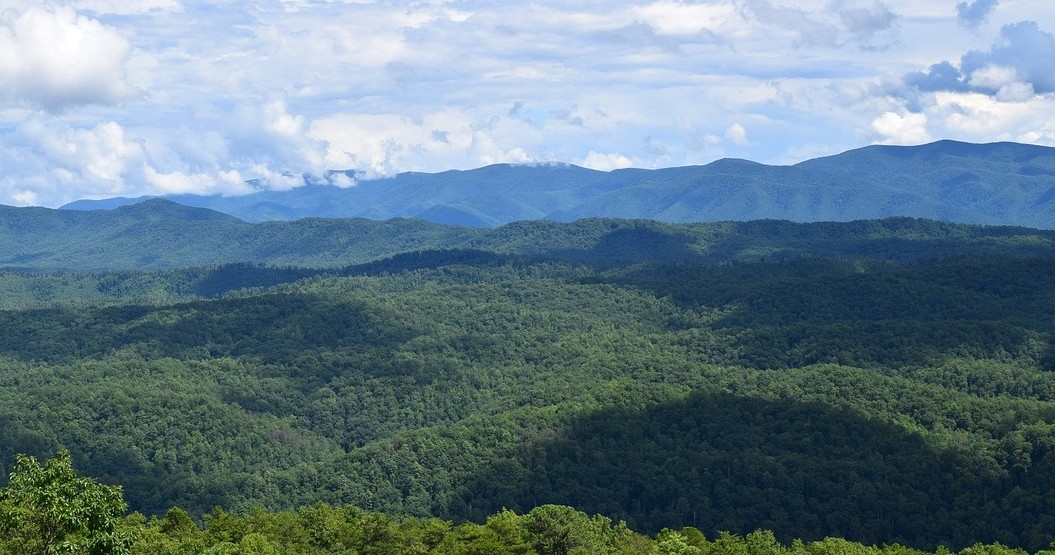
On an October morning the valley exhales. Fog lifts in slow ribbons from pastures that were once tilled by families who carved a life out of the Smokies; sunlight slants through sycamores and highlights the white clapboard of a church that has stood for more than a century. The road ahead is a single lane of asphalt, eleven miles of invitation that curls like a ribbon around Cades Cove—a bowl of fields, forests, and framed mountain ridges where the past and wildness still meet face to face.

Cades Cove is as much a landscape as it is a story: a wide valley flanked by the Great Smoky Mountains, sitting roughly 2,000 feet above sea level and connected to township life through a network of homesteads, barns, and a working grist mill. The 11-mile loop road is the canonical way to travel through the cove, but the true value is in the small stops—the 1822 cabin with sun-bleached logs, the cemetery with veterans of the Revolutionary War and the War of 1812, the church where Sunday services once gathered the entire community. Each structure is a marker of how people adapted to isolation, and how the mountains shaped everyday life.

Geologically, Cades Cove is a classic Appalachian valley carved and shaped over hundreds of millions of years. The surrounding ridges are composed of ancient sedimentary rock folded and faulted into the rounded silhouettes that give the Smokies their name. The valley floor, however, holds a different temperament: broad fields hemmed by forest that flood with wildflowers in summer and ignite into spectacle in fall.

The cultural layer of Cades Cove adds a human heartbeat to the place. Before it became part of the national park, families farmed the valley; moonshiners and mountain craftspeople kept industries small and local. Today, park rangers and local guides preserve these stories on interpretive stops and narrated tours that wind the loop. You can hear these voices in the timber-framed barns and in stories told at the visitors center in Townsend. And yes—there is still talk of moonshine, legends passed down like recipes, and the occasional mention of Dolly Parton’s love for the area and its nearby communities.

But the cove is not a museum frozen in amber. It is a living corridor for wildlife. Mornings and late afternoons are the best times to see white-tailed deer grazing in the fields, wild turkeys strutting across the road, and black bears foraging on the forest edge. The loop road funnels thousands of visitors each year—photographers, families, birders—so wildlife viewing requires patience and respect. Animals here move with one eye on the trees and the other on the people. The visitor’s role is to observe quietly, avoid approaching, and let the cove retain its wildness.

If you’re building a day around a trip to the cove, there are a few practical notes that turn a good visit into a great one. Start early. The loop takes about two to three hours at a slow, watchful pace without long stops; add time for short walks to the grist mill or cabin, and for wildlife watching. Bring binoculars and a telephoto lens if you’re photographing wildlife—close is not better when bears are involved. Footwear should be sturdy for short pavement strolls and muddy sidetracks. Pack water and snacks; there are limited services once you’re inside the loop.

Guided options in the area shape the experience differently. A five-hour heritage tour, for example, pairs the loop with narrated stops and limited walking, offering historical context and easier logistics for travelers who prefer a curated experience. For photographers, rolling ‘cell phone’ workshops or guided photo tours will point out the best vantage points and compositional tricks. Jeep tours promise a bit more bump and breath-taking viewpoints, especially if you want to explore roads that skirt the cove and climb into surrounding ridgelines. Each approach suits different priorities: history, wildlife, photography, or simply the slow ease of driving a scenic loop with the windows down.

Practical considerations matter: parking at popular stops can fill by mid-morning, and cell service is spotty. If you’re camping, the Cades Cove Campground is an intimate way to extend the visit; wake to deer browsing mere yards from your tent. Check the National Park Service site for campground status and regulations before you go.

The payoff of Cades Cove is sensory and thoughtful. The valley asks you to slow down—to trade speed for observation. Watch the way light liquefies the pastures at dawn; listen to the creek run by the mill; notice the patterns of stone walls that once marked property lines and now frame views. Bring respect—pack out what you bring in, keep wildlife wild, and let the cove keep its rhythm.

For travelers, Cades Cove is more than a stop on a Smokies itinerary. It’s an accessible place to touch Appalachian history and encounter true backcountry wildlife without venturing into remote wilderness. Whether you arrive with a camera, a guided tour, or a pair of sneakers for short walks, the loop is a reminder that some of the richest outdoor experiences come from places where landscape and story are braided together.

Plan your timing with care, give yourself margin for slow moments, and let the valley’s long view change how you travel—if only for a morning.

Duration2–5 hours (loop drive with stops; longer if hiking or camping)
Plan your visit

Trail Wisdom

Arrive at dawn or late afternoon

Wildlife is most active in low light—plan to be on the loop early or late to maximize sightings and avoid midday crowds.

Pack binoculars and a telephoto

Maintain a safe distance from animals; optics let you get intimate photos without disturbing wildlife.

Wear sturdy, water-resistant shoes

Short walks to the mill and cabins are on mixed pavement and soil—expect mud after rain.

Bring snacks and water

Services are limited inside the park; a small daypack will keep you fueled for stops and short hikes.

Local Knowledge

Hidden Gems

  • Walk the short trail to the Cades Cove grist mill at dawn for quiet reflections by the water
  • Visit nearby Red’s Soda Fountain in Sevierville for a classic local ice cream stop mentioned in local tours

Wildlife

white-tailed deer, black bear

Conservation Note

The valley is managed by the National Park Service; visitors are asked to follow Leave No Trace principles and not feed wildlife to protect animal behavior and park ecosystems.

Cades Cove contains numerous 19th-century structures, including log cabins and a working grist mill; one cabin on the loop dates to 1822 and the cemetery holds veterans of early American wars.

Seasonal Guide

spring

Best for:wildflowers, birding, moderate crowds
Challenges:muddy trails, variable temperatures

Spring brings a flush of wildflowers and migrating songbirds; expect cool mornings and muddy sidetracks.

summer

Best for:long daylight, wildlife viewing in mornings, guided tours
Challenges:high visitor numbers, hot, humid afternoons

Summer offers full services and long days but arrive early to beat crowds and heat.

fall

Best for:leaf-peeping, photography, deer rut viewing
Challenges:peak crowds, limited parking at overlooks

Fall is peak color: dramatic vistas and busy roads—book accommodations early and expect slower driving.

winter

Best for:quiet solitude, clear mountain skies, birding
Challenges:cold temperatures, possible road or facility closures

Winter provides quiet, crisp air and excellent visibility; check park alerts for temporary closures.

Photographer's Notes

Shoot low to include foreground grasses and walls; use a telephoto (300mm+) for wildlife and a wide-angle for historic structures; arrive for golden hour—backlit fog and rim-light on ridges create dramatic frames; keep a fast shutter for moving animals and a tripod for low-light cabin interiors.

What to Bring

Binoculars (8–10x)

Essential

Crucial for observing deer, turkeys, and distant bears without getting too close.

○

Telephoto lens or long-zoom camera

Allows respectful wildlife photography and tight frames of historic structures.

Sturdy hiking shoes

Essential

Comfortable for short pavement walks and muddy side trails to cabins and the mill.

Daypack with water and snacks

Essential

Keeps you hydrated and ready for longer stops or impromptu short hikes.

Common Questions

How long is the Cades Cove Loop?

The one-way loop is 11 miles; at a leisurely pace with stops expect 2–3 hours, longer if you hike or wait for wildlife.

Do I need a permit or reservation to drive the loop?

No permit is required to drive Cades Cove; however, check the National Park Service site for any temporary closures or special vehicle restrictions.

Can I see bears and deer here?

Yes—Cades Cove supports populations of white-tailed deer, wild turkeys, and black bears; sightings are common in mornings and evenings but not guaranteed.

Are dogs allowed on trails in Cades Cove?

Pets are allowed on the paved loop road, campgrounds, and picnic areas but are typically not permitted on most park trails—confirm current rules with park authorities.

Is there cell service and food inside the loop?

Cell service is unreliable in the valley and there are limited services inside the loop; bring food and water and buy supplies in Townsend before entering.

Can I camp in Cades Cove?

Yes—Cades Cove has a campground; availability changes seasonally, so check the park’s reservation system or policies before you go.

What to Pack

Binoculars for wildlife, layered clothing for variable mountain weather, water and snacks for limited services, and a camera with telephoto for respectful wildlife photos

Did You Know

The Cades Cove Loop is an 11-mile scenic drive that circles a valley with more than a dozen preserved 19th-century structures, including a cabin built in 1822 and a working grist mill.

Quick Travel Tips

1) Arrive at dawn for wildlife and light; 2) Check park alerts for closures before you go; 3) Fuel and stock up in Townsend—services are limited in the park; 4) Keep a safe distance from wildlife and never feed animals.

Local Flavor

Townsend and surrounding foothill towns carry Appalachian traditions—local craft shops, homestyle eateries, and Maple-syrup and moonshine lore; finish the day with classic diner fare at Red’s Soda Fountain in Sevierville for a sweet regional touch.

Logistics Snapshot

Know-before-you-go: 11-mile one-way loop, limited cell service, best wildlife viewing at dawn/dusk, short paved walks to historic sites, campground available—check NPS for current rules.

Sustainability Note

Follow Leave No Trace: stay on designated roads and trails, pack out trash, do not feed wildlife, and respect seasonal closures to protect habitat and species like black bears.

Topics