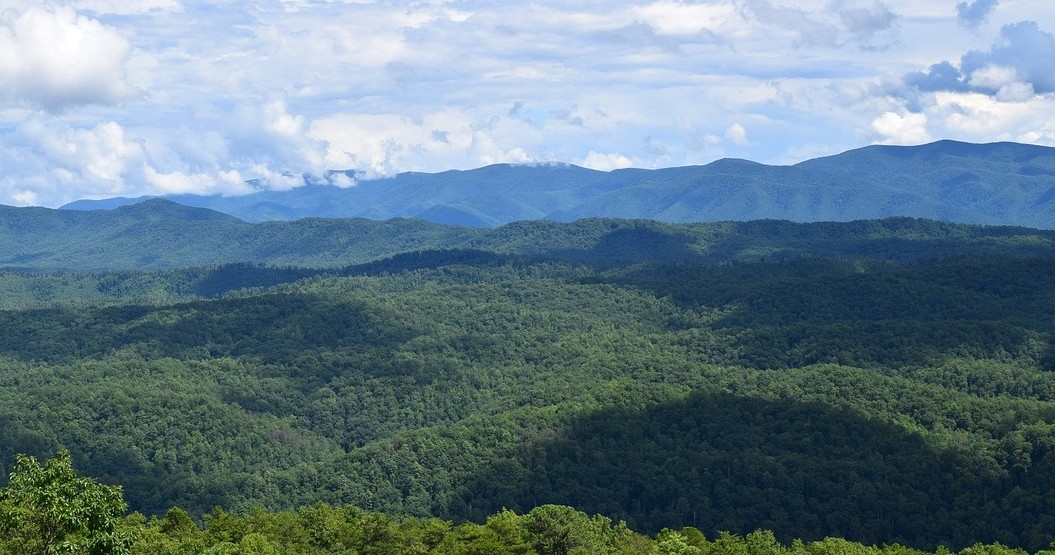
The engine settles into a low growl and the valley exhales. Mist clings to the ridgelines of the Smokies like a blanket left to dry; a scudding ribbon of sunlight pokes through the trees and sketches the dirt ahead. You pull on your helmet, tighten a strap on a cooler cramped into the cargo bed, and let the trail decide how your morning unfolds. That’s the opening scene for a day on a private UTV run with THREE Hours (price per vehicle, not per person), a small, flexible way to touch some of the Smokies’ most beloved landscapes without the fuss of long logistical planning.
These are not competitive races or backcountry extremes—this is practical, machine-mediated access to places many travelers only daydream about. Options include the full Cades Cove circuit (~4 hours), the shaded Roaring Fork corridor (~3 hours), the highpoint views at Clingmans Dome (~4 hours including approach), or quick town-to-trail connectors in Gatlinburg and Pigeon Forge (~2 hours). For riders looking for a longer immersion, operators stitch together multi-location runs that can stretch to a six-hour exploration through mixed terrain, scenic overlooks, and quiet forest tracks. Bookings are priced per vehicle, which makes this a smart choice for pairs or small groups who’d rather split a ride than each carry a carload of gear.
The geography you pass through is a study in contrasts: wide, pastoral hollows like Cades Cove where old stone walls and weathered barns still anchor the landscape, steep, spruce-cloaked ridges near Clingmans Dome, and narrow, rocky creek crossings where the water seems to dare you to linger. The Smokies are an ancient range, formed by tectonic collisions hundreds of millions of years ago; what you feel under the tires—rounded summits and narrow valleys—are the weathered remnants of mountains once far taller than today’s. That geological hum is also cultural: you’ll see vestiges of Appalachian life in the valley homesteads and the quaint, functioning craft stalls that still operate in towns along the park’s edge.
There’s a practical reason to let a UTV do the heavy lifting here. Many of these routes skirt National Park roads and private-access forest tracks that make a quick loop possible without committing to a long trailhead shuffle. Note: mechanized off-road vehicles are restricted within Great Smoky Mountains National Park boundaries, so reputable operators run permitted routes on adjacent National Forest lands and private property or arrange drop-offs and pick-ups that respect park regulations. If you want the convenience of wheels, a guided, permitted UTV run bridges access and compliance—helping you see more in a half day than many day hikers do in an entire afternoon.
The wildlife is part of the draw; deer and turkey often scatter ahead, while black bears patrol lowland berry patches. You’ll want to keep a respectful distance—these animals shape the rhythm of the place and are best enjoyed on their terms. Expect to stop frequently for photographs and short hikes; the machines are designed to carry gear (yes, you can fit a cooler or two) so you can pack lunch, water, and a warm layer for higher elevation stops.
Practicalities matter here: start early to beat afternoon storms and the weekend crowds, and bring a basic kit—helmet, boots, hydrapack, and a compact rain shell. Operators give a short safety briefing and show how cargo is secured; listen closely. On steep or rocky tracks, a patient throttle and steady hands outperform bravado. If you’re new to UTVs, pick a lower-traffic morning slot and consider booking a vehicle with an experienced guide or driver.
For photographers the light is often best in the first and last hours of a run: the valley fog softens edges and flattens contrast while ridgelines glow late in the day. If autumn is your aim, the visual payoff is undeniable—maple and oak turn the slopes into a moving fire of color, making October the sweet spot for foliage chases.
THREE Hours (price per vehicle, not per person) packages are straightforward: short runs for quick access, longer circuits if you want to linger, and a flexibility that suits families, friends, and small groups. Secure reservations early for weekends and peak foliage windows; private spots disappear fast. If you want to read more about specific private UTV routes and book a slot, check out this Three Hours private UTV adventure page for route options and availability. For a teaser of what a Cades Cove loop feels like from the driver’s seat, the operator’s booking link lays out times and customizations cleanly: book a private UTV adventure.
Why do this instead of hiking? Speed and reach. You’ll trade a bit of solitude for access to multiple micro-environments in a single morning, and the shared cost per vehicle often makes the math sensible for two to four people. It’s an approachable way to experience the Smokies’ natural variety without committing to multi-day logistics, and with the right operator, it’s an education as much as an adrenaline boost.
The Smokies have a particular cadence—fog, then sun; wind, then silence; fields, then forest. A short UTV loop with THREE Hours doesn’t try to conquer it; it aims to bring you close enough to notice the details. If your travel style values smart access, local insight, and a day that feels full without being exhausting, this is the kind of run that will leave you planning your next visit on the drive home.
More details, booking options, and specific route descriptions for Cades Cove, Roaring Fork, and other runs are available at the operator’s page: Three Hours Private UTV Adventure.