-large.webp)
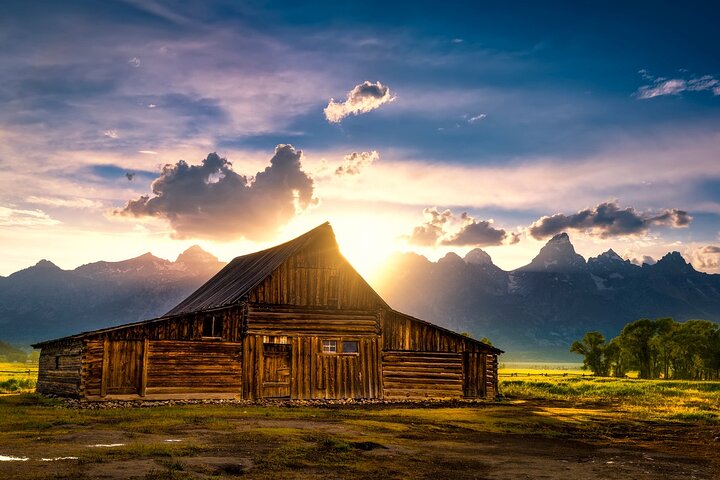
When the alarm goes off before the sky lightens, there’s a moment of decision that feels domestic and elemental at once: stay under the blankets, or join the mountain as it wakes? Choose the mountain and you find yourself on a narrow road that winds toward the Teton Range, headlights cutting through frosted sage. By the time you clip into your skis the world has been pared back to essentials — breath, heartbeat, and the hush of a valley that still remembers the night. The early glow arrives like a promise. Pines frame the rising sun, cornices sharpen into silhouette, and the first tracks across an uninterrupted slope look like a personal invitation: come claim a line. That’s dawn patrol in Jackson Hole — not a single run but a ritual of intentional early-morning departure, crisp air, and the rare combination of technical challenge and cinematic scenery.
The Tetons are as honest as they are dramatic. Geologically young and steep, the range rose in a series of dramatic uplifts around 9–13 million years ago, leaving a skyline of jagged peaks — Grand Teton at 13,775 feet dominates the roster — that drops suddenly into Jackson Hole’s valley floor. That abrupt relief makes for vertical skiing that’s as much about exposure and terrain reading as it is about speed. In winter, the face of the mountains can change hour to hour: wind scours ridge crests into icy veneers; lee slopes load with drifted powder; south-facing aspects glue the snow into heavy spring corn. The area’s climate is defined by continental extremes — cold, clear nights and rapid daytime sun — and by the constant negotiation between storm cycles that feed deep powder and fierce winds that reshape it.
The human story in these foothills predates the postcard. Shoshone bands hunted the valley for generations; later, mountain men and fur trappers used the lowlands and passes as practical corridors. Today, Jackson’s culture still tastes faintly of that history: wooden porch railings, elk antler arches, and a local ethic built on practical outdoorsmanship. Ski culture here blends the high-performance demands of steep, technical terrain with a community that values stewardship; local guiding outfits and the Grand Teton National Park stewardship programs keep recreation and conservation in a careful dance.
Why travel four or six hours to make your first turns of the day? Because the Tetons offer runs that vary from glade-filled tree skiing to long alpine descents with 2,000–3,000 feet of continuous vertical. You can lap below the ridge lines for short, steep bursts; or, with a skin or a cat-assisted approach, connect long lines that descend through bowl and timber into the valley. Expect a mix of packed approaches, wind-scoured ridgelines, and sheltered basins that preserve light, pillow-soft powder after a storm. The technicality and exposure demand humility and basic avalanche sense — the Tetons reward measured risk with a sense of unrivaled place.
Practical guidance: if you’re hunting dawn patrol, plan for pre-dawn starts, 1,000–3,000 vertical feet of movement depending on your line choice, and variable terrain underfoot. Typical approaches may be short skin-ups from trailheads for east-facing laps, or longer climbs and ridge traverses in the alpine. Altitude difference between the valley (about 6,200 feet) and many classic descents means you’ll be moving across thin air; expect higher heart rates and slightly reduced exertion capacity until you acclimate. Check the Teton Avalanche Center before you go, and carry a beacon, shovel, and probe. If you don’t have avalanche training or backcountry experience, hire one of Jackson’s many certified guides — they know safe lines, unwritten hazards, and where to find fresh snow.
Timing and kit matter. Dress in breathable layers that allow for intense effort and cold descents; a lightweight shell and a mid-layer you can shed on a skin track are ideal. Early morning winds make a face mask or buff more than a nicety; pack goggles with low-light lenses for pre-dawn visibility. Hydration is a sneaky challenge in cold air: warm beverages and insulated bottles help keep fluids from freezing and encourage steady sipping. Lastly, respect wildlife closures and private inholdings — many productive skiing zones sit above sensitive winter ranges.
Logistics: Jackson Hole Airport is the most convenient gateway; from the town of Jackson you’ll find trailheads and guiding operators that cater to everything from beginner uphill tours to expert couloir descents. Parking at popular winter trailheads can be limited; carpool or aim for very early arrivals to avoid scrambling for space. If you’re planning multi-day objectives, check current regulations for backcountry camping and winter closures.
Beyond the turns, the valley provides thoughtfully rugged comforts: a small but lively après-ski scene, cowboy-influenced eateries, and warm lodges where local guides trade route notes over coffee. Whether you come for the powder, the challenge, or the geometry of light on granite, dawn patrol in the Tetons delivers a compact, honest encounter with mountain weather, vertical terrain, and a place that refuses to be neutral.
If you go: prioritize safety and local knowledge, respect fragile wildlife wintering areas, and let the mountain set the pace. The reward isn’t just the perfect line; it’s the way the first morning light reorients your senses and leaves you quieter, sharper, and ready for the next ascent.