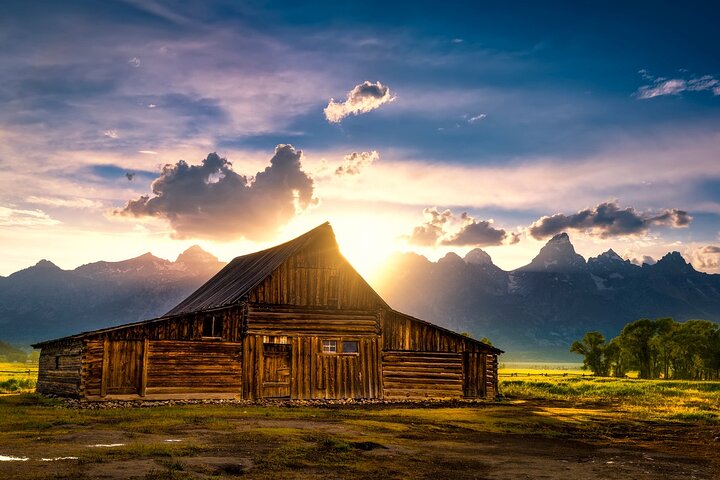
Morning Light on the Tetons: A Day Tour That Makes Mountain Time Feel Manageable

Morning Light on the Tetons: A Day Tour That Makes Mountain Time Feel Manageable

A compact, well-paced day to see the Tetons’ highlights—peaks, lakes, wildlife, and cultural landmarks

Continue Reading

You step off the coach as the range bluntly interrupts the horizon—granite teeth rising from the valley floor, their faces still dusted with the slow melt of winter. The air smells of sage and cold river water. For eight hours, this is the rhythm: slow approaches to great views, short walks that pry open details—lakes that reflect the peaks like glass, an old chapel framed by aspens, and the wide, sedate curve of the Snake River daring you to lean closer. The Grand Teton National Park Tour from Jackson Hole packages these moments into a day that feels both leisurely and elemental.

There is a pragmatic reason this trip works: it leans on logistics and timing. You leave from Jackson—an alpine town with more fly shops than traffic lights—and in minutes the landscape thins from town to sagebrush to avalanche-scarred slopes. The coach delivers context from a guide who blends geology and local lore. Learn why the Tetons look raw: unlike ranges shaped by endless folding, the Teton Range rose relatively recently in geologic terms as the Teton fault thrust the crust upward roughly nine million years ago. That uplift, paired with Pleistocene glaciers, carved the knife-edge ridges and deep valleys you’ll see.

This tour stitches together the park’s essential frames: Jenny Lake’s mirror, Jackson Lake’s chill expanse, and the sinuous Snake River. It pauses at cultural waypoints—Chapel of the Transfiguration, a tiny church whose window frames the peaks; Menor’s Ferry, a remnant of homesteader life listed on the National Register of Historic Places. You're not just seeing icons; the guide gives the human and natural history behind them: early fur trappers, Mormon homesteaders, and the conservation campaigns that led to Grand Teton’s protection in the early 20th century.

Wildlife is part of the draw and the gamble. The valley is honest about its residents—moose browse willows in the morning, beavers work silently at night on ponds, and bald eagles quarter the skies. Guides on the tour know where to look and when to stay patient, which raises the odds of a meaningful sighting without turning the day into a wildlife safari where rules and distance collapse.

Practicalities matter, and the tour is built around them. It’s an eight-hour experience with guided short walks—think 0.5–2 mile excursions rather than full-throttle hikes—so you’ll get into the landscape without committing to steep elevation gain (the trailheads are largely at valley-floor elevation, around 6,700–7,000 feet). That makes it an excellent option for mixed-ability groups and travelers who want depth without a long, technical day.

Why would you pick this over driving yourself? For one, the narrative. Local guides stitch geology, ecology, and history into each stop, and the coach means no parking roulette at peak spots. For busy travelers or those visiting Jackson Hole for a short stay, this day tour is an efficient way to see the park’s essentials: the views at Jenny Lake and inspiration points, a float of scenic overlooks along the Snake River, and cultural stops that give the place context.

Timing is everything. Start early: mornings have the softest light on the western faces of the Tetons and the highest chance of wildlife activity. Bring layers—the valley can go from sun-warm to wind-blasted in an hour—and comfortable shoes for uneven boardwalks and short alpine trails. Hydration and sun protection are pragmatic priorities; the air is dry and UV is stronger at altitude. The tour price reflects the value of a curated day (current rates start around USD 326.70 with modest extra charges); given the logistics it’s a reasonable exchange for a local-driven view into the park.

There’s a quiet social layer to the day. On the Chapel of the Transfiguration spit of land, people lower their voices; at viewpoints the rhythm is communal, someone always offering a pair of binoculars or a travel story. Menor’s Ferry is a reminder that this valley—so clean and wild-feeling now—has long been a worked landscape, a node of settlers, guides, and conservationists.

For photographers, this tour is forgiving: you can expect many classic frames with easy access. For families and older travelers, the short walks and coach comfort make the day manageable without feeling diluted. For active hikers, think of this as reconnaissance—scouting for more ambitious treks or boat launches for future visits.

Grand Teton

If you only have one day in the Tetons, this tour gives you a compact, layered visit: peaks, water, wildlife, and human stories. It doesn’t replace a multi-day expedition into the backcountry, but it does something more modest and useful—it sets a foundation. You’ll leave with a map of the valley in your mind and concrete options for what to return for: an early-morning paddle on Jackson Lake, a Jenny Lake loop when you have the legs for seven miles, or a night under the stars where the mountains throw their long shadows across the valley floor.

On practical terms: book with the small-group guarantee in mind (the operator reserves the right to cancel with short notice if minimum numbers aren’t met), arrive in Jackson a day early if flights are weather-dependent, and bring a printed or offline map—cell coverage is patchy. Respect the wildlife: give animals space and follow your guide’s lead. Do that, and the Tetons will give you exactly what this tour promises: time well spent in a landscape that is simultaneously blunt, generous, and quietly human.

Duration8 hours
Group Size1–9 Guests
LanguagesEnglish
Rating4.7 (140 reviews)
Plan your visit

Trail Wisdom

Start early

Morning light sharpens the peaks and increases wildlife sightings—be on the road by sunrise where possible.

Layer up

Temperatures can swing quickly near the lakes and river; pack a lightweight insulating layer and a wind shell.

Bring binoculars

A compact pair will make distant eagle or moose sightings far more rewarding, especially from overlooks.

Respect wildlife distance

Always follow park and guide instructions—stay at least 25 yards from most large animals and 100 yards from bears and wolves.

Local Knowledge

Hidden Gems

  • Oxbow Bend at sunrise for reflective river-and-peak photos
  • Hidden beaver ponds along the Moose-Wilson Road—quiet and good for birdlife

Wildlife

Moose, Bald Eagle

Conservation Note

Stay on designated trails and keep distance from wildlife; pack out all trash and avoid disturbing shoreline vegetation to protect fragile riparian zones.

The valley was a crossroads for Shoshone people, mountain men, and early homesteaders; public land protections advanced in the 20th century led to the park’s modern configuration.

Seasonal Guide

spring

Best for:Migrating birds, Waterfalls at peak flow
Challenges:Road patches and late snow, Unpredictable weather

Spring brings thawing snows and strong runoff; access to higher trailheads may be limited but low-elevation viewpoints are dramatic.

summer

Best for:Full access to roads and trails, Stable weather and long days
Challenges:Crowds at popular viewpoints, Higher daytime temperatures

Summer is the easiest season for this tour—roads and facilities are fully open and wildlife viewing in mornings and evenings is best.

fall

Best for:Autumn color and fewer crowds, Elk rut and wildlife activity
Challenges:Shorter daylight hours, Chilly mornings and possible early snow

Fall offers crisp light, migrating birds, and the elk rut; consider warmer layers and aim for early departures.

winter

Best for:Snowbound landscapes (for a different view), Cross-country experiences nearby
Challenges:Most park roads and facilities closed, Tour operates primarily in warm months

Winter transforms the Tetons into a high-contrast landscape—this specific full-day coach tour runs mainly in warmer months; winter options require specialized operators.

Photographer's Notes

Shoot Jenny Lake early or late for calm reflections; use a polarizer to cut glare on water, and bring a long lens (200–400mm) for distant wildlife—always prioritize safety and distance when photographing animals.

What to Bring

Layered clothing

Essential

Quick-dry base, insulating midlayer, and a windproof shell handle valley swings.

Sturdy trail shoes

Essential

Closed-toe shoes with tread for boardwalks and gravel beaches are recommended.

○

Binoculars

A compact 8x42 helps spot eagles, beavers, and distant ungulates.

Hydration pack or water bottle

Essential

Dry air and altitude increase dehydration risk—carry at least 1–2 liters.

Common Questions

How long is the tour?

The tour lasts approximately eight hours, including several guided short walks and multiple viewpoint stops.

Will I see wildlife?

Guides know good viewing windows but sightings aren’t guaranteed; moose, beavers, and eagles are commonly seen in the valley.

Is this tour suitable for children or older travelers?

Yes—walks are short and the coach minimizes strenuous activity, but participants should be comfortable with brief uneven terrain.

Do I need a park pass?

The tour operator typically includes park entrance fees in the price, but confirm at booking if that’s part of the fare.

What should I wear?

Dress in layers; mornings are cool and afternoons can warm—include a windproof layer and sun protection.

What if the tour is cancelled?

The operator reserves the right to cancel with 48 hours’ notice if minimum participants aren’t met; a full refund or rebooking is standard policy.

What to Pack

Water bottle or hydration pack (stay hydrated at altitude); layered jacket (temperature swings); binoculars (wildlife viewing); sunscreen and hat (strong UV exposure)

Did You Know

The Teton Range began uplifting roughly nine million years ago, making it one of the youngest ranges in the Rocky Mountains—glaciers later carved its dramatic valleys and cirques.

Quick Travel Tips

Fly into Jackson Hole Airport (JAC); arrive in Jackson the day before to acclimatize; carry cash or card for park passes though tour may include fees; expect intermittent cell service in the park

Local Flavor

Post-tour, head back into Jackson for a hearty meal—try Snake River Grill for regional bison or elk dishes, and stop by Snake River Brewing for local brews; galleries along the Town Square highlight Western art tied to the valley’s ranching and conservation history.

Logistics Snapshot

Closest airport: Jackson Hole Airport (JAC); Driving distance from Jackson to central park stops: 10–30 miles; Cell service: intermittent in the park—download maps; Permits/Passes: park entrance fee or national park pass typically required (confirm with operator)

Sustainability Note

Grand Teton’s riparian and meadow habitats are fragile—stay on trails, pack out waste, and observe wildlife from safe distances to minimize disturbance.

Topics

Included

  • Hotel pickup and drop-off
  • Spotting Scope
  • Bottled water
  • Professional guide
  • Binoculars
  • Snacks

Good to Know

  • Service animals allowed
  • Public transportation options are available nearby
  • Suitable for all physical fitness levels
  • Please note we do not pick up at guest lodging - specific pick up locations are provided when booking
  • Minimum age is 8 years