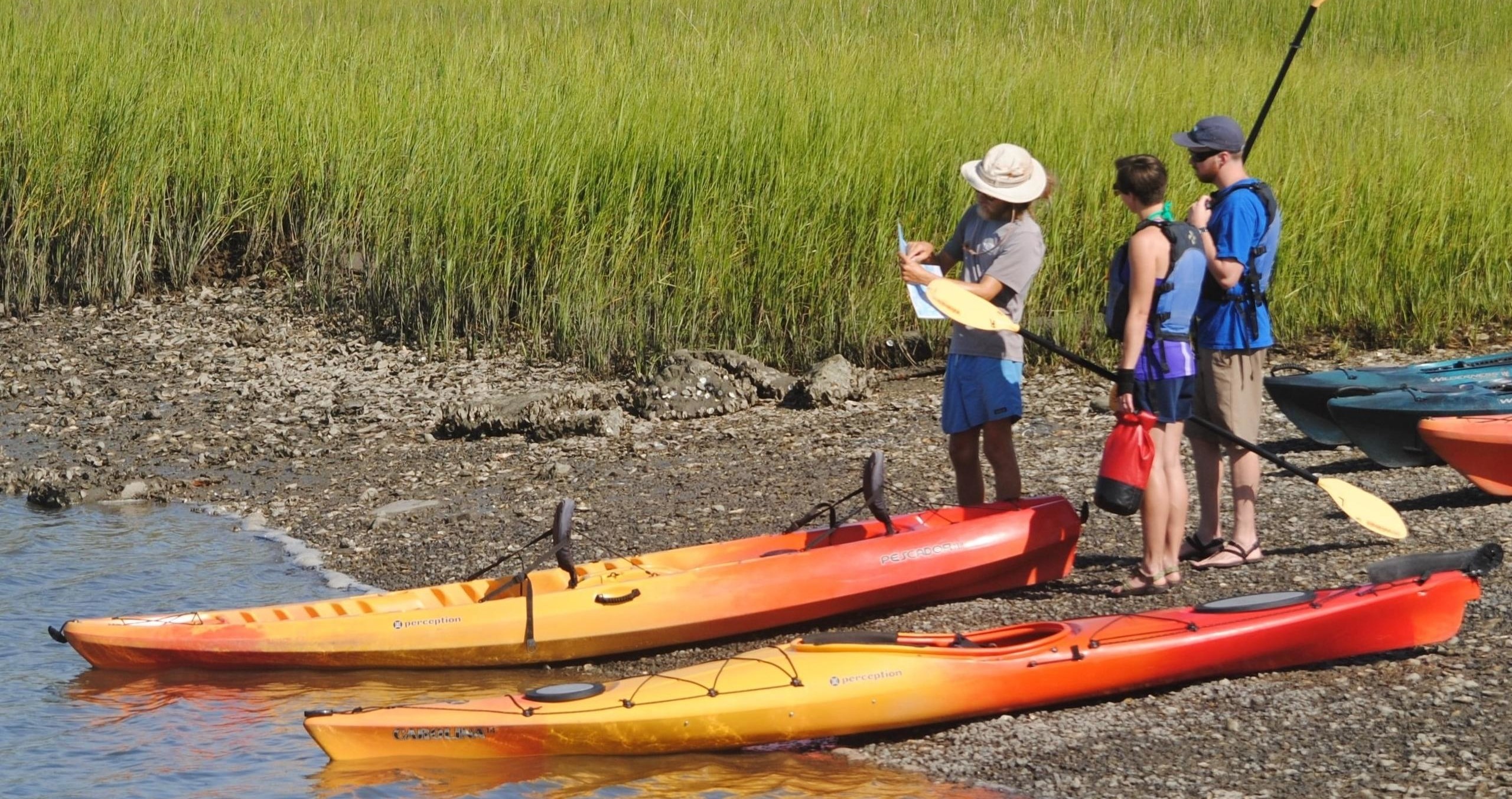
At slack tide, the marsh exhales. The spartina flattens into a green quilt and the creeks, slick as glass, seem to whisper—go now. You slide a kayak off the dock and the pluff mud gives its earthy hello, that briny perfume the Lowcountry wears like a signature. Dip a blade and the creek welcomes you, an easy pull seaward as if the current has decided you’re worth showing around.
A four-hour rental is the right-size key for this water labyrinth: enough time to learn the creek’s mood, ride a tidal push, and still be back in time for oysters at sunset. With basic paddle instruction and a local tide map in your dry bag, the route feels intuitive—follow the bends, read the wind, give the oyster beds their space. This is no theme-park river; the marsh insists you pay attention. Out here, a fiddler crab traffic jam clatters at your passing, and a great egret—impossibly white—lifts off like a handkerchief caught by the breeze.
Kayaking these creeks is the most honest way to meet the Lowcountry, and booking through Charleston’s trusted outfit for 4 Hour Kayak Rentals keeps it simple. The team hands you a stable sit-on-top or light touring kayak, fits you with a vest, and talks through the plan—tide timing, wind direction, sandbars to avoid. If you want the full lowdown and easy online booking, start with the local guide here: https://app.advcollective.com/local-experts/charleston-4-hour-kayak-rentals. That link is the doorway to an uncomplicated day on the water.
This is a landscape stitched together by history and tide. Long before Charleston’s pastel mansions and rooftop bars, the Gullah Geechee people shaped life in and around these marshes, and their language and foodways still anchor the region. Look around and you’re observing a living machine: spartina alterniflora converts sunlight into feasts for snails, crabs, and shrimp, oyster reefs gather the chop and filter the water, and bottlenose dolphins patrol the edges like silver-gray wardens. The geology is restless; barrier islands shift with storms, inlets open and close, and the creeks snake across the glistening plain as if drawing and redrawing a secret map every season.
Timing matters. Charleston’s six-foot tidal swing is the unseen motor in this story, and you can feel it under your hull. Plan to head out with the last of the ebb or the first of the flood and the marsh will carry you—helpful but not bossy—out to wider water, then usher you home. It’s not just efficient; it’s more interesting. You learn to read the water’s tells: an oyster bed winks in the sun, a wind line wrinkles a slick, a current seam stitches two colors together. The marsh doesn’t yell; it nudges.
On a good day, you will hear dolphin breaths before you see them: a soft whoosh, then a dorsal fin slicing the creek like a calligrapher’s stroke. Osprey stand on channel markers with the posture of royal guards. Tri-colored herons work the shallows—deliberate, precise—as if counting shrimp. In summer, the sun presses hard, but the creeks offer shade along their meanders, and the breeze tugs at your hat like a friendly reminder to reapply sunscreen. In shoulder seasons—spring and fall—the air is bright and forgiving. Winter brings quiet water and huge skies.
Between strokes, you can trace the human layers. Rice culture made fortunes upriver, the Civil War scarred the shoreline, and conservationists later fought to protect what’s left. Today, oyster restoration projects rebuild living reefs with bagged shells, and paddlers learn a simple rule: see an oyster bed, steer clear. Those reefs are nurseries for tomorrow’s dinner and storm buffers for the next big blow. Respect them and they’ll soften the coast’s hardest days.
Four hours is plenty to make a loop that feels like an odyssey—far enough to lose the hum of the road, close enough that you’re never out of options. If the wind rises, tuck into side creeks. If a summer storm skates across the horizon, raft up beneath a marsh edge and let it pass. Keep the map handy and the tide clock in mind. The marsh rewards those who listen.
The romance here is quiet and earned. Your shoulders settle into a rhythm. The current shows you a shortcut. The oyster beds insist on sharp turns and careful edges. And the creek—never in a hurry—still manages to push you forward. If you need a straightforward way to make this happen, consider these easy-to-book, locally run 4 Hour Kayak Rentals: https://app.advcollective.com/local-experts/charleston-4-hour-kayak-rentals. It’s a small decision that unlocks a big landscape.
When you glide back to the dock, salt crust on your forearms, tide reversing like a deep breath drawn in, the marsh seems pleased. You paid attention. You worked with the water—not against it. And in return, the Lowcountry showed you what it does best: transform simple hours into a story you can still hear in the hush of the next incoming tide.


