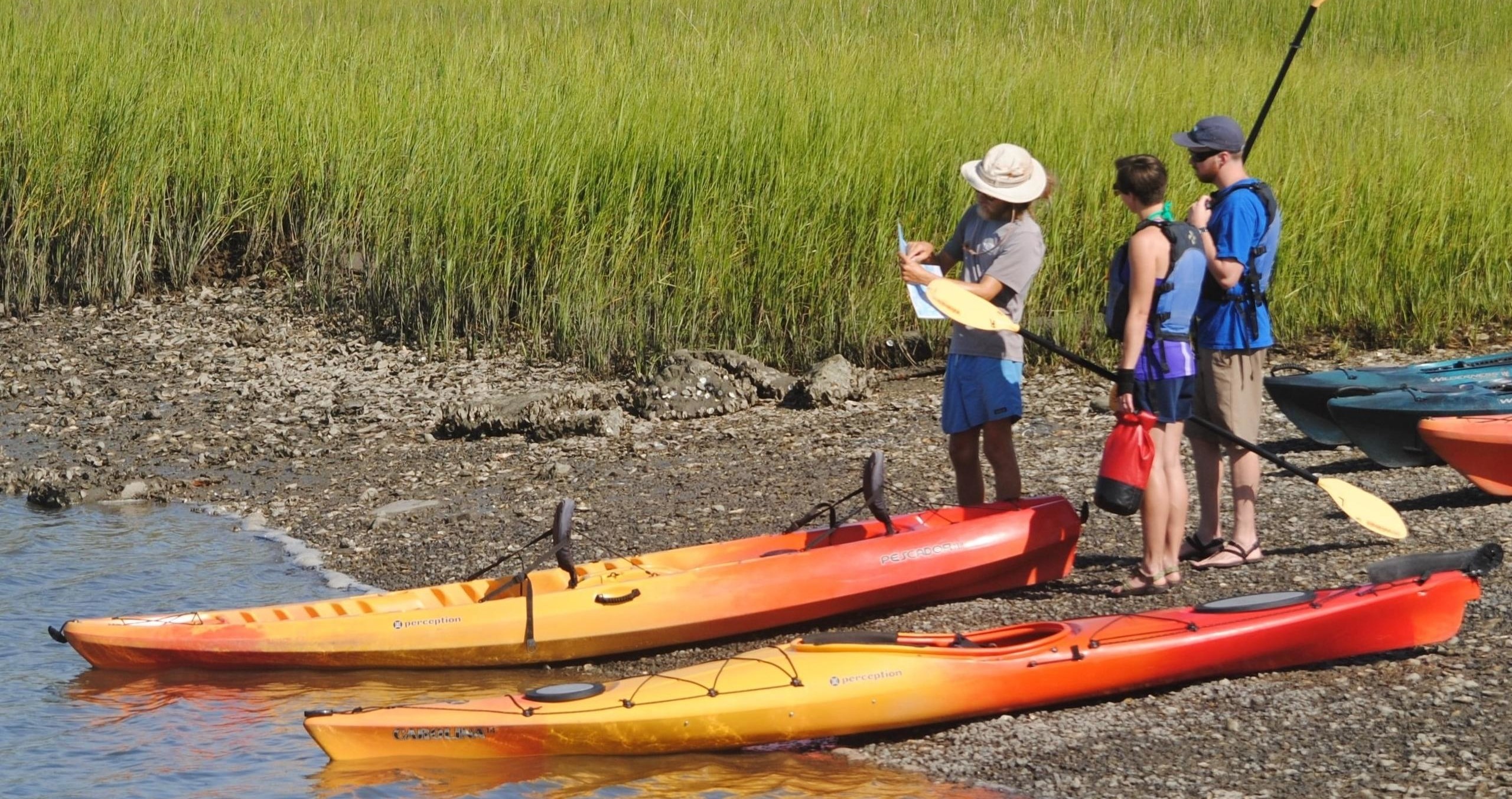
The day begins in brackish quiet. Spartina grass leans with the tide like green metronomes, and the Folly River slips past the dock in amber ribbons. You push off into the calm, the outboard’s hum folding into the rustle of the marsh. Ten minutes later, a gray back surfaces beside the boat—a bottlenose dolphin, unhurried, as if the river itself decided to breathe. Another follows. A slick dorsal fin cleaves the water and vanishes. The Lowcountry makes a point: it’s alive and paying attention.
This is the draw of a private two-hour boat tour behind Folly Beach, the sweet spot where adventure and ease overlap. In these back creeks and inlets, dolphins rule the tempo. On good days they travel in small groups, drifting along current seams, nudging mullet into tighter schools. When the conditions line up—tide just right, baitfish distracted—you might witness “strand feeding,” a rare and showstopping behavior in which dolphins herd fish onto a mudflat, then slide out after them in a flash of precision and pluff mud. It happens in only a handful of places on Earth, and the waterways behind Folly are one of them.
The landscape here is an education in edges. Barrier island, tidal marsh, and inlet all stack together, stitched by creek mouths and winding cuts that catch the light like mirrors. The tides—swinging five to six feet on an average day—breathe the marsh in and out, feeding a food web that starts microscopic and ends with the dolphin that just surfaced on your beam. Osprey loft above the spartina and pause, talons open, before dropping like arrows. Pelicans commute in slow-motion Vs. If you’re lucky, an eagle will patrol the treeline or a loggerhead sea turtle will rise with a quiet exhale and an eye as old as the coast.
There’s history under these waters, too. To the northeast sits Morris Island, a shifting sandbar of a barrier island and the stage for Civil War chapters including the 1863 assault by the 54th Massachusetts at Battery Wagner. The Morris Island Lighthouse, completed in 1876, stands sentinel just offshore—now stranded by erosion, a stately brick pillar keeping memory even as the sea redraws the map. From the boat, you’ll catch glimpses of the lighthouse and understand why mariners have always measured their fortunes by this harbor.
Charleston’s maritime culture still thrums in the background: shrimp boats chug the channels, and the scent of pluff mud—a Lowcountry perfume that locals swear spells home—rises and falls with the tide. This cruise is less a race to a destination than a conversation with a place. The current nudges. The breeze edits the heat. The dolphins do what they choose, and you, for once, are content to follow.
Because the boat is private, you set the tone: families looking for a gentle first taste of the salt marsh; photographers chasing clean light and clean horizons; travelers curious about wildlife and the quiet drama of tide country. The captain will steer the day across creeks like fingers fanning outward, shifting silently between bird rookeries, oyster banks, and clean seams where dolphins like to feed. There’s built-in flexibility—linger when activity pops, move when it doesn’t, and keep scanning. Part of the joy is the search.
Practical matters make it easy. This is two hours dock-to-dock, with a cooler of ice and bottled water aboard. Bring a hat and sunscreen, dress for the weather, and toss a few snacks in a small soft cooler (no glass). The waters behind Folly are typically calm, but they are in constant conversation with wind and tide; non-marking shoes with grip go a long way. Photographers will want a zoom lens in the 70–200mm range and a polarizer to cut glare across the slick water. Binoculars pay off when ospreys hover. If you’re timing the outing, early mornings and late afternoons usually mean softer light and more wildlife movement.
For those curious to go deeper, this marsh offers a living textbook in barrier-island geology and conservation. Oyster reefs stitch the creeks together and build breakwaters that slow erosion. They also filter water—up to 50 gallons per oyster per day—so every cluster you pass is part of the estuary’s housekeeping. Respect that role: keep distance from rookery islands and never feed or attempt to touch wildlife. Dolphins here are protected by federal law; responsible viewing means maintaining space and letting them choose the encounter.
If you’re planning your Charleston itinerary, this cruise pairs well with a leisurely beach morning on Folly or a sunset oysters-and-beer run to Bowen’s Island Restaurant afterward. It’s the kind of coastal day that accumulates—no single big moment, just a sequence of small, vivid ones. A slick fin. The periscope blink of a turtle. The way a brown pelican folds into the river like a dropped stone. And sometimes, if the tides and fish and dolphins agree, a strand-feeding run that makes the boat go silent with awe.
Ready to plan it? Book a private Folly Beach dolphin tour and let the marsh set your pace. Curious about behavior and best viewing etiquette? Read up before you go, then bring your questions aboard—this is as much a learning experience as a sightseeing one. If you’re chasing that cinematic moment, aim for the golden hours and keep eyes on shallow mudflats on a mid-to-falling tide. The marsh will whisper hints. The dolphins will do the rest.
Travel well, tread lightly, and let the Lowcountry show you how to slow down. For more details, routes, and local guidance, check out our guide to dolphin watching in Charleston’s tidal creeks. This is a simple outing with a high return: two hours where the river breathes, the boat drifts, and the coast reminds you why wild edges matter.