Why Pāhoa Belongs on Your Island Itinerary
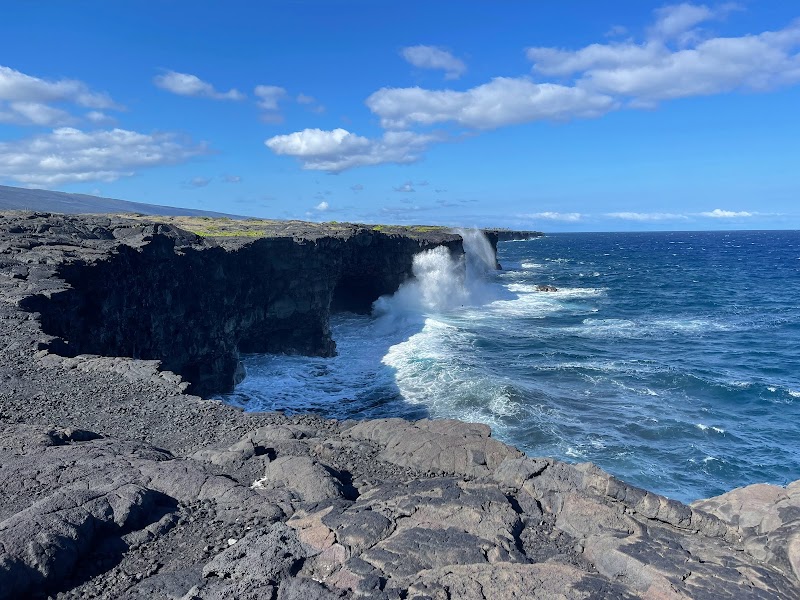
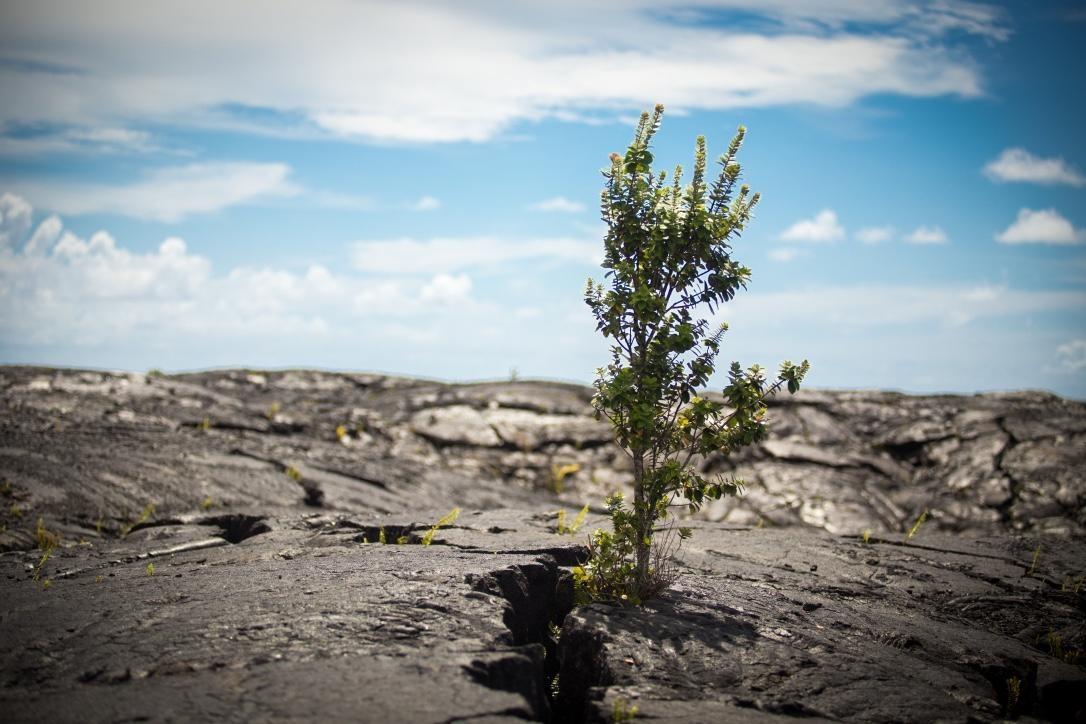
The first hour after sunrise in Pāhoa feels like stepping into a naturalist’s notebook. Mist hugs the understory of kukui and ohia trees while distant surf throws thin curtains of spray over jagged black rock. Walk a short coastal trail and the map flips—lush gulches inland, a ribbon of palm-fringed sand, and then the geometry of fresh lava flows folding into the sea. That sudden contrast is the island’s charm: every turn can be a new microclimate and a new frame for photography.
Pāhoa’s appeal for travelers is practical as well as elemental. It’s an approachable base for a broad spectrum of activities—sightseeing tour circuits that thread cultural stops and lookout points, eco tours focused on native flora and fauna, guided hikes that read like geology lessons, and water-based outings from snorkel swims in protected tide pools to kayak launches on calmer bays. For photographers, the convergence of vivid flora, dramatic coastline, and evening light produces distinct opportunities at dawn and dusk. For families and casual explorers, easy walking tours and bus- or boat-based options let you absorb the landscape without committing to technical gear.
This place also rewards curiosity with layers of human history. Local artisans, small farms, and community markets anchor the town; a casual stop at a café often comes with an exchange about fishing spots, where to see sea turtles, or whether the tide pools are calm enough for kids. Respect for wahi pana (cherished places) is part of the local rhythm—signs, seasonal closures, and ranger advice are the simplest way to fold cultural awareness into any outing.
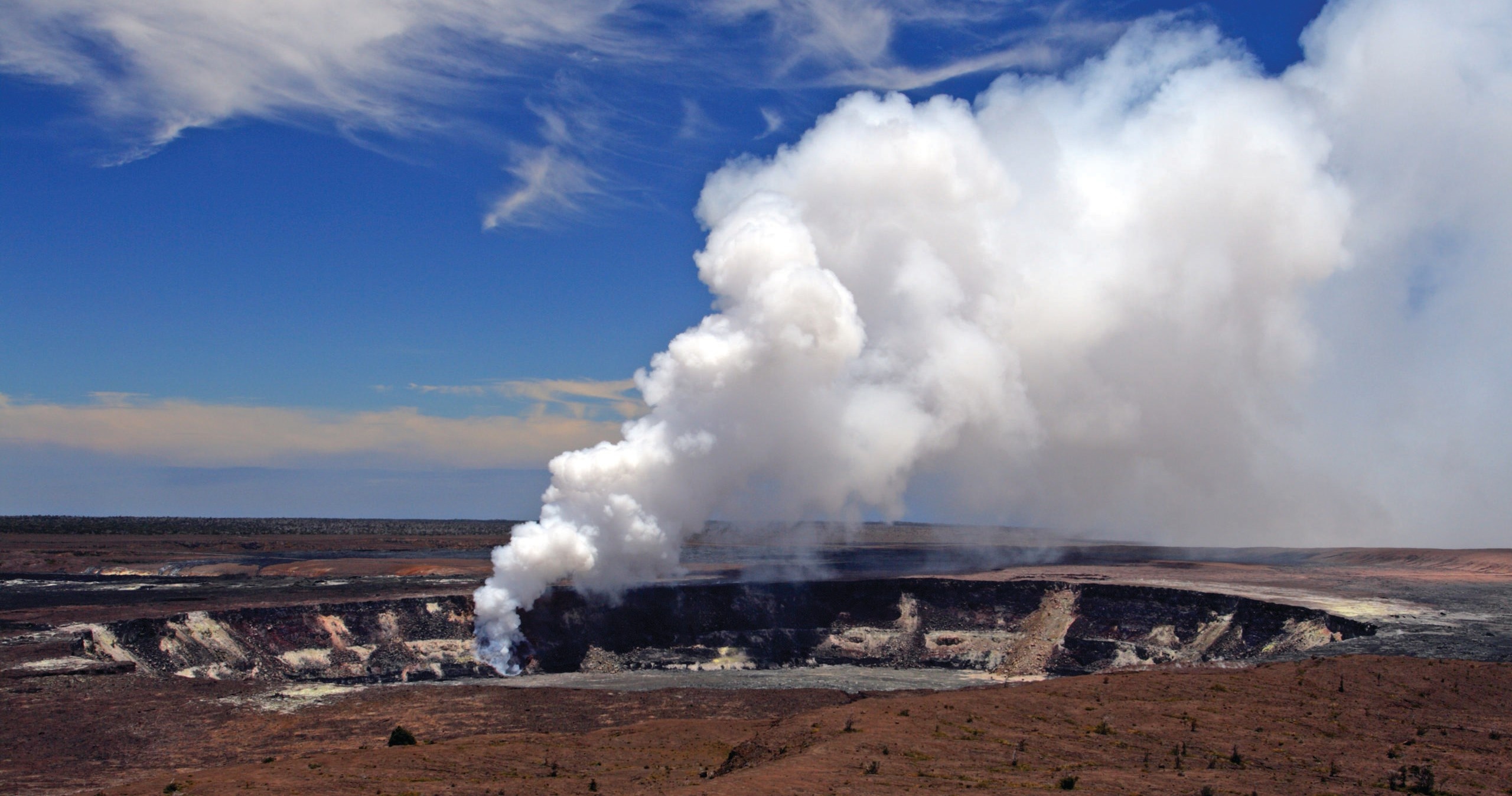
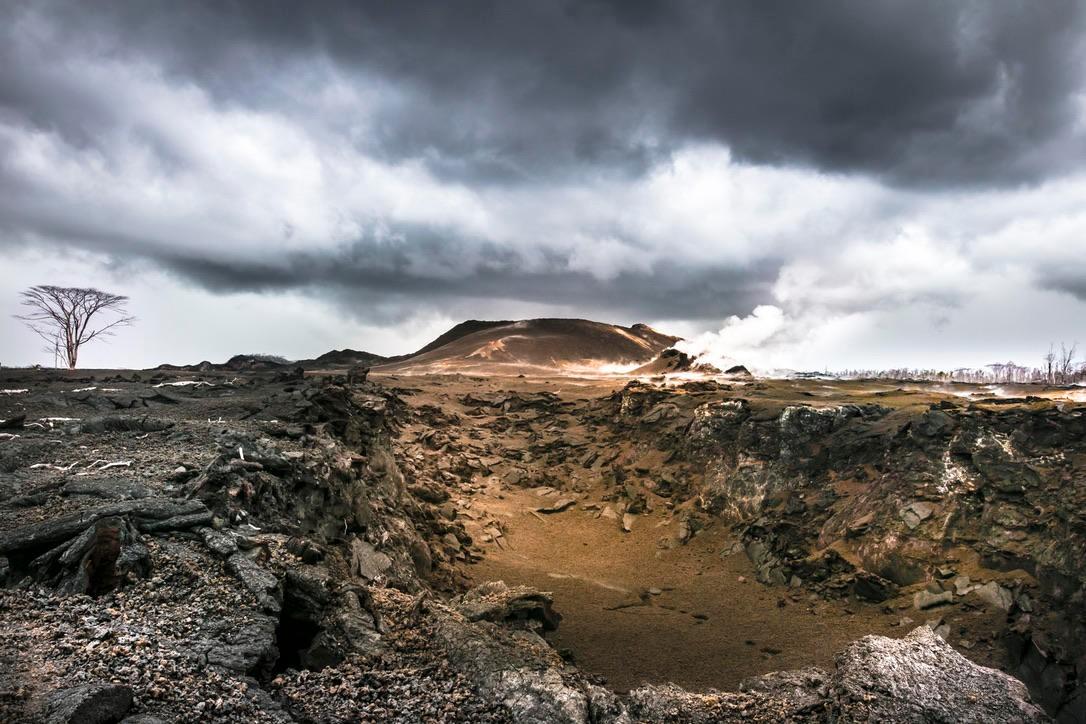
Practical planning matters here because nature moves quickly. Weather switches from gentle trade winds to brief tropical showers; ocean conditions change with swell and tide; and volcanic activity has, at times, reshaped shorelines and access points. That variability is part of the learning curve—and part of the reward. With modest preparation—sun protection, reef-safe sunscreen, sturdy shoes, and a waterproof bag—you can sample snorkeling, scuba, kayak, fishing, and short climbs in a single day. Opt into guided options for boat tours, scuba, and any route that crosses unstable volcanic terrain; guides carry local knowledge you won’t find on a map and they keep safety and cultural protocol front of mind.
In short, Pāhoa is for travelers who want the immediacy of raw landscapes alongside the practical comforts of a small-town base: food, local craft, and easy access to the kinds of outdoor activities that turn a trip into a story.
Accessing Pāhoa is straightforward from larger hubs on the island, and the compact nature of Puna means you can pair a morning hike with an afternoon snorkel at a tide pool or a late-day boat tour. Outfitters in and around town offer guided hiking, kayak and snorkel gear, and photography tours tailored to sunrise and sunset light.
Because conditions can change quickly, prioritize flexible plans: book local guides for activities that depend on swell or visibility, and leave itinerary gaps that allow you to chase calm water or clear skies for photography and scuba.
Pāhoa’s advantage is variety without surrendering the day to long transfers.