The Adventure Collective Journal · Regional guide

Greater Miami & the Beaches

Follow the city to its watery edges: a morning on the Atlantic, a peninsula of coastal woods, and a bay best approached slowly.

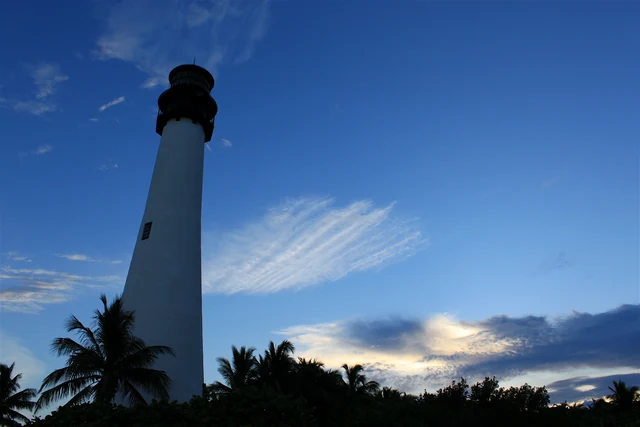
A white lighthouse with a dark lantern rises above palms against a blue evening sky.
Cape Florida Lighthouse above the beachside palms on Key Biscayne, in a historical photograph uploaded in 2012. · Photo: Bradleyjs34 / Wikimedia Commons, CC BY-SA 3.0 · CC BY-SA 3.0 — image and resized versions · Full-frame proportional Lanczos resizing and WebP compression; no crop, retouching or generative change. Embedded ICC profiles converted with Pillow ImageCms to sRGB before resizing where present, output sRGB ICC embedded; original EXIF stripped, credit/license/provenance retained in XMP and manifest.

A little less driving. A little more time outside.

Miami has more than one horizon. On the ocean side, a strip of sand opens into Atlantic blue. Across the bay, the city gathers around marinas and waterfront parks; farther south, mangroves make a different kind of shoreline. The rewarding trip is not a sprint between all three. Give each edge a day, and leave room for the weather to rewrite the order.

This is an outdoor city break with a bed to come back to. Walk first, learn what the water is doing, then decide whether to enter it. A paddle or boat outing can deepen the trip, but the shore is a destination in its own right. You do not need an offshore crossing to find a quieter South Florida.

Choose where to linger

Choose your side of the water

Pick one address and unpack. These two options change the emphasis of the trip, not the need to move hotels.

01

Miami

Coconut Grove gives this trip a bayside center of gravity. Its parks, marina setting and compact shopping streets make it a comfortable place to spend the hours between excursions. Choose it if you want a neighborhood evening after a day outside. Miami is the overnight base throughout the itinerary; allow each outward trip its own unrushed block of time.

02

Miami Beach

Choose Miami Beach instead if waking near the ocean matters more than being on the mainland. The Beachwalk makes a short morning outing easy to scale up or down. It is an alternative stay, not a second check-in required by this guide; reaching the mainland and the southern park outing still needs advance transport planning.

Ways into the landscape

Three ways to meet the shoreline

01

Let the Atlantic set the pace

Start near South Pointe Park and follow a manageable stretch of the Beachwalk north. Pavers put the ocean within reach without committing you to walking on soft sand. Make this an out-and-back, turning when you still have energy for the return, rather than treating the entire waterfront as a mileage target. Pause for the shift from promenade to open beach; a shoreline walk remains worthwhile when swimming conditions are poor.

02

Coastal woods and the Cape Florida shore

At Bill Baggs Cape Florida State Park, pair the western nature trails with time beside the ocean. The contrast is the attraction: enclosed vegetation, then the lighthouse and a wide horizon. Climbing the tower is optional and depends on the tour schedule and stair access; check before building a day around it. The beach has no lifeguards. Treat swimming as a separate safety decision, never the automatic conclusion of a walk.

03

Approach Biscayne from the mainland

Make Convoy Point your starting point for Biscayne National Park. The shore walk and visitor center give the bay context before any boat leaves the dock. For a closer look at mangrove water, consider a guided kayak outing through the park’s listed provider and confirm the actual departure location. There are currently no canoe or kayak rentals at the park. An independent open-bay crossing is not part of this beginner-friendly plan.

A suggested journey

Three days, one Miami base

Use Miami, preferably Coconut Grove for a bay-oriented stay, for every overnight. The order is flexible: give the best marine-weather window to any booked water activity.

  1. Day 1

    Day 1: the city’s ocean edge

    From your Miami base, make Miami Beach the day’s only major destination. Walk a short Beachwalk segment from the South Pointe end, take a proper meal break, and add time on the sand only if conditions and your energy invite it. Check with Ocean Rescue before swimming. Return to the same Miami lodging for the evening; leave the next morning’s equipment and weather check simple.

    Miami, FL
  2. Day 2

    Day 2: give Cape Florida a whole day

    Give Key Biscayne an unhurried day. Start with a short walk at Cape Florida, break for lunch, and leave the afternoon open. Check park operations before departure; return to Miami rather than adding another major attraction.

    Miami, FL
  3. Day 3

    Day 3: the bay at a different scale

    Travel south to Convoy Point for the visitor center and shore walk. If a guided water outing is confirmed and conditions are suitable, make that the centerpiece and keep the rest of the day light. Otherwise linger with the exhibits and bay views. Do not substitute an improvised island crossing for a cancelled tour. Return to your Miami base, with a final neighborhood dinner rather than another long excursion.

    Miami, FL

Plan for the elevation

Read the season, then the forecast

Winter: walk widely, watch the wind

Generally mild, drier weather makes winter a strong choice for a walking-led visit. A passing front can still turn a pleasing waterfront morning into a poor paddling day. Bring a light layer and keep the land-based outings ready to swap into the schedule.

Spring: keep some room in the day

Build spring days around an early outing and an unhurried break. A sunny forecast alone is not permission to swim or paddle; check the separate beach and marine outlooks. Decide the next day’s order in the evening rather than locking every hour before arrival.

Summer: shorten the exposed hours

Heat, humidity and afternoon thunderstorms favor modest plans and an early start. Pack drinking water and sun protection, and plan where you can get fully indoors. If thunder threatens, cancel the exposed outing instead of trying to finish a route. Summer also falls within Atlantic hurricane season.

Fall: keep your plans changeable

Atlantic hurricane season runs through November 30, and storms can occur outside the official season. Read cancellation terms before booking water excursions and follow official warnings if a system threatens. A flexible calendar matters more than a promise of perfect beach weather.

Make the trip work

Plan the details that matter.

Match the outing to the access you need

Miami Beach lists manual beach wheelchairs at Lummus and South Pointe parks; they require a helper and availability should be confirmed before visiting. Access mats do not make the entire beach firm. Cape Florida lists beach and swimming wheelchairs plus a mat at Beach Access 6. At Convoy Point, the shore route combines boardwalk with natural surface that can puddle after rain; the kayak launch is unpaved and lacks handrails. Ask a tour operator about the specific vessel and boarding arrangement.

Separate ordinary outings from special uses

For Biscayne, confirm operator reservations independently of park access. Special events need park review; entry to Stiltsville structures requires permission and may require an NPS permit. Do not bring a drone expecting recreational use to be allowed. If changing this trip into island camping, check camping arrangements and obtain the required overnight vehicle parking permit from the visitor center. Cape Florida special events have their own permit process.

Make the water decision twice

Review NWS Miami’s marine and beach forecast links before leaving your lodging, then check conditions again at the beach or launch. Wind, swell and thunderstorms can change what is appropriate even when the city forecast looks inviting. A cancelled paddle is a reason to enjoy the visitor center or rest indoors, not a challenge to find a more exposed launch.

Before you settle on a plan

A few useful questions.

Do I need to change hotels?

No. All three nights in the suggested plan are in Miami. Miami Beach is an alternative base for an ocean-focused version of the same visit.

Can I arrive at Biscayne and rent a kayak?

The park currently says canoe and kayak rentals are not offered. Arrange a guided outing beforehand or plan a mainland visit; check the park page again before travel.

Is this trip worthwhile without getting on a boat?

Yes. The Beachwalk, Cape Florida shore and Convoy Point offer three distinct perspectives from land. Confirm route surfaces and your own access needs before setting out.

Before you go

Check the day’s conditions.

Check marine and beach forecasts, park notices and operator messages close to departure. This is an editorial route, not confirmation that a beach, tour, launch or lighthouse is operating today.

Keep the essentials simple.

  • Plan ground transport for each day before committing to a timed departure. Confirm the exact launch or meeting point rather than assuming every Biscayne excursion leaves from the same place. No travel-time promise is built into this itinerary.
  • Carry water, sun protection and insect protection; keep an indoor fallback available. Wear a properly fitted life jacket for paddling and leave a float plan with someone ashore. Let the operator and current conditions determine whether a water outing proceeds.
  • Beach flags, lifeguards and posted closures take priority over this itinerary. Avoid swimming near inlets and structures, where currents can be dangerous. A calm-looking surface is not an assurance of safe water.
Sources & editorial scope

Research checked 2026-10-17. Official park, city, tourism and weather sources checked October 17, 2026. Recheck operational notices and marine conditions before setting out; this guide is not a live conditions report.